Introduction: What Is Plastic HDPE?
High-Density Polyethylene (HDPE) is a widely used plastic known for its impressive strength, durability, and versatility. Because of these qualities, it finds applications across numerous industries such as packaging, construction, and agriculture. In this article, we will explain what plastic HDPE is, explore its key properties and common uses, and highlight the benefits that make it a preferred material worldwide.
FAQs About Plastic HDPE
Before diving deeper, here are some frequently asked questions about plastic HDPE:
1. What does HDPE stand for?
HDPE means High-Density Polyethylene, a type of thermoplastic polymer derived from ethylene.
2. Is HDPE safe for food and drinking water?
Yes, HDPE is FDA-approved and widely used in food packaging and water supply systems.
3. Can HDPE be recycled?
Absolutely. It is one of the most recyclable plastics globally, promoting sustainability.
4. What industries commonly use HDPE?
HDPE is used in packaging, piping, automotive parts, consumer goods, and agriculture.
5. How does HDPE differ from other plastics like LDPE or PVC?
HDPE has a higher density and strength than LDPE and offers better chemical resistance than PVC.

What Is Plastic HDPE? Properties and Characteristics
Plastic HDPE is manufactured by polymerizing ethylene molecules, resulting in long, linear chains that pack tightly together. This gives HDPE a high density, typically ranging between 0.93 and 0.97 g/cm³.
Because of this structure, HDPE offers several important properties:
- First, it provides high tensile strength and impact resistance, making it both durable and tough.
- Furthermore, it has excellent chemical resistance, standing up well against acids, bases, and solvents.
- In addition, HDPE absorbs very little moisture, making it perfect for liquid storage and piping applications.
- Moreover, it performs well within a wide temperature range, from -40°C up to about 120°C.
- Lastly, with the addition of UV stabilizers, HDPE can resist degradation from sunlight, which extends its outdoor lifespan.
These combined properties make plastic HDPE highly versatile.
Common Applications of Plastic HDPE
Given its advantageous properties, HDPE is used across many industries, including:
- Packaging: It is common in bottles, caps, crates, and plastic bags.
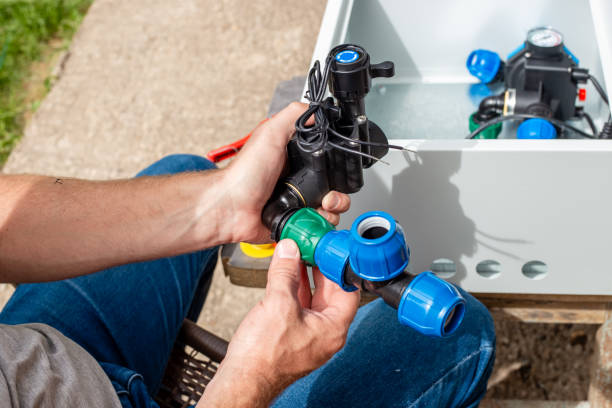
- Piping: HDPE is favored for water supply, gas distribution, and sewage systems due to its corrosion resistance.
- Agriculture: It is used for irrigation pipes, greenhouse covers, and mulch films.
- Consumer Products: Items such as toys, cutting boards, containers, and household goods rely on HDPE’s durability.
- Industrial: Chemical tanks, drums, and corrosion-resistant linings are often made from HDPE.
Each of these uses benefits from HDPE’s unique combination of strength, flexibility, and chemical resistance.
Benefits of Plastic HDPE
There are many reasons why manufacturers and consumers choose plastic HDPE:
- Firstly, HDPE offers excellent durability and strength, resisting cracking, impacts, and chemical damage.
- Secondly, it is highly eco-friendly because of its recyclability, helping reduce environmental impact.
- In addition, it is cost-effective, often more affordable than metal or alternative plastics.
- Furthermore, HDPE is safe for food and water contact, making it a reliable choice in those sectors.
- Finally, it is lightweight and versatile, which simplifies transport, installation, and fabrication.
Thanks to these benefits, HDPE continues to be a material of choice for a wide range of products.
Choosing the Right Plastic HDPE
When selecting HDPE for your project, you should keep several factors in mind:
- To begin with, consider the density and grade, since higher density materials offer more strength and rigidity.
- Also, additives such as UV stabilizers or colorants can improve performance or appearance depending on your needs.
- Additionally, the processing method—whether injection molding, extrusion, or blow molding—affects the final product shape and strength.
- Lastly, make sure to check relevant certifications like FDA approval or ISO standards for safety and quality assurance.
By carefully considering these factors, you can ensure that your HDPE product meets your specific requirements.
Plastic HDPE vs. Other Plastics: A Brief Comparison
To better understand HDPE’s advantages, here is a simple comparison with other common plastics:
| Property | HDPE | LDPE | PVC | PP |
|---|---|---|---|---|
| Density | 0.93–0.97 g/cm³ | 0.91–0.93 g/cm³ | 1.3–1.45 g/cm³ | 0.9–0.92 g/cm³ |
| Strength | High | Lower, more flexible | Medium | High stiffness |
| Chemical Resistance | Excellent | Good | Good | Good |
| Temperature Range | -40°C to 120°C | -50°C to 80°C | -15°C to 60°C | -20°C to 130°C |
| Typical Uses | Pipes, packaging, tanks | Bags, films, flexible tubing | Pipes, windows, siding | Automotive parts, containers |
This comparison highlights why HDPE is often preferred for applications demanding strength and chemical resistance.
Conclusion
In summary, plastic HDPE is a strong, versatile, and eco-friendly material suitable for a wide variety of uses. Its excellent mechanical and chemical properties, combined with recyclability and safety, make it a preferred choice across many industries. By understanding its properties and selecting the right grade and processing method, manufacturers and users can create products that last longer and perform better.
