
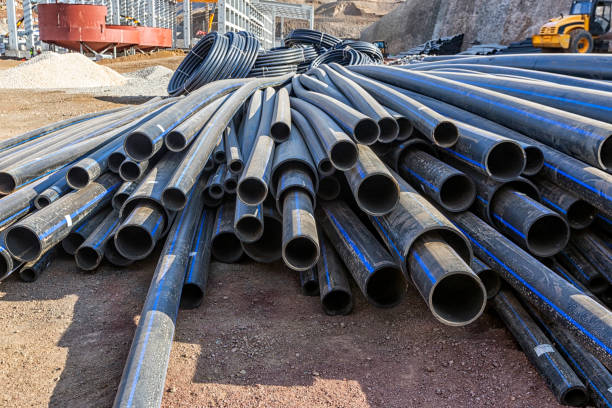
Introduction: The Strength Behind HDPE Plastic
High-Density Polyethylene (HDPE) stands out among plastics for its impressive combination of strength, durability, and versatility. But what gives HDPE its exceptional properties? Understanding the molecular and structural characteristics of HDPE helps explain why it performs so well in piping, packaging, and industrial applications.
This article dives into the structure of HDPE, highlights its key features, explores common uses, guides you in choosing the right grade, compares HDPE to other plastics, and explains why HDPE continues to be a preferred material worldwide.
FAQ: Common Questions About HDPE Structure
1. What is the molecular structure of HDPE?
HDPE consists of long, linear chains of polyethylene with minimal branching, resulting in a dense and tightly packed polymer.
2. How does the structure affect HDPE’s strength?
The linear chains pack closely, creating strong intermolecular forces that make HDPE rigid and durable.
3. What are typical applications of HDPE?
HDPE is widely used in pipes, containers, geomembranes, toys, and packaging films.
4. How is HDPE different from LDPE?
LDPE has more branching, making it less dense and more flexible, while HDPE’s minimal branching results in higher strength.
5. Can HDPE withstand extreme temperatures?
HDPE resists temperatures up to around 120°C (248°F), but prolonged exposure to high heat can cause deformation.
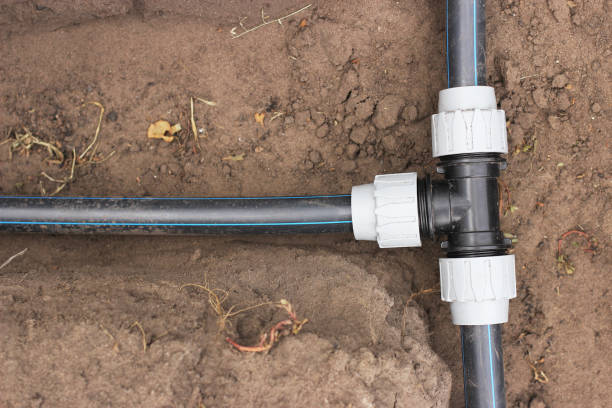
What Is HDPE Structure?
HDPE is a thermoplastic polymer made from the polymerization of ethylene monomers. Its structure features long, linear chains with very little branching. This linearity allows the chains to pack tightly, giving HDPE its high density, typically ranging from 0.93 to 0.97 g/cm³.
Because the polymer chains are densely packed, HDPE exhibits:
- High tensile strength
- High rigidity and stiffness
- Excellent chemical resistance
- Low permeability to gases and moisture
In contrast, plastics like Low-Density Polyethylene (LDPE) have many branches, preventing tight packing and resulting in softer, more flexible materials.
Key Characteristics Resulting from HDPE’s Structure
- Strength and Durability
HDPE’s compact molecular structure creates strong intermolecular forces, making it tough and impact-resistant. - Chemical Resistance
The dense packing prevents chemicals from penetrating easily, allowing HDPE to withstand acids, bases, and solvents. - Thermal Properties
HDPE has a melting point between 120°C and 130°C, suitable for many industrial processes. - Low Moisture Absorption
Its structure prevents water absorption, making it ideal for piping and packaging liquids. - Flexibility with Strength
While rigid, HDPE still offers enough flexibility to resist cracking under stress or bending.
Common Applications of HDPE Due to Its Structure
Because of these structural strengths, HDPE is used widely in:
- Piping Systems: Water, gas, and sewage pipes benefit from HDPE’s toughness and corrosion resistance.
- Containers and Bottles: Chemical drums and milk jugs use HDPE for durability and safety.
- Geomembranes: HDPE liners prevent leakage in landfills and ponds.
- Agricultural Films: Used for mulching and greenhouse covers due to UV resistance.
- Household Goods: Toys, cutting boards, and household containers rely on its durability.
Choosing the Right HDPE Grade for Your Needs
HDPE comes in various grades depending on molecular weight, density, and additives. When selecting HDPE material, consider:
- Density: Higher density means stronger, more rigid products.
- Molecular Weight: Affects toughness and impact resistance.
- Additives: UV stabilizers, antioxidants, or colorants modify properties.
- Processing Method: Extrusion, injection molding, or blow molding affect final use.
Choosing the correct grade ensures your product performs as expected under specific conditions.
HDPE vs. Other Plastics: How Structure Influences Performance
| Feature | HDPE | LDPE | PVC | PP (Polypropylene) |
|---|---|---|---|---|
| Molecular Structure | Linear, minimal branching | Highly branched | Contains chlorine atoms | Semi-crystalline with branching |
| Density | 0.93–0.97 g/cm³ | 0.91–0.93 g/cm³ | 1.3–1.45 g/cm³ | 0.9–0.92 g/cm³ |
| Strength | High tensile strength | Lower strength, more flexible | Medium strength | High stiffness and fatigue resistance |
| Chemical Resistance | Excellent | Good | Good, but sensitive to some solvents | Good |
| Temperature Range | Up to ~120°C | Up to ~80°C | Up to ~60°C | Up to ~130°C |
| Common Uses | Pipes, containers, geomembranes | Films, bags, flexible tubing | Pipes, windows, siding | Automotive parts, packaging |
Conclusion: The Strength Behind HDPE Lies in Its Structure
Understanding HDPE’s molecular structure reveals why it offers exceptional strength, durability, and resistance compared to other plastics. Its linear chains and tight packing give HDPE unique properties ideal for demanding applications from piping to packaging.
Choosing the right HDPE grade and understanding its strengths help manufacturers and users maximize performance and longevity. HDPE remains a top choice in many industries because of the strength that lies behind the plastic.