
Introduction
Choosing the right radiator valves is essential for efficient and reliable home heating. Among various materials available, brass radiator valves stand out as the best choice due to their durability, corrosion resistance, and excellent performance. This article explores why brass valves dominate the home heating market, their advantages, and how they enhance your heating system's overall effectiveness.
What Are Brass Radiator Valves?
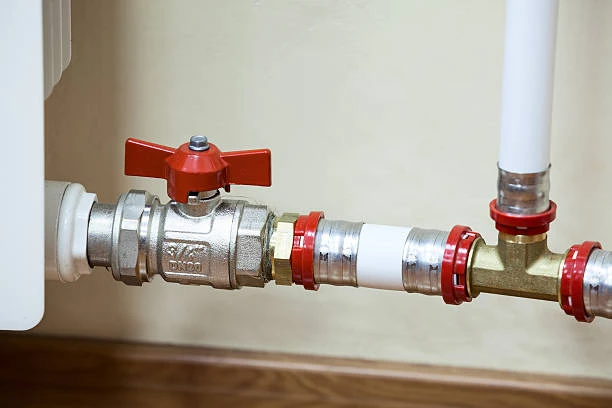
Brass radiator valves are fittings made primarily from brass alloy—an alloy of copper and zinc—that connect radiators to the heating pipes. These valves regulate the flow of hot water or steam, controlling the temperature and pressure inside the radiator. Brass offers a combination of mechanical strength and corrosion resistance that makes it ideal for plumbing and heating applications.
Advantages of Brass Radiator Valves
1. Exceptional Durability
Brass is a robust metal that withstands wear and tear over many years. Its strength helps resist cracking, deformation, and damage caused by thermal expansion and contraction in heating systems.
2. Corrosion Resistance
One of the biggest threats to radiator valves is corrosion from water and heat. Brass naturally resists corrosion and scaling, which means fewer leaks and longer valve life compared to other metals like iron or steel.
3. Excellent Thermal Conductivity
Brass efficiently conducts heat, helping valves respond quickly to temperature changes. This property supports better flow control and improves the heating system’s responsiveness.
4. Easy Installation and Maintenance
Brass valves usually come with standardized threading and sizes, making installation straightforward for plumbers and DIY enthusiasts. Their smooth surface also reduces buildup, lowering maintenance frequency.
5. Aesthetic Appeal
Brass has a classic, polished golden finish that adds elegance to heating fixtures, especially in traditional or vintage home interiors. Even in modern designs, brushed or matte brass valves provide a stylish upgrade.
Types of Brass Radiator Valves
There are several types of brass radiator valves, each serving different purposes:
- Manual Valves: Allow manual adjustment of water flow to control room temperature.
- Thermostatic Radiator Valves (TRVs): Automatically regulate flow based on room temperature, improving energy efficiency.
- Lockshield Valves: Used to balance the heating system by controlling water flow leaving the radiator.
- Angled and Straight Valves: Offer different installation options depending on pipe and radiator placement.
Choosing the right valve type enhances heating control and energy savings.
How Brass Radiator Valves Improve Home Heating Efficiency
Efficient heating depends not only on the boiler but also on how well heat distributes through radiators. Brass radiator valves help by:
- Preventing leaks that waste heat and water.
- Offering precise control to adjust temperature in each room.
- Supporting TRVs to reduce energy consumption by adjusting flow automatically.
- Maintaining consistent pressure and flow rates for balanced heating.
This leads to lower energy bills and improved comfort.
Comparing Brass Valves with Other Materials
| Feature | Brass Valves | Plastic Valves | Steel/Iron Valves |
|---|---|---|---|
| Durability | High | Moderate | Moderate to Low |
| Corrosion Resistance | Excellent | Poor to Moderate | Low |
| Thermal Conductivity | Excellent | Low | Moderate |
| Aesthetic Appeal | Classic gold finish | Often plain or white | Industrial look |
| Cost | Moderate | Low | Low |
| Maintenance | Low | Moderate | High |
Brass valves offer the best balance of strength, performance, and appearance, making them ideal for home heating.
Installation Tips for Brass Radiator Valves
- Use PTFE tape or joint compound on threaded connections to prevent leaks.
- Avoid overtightening to prevent damage.
- Ensure valves are compatible with pipe diameter and radiator fittings.
- Periodically check valves for leaks or corrosion, despite brass’s resistance.
- For TRVs, place sensors away from direct sunlight or drafts for accurate temperature reading.
Proper installation and maintenance extend valve lifespan and efficiency.
Conclusion
Brass radiator valves remain the top choice for home heating systems thanks to their durability, corrosion resistance, thermal conductivity, and elegant appearance. Whether upgrading your existing radiators or installing a new heating system, investing in high-quality brass valves ensures efficient heating, longer service life, and reduced maintenance costs. Choosing brass is not only practical but also adds a touch of style to your home.
Frequently Asked Questions (FAQ)
1. Are brass radiator valve compatible with all radiator types?
Yes, brass valves come in various sizes and fittings suitable for most radiator models.
2. How long do brass radiator valves typically last?
With proper care, they can last 15-20 years or more without significant issues.
3. Can I install brass valves myself?
If you have basic plumbing skills and the right tools, yes. Otherwise, hiring a professional plumber is recommended.
4. Do brass valves require special maintenance?
They require minimal maintenance, mainly regular checks for leaks and cleaning around the valve.
5. Are brass radiator valves more expensive than other types?
They are moderately priced but offer better long-term value due to durability and performance.