
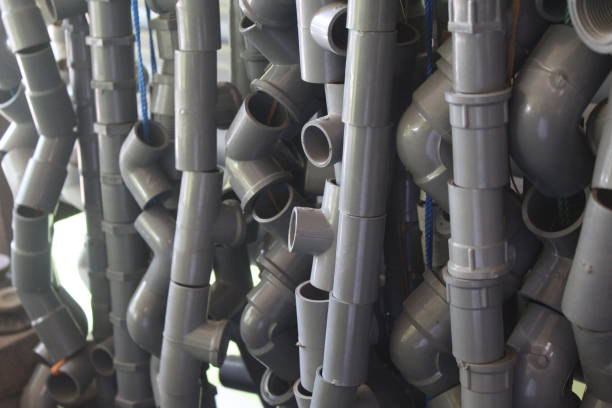
1. Introduction
High-Density Polyethylene (HDPE) compression fitting have become increasingly popular due to their ease of use, reliability, and versatility. In essence, these fittings provide a practical solution for connecting HDPE pipes without the need for specialized fusion equipment or complex procedures. Whether you are working in water supply, gas distribution, irrigation, or industrial piping, understanding the basics of HDPE compression fittings is crucial for ensuring a secure and long-lasting connection. This article covers everything from definitions and common questions to buying tips, installation advice, and comparisons with other fittings, helping you make informed decisions.
2. Frequently Asked Questions (FAQ)
Q1: What exactly is an HDPE compression fitting?
An HDPE compression fitting is a mechanical fitting that connects HDPE pipes by compressing a sealing ring or gasket around the pipe, creating a tight, leak-proof joint without welding.
Q2: Are compression fittings as strong as fusion fittings?
While fusion fittings create permanent joints, compression fittings offer very good strength and leak resistance, especially for smaller diameter pipes or temporary setups.
Q3: Can compression fittings be reused?
Yes, unlike fusion fittings, compression fittings can often be disassembled and reused, which is convenient for repairs or adjustments.
Q4: What materials are HDPE compression fittings made from?
They are commonly made from brass, stainless steel, or high-strength plastics, chosen for corrosion resistance and durability.
Q5: Are compression fittings suitable for gas pipelines?
Approved compression fittings meeting relevant standards are suitable for low-pressure gas pipelines, but local regulations should always be checked.
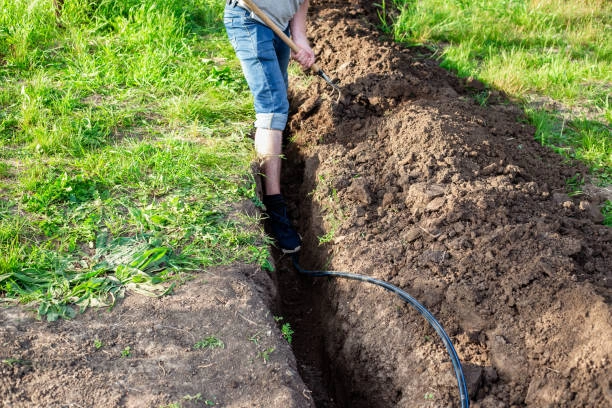
3. Basic Definitions and Features of HDPE Compression Fittings
Simply put, an HDPE compression fitting mechanically connects two sections of HDPE pipe or a pipe to another fitting by tightening a compression nut that squeezes a gasket or O-ring around the pipe’s surface. This mechanism ensures a secure seal without relying on heat or adhesives. Typically, these fittings consist of several parts: the fitting body, compression nut, sealing ring, and sometimes an internal pipe insert for support.
The key features of HDPE compression fittings include:
- Ease of Installation: No need for fusion equipment or skilled welders.
- Flexibility: Can be installed in tight spaces and on-site with basic tools.
- Reusability: Ability to disassemble and reuse the fittings if needed.
- Durability: Resistant to corrosion and mechanical stress.
- Compatibility: Works well with various pipe sizes and sometimes other materials.
4. Common Uses and Application Industries
HDPE compression fittings are versatile and widely used across numerous sectors:
- Water Supply Systems: They facilitate fast, reliable connections in residential and commercial plumbing.
- Gas Distribution Networks: When certified, compression fittings connect pipes safely in low-pressure gas systems.
- Agricultural Irrigation: Their flexibility and ease of installation make them ideal for expanding or modifying irrigation lines.
- Industrial Applications: Temporary or flexible piping arrangements in factories and chemical plants benefit from compression fittings.
- Maintenance and Repairs: Quick fixes without system shutdowns are often possible using compression fittings.
5. Buying Guide: What to Look for When Choosing HDPE Compression Fittings
When selecting compression fittings, consider these important factors:
- Material Quality: Brass fittings provide excellent strength and corrosion resistance; stainless steel offers higher chemical resistance, and engineered plastics can be lightweight yet durable.
- Size Compatibility: Ensure fittings match the exact pipe diameter for an effective seal.
- Pressure Rating: Check that fittings meet or exceed your system’s pressure requirements.
- Certification and Standards: Look for fittings certified to local and international standards such as ISO, ASTM, or relevant gas safety approvals.
- Connection Type: Choose fittings designed specifically for HDPE pipes and verify whether inserts are required for your pipe size.
- Supplier Reputation: Opt for trusted manufacturers or distributors with proven quality and reliable customer support.
6. Installation Considerations for HDPE Compression Fittings
Proper installation is critical for leak-free performance. Follow these steps and tips:
- Prepare Pipes Properly: Cut pipes squarely and remove burrs or rough edges to ensure sealing surfaces are smooth.
- Use Pipe Inserts if Needed: For larger diameters, inserts prevent pipe collapse under compression.
- Lubricate Seals When Recommended: Some manufacturers advise lubricating the O-rings or gaskets for easier assembly.
- Tighten Nuts Evenly: Use hand-tightening initially, followed by the specified torque with appropriate tools—avoid over-tightening to prevent damage.
- Check Alignment: Proper alignment between pipes and fittings reduces stress and improves seal quality.
- Test After Installation: Conduct pressure tests to detect leaks before system commissioning.
7. HDPE Compression Fittings vs Other Pipe Connection Methods
| Feature | HDPE Compression Fittings | HDPE Fusion Fittings | PVC Solvent Weld Fittings | Metal Threaded Fittings |
|---|---|---|---|---|
| Installation Equipment | Basic hand tools | Fusion machines and training | Solvent cement and primers | Wrenches and pipe threaders |
| Joint Strength | Very good, mechanical seal | Permanent, high strength | Strong but chemical dependent | Strong but may corrode over time |
| Reusability | Yes, can be disassembled | No, permanent joints | No | Sometimes |
| Installation Speed | Fast, ideal for repairs | Slower, requires skilled workers | Moderate | Moderate |
| Leak Risk | Low if installed properly | Very low | Moderate | Moderate to high if threads degrade |
| Suitable Applications | Small to medium pipes, repairs | Large diameter, permanent systems | Mostly rigid PVC pipe systems | Metal pipe systems |
While fusion fittings provide stronger, permanent joints, compression fittings excel in convenience, flexibility, and repairability, especially for smaller diameters or temporary setups.
8. Conclusion
To sum up, HDPE compression fittings offer an accessible, reliable, and versatile solution for connecting HDPE pipes across various applications. Their ease of installation, durability, and the ability to create strong, leak-proof joints without special equipment make them a preferred choice for many projects, especially in water, gas, and irrigation systems. By carefully selecting quality fittings, following proper installation steps, and understanding their strengths compared to other connection methods, you can ensure your piping systems remain safe and efficient over time.