

High-Density Polyethylene (HDPE) pipes have become increasingly popular in plumbing, irrigation, and industrial piping systems due to their durability, flexibility, and corrosion resistance. However, the success of any HDPE piping system depends largely on how well the fittings are selected and installed. Secure connections not only prevent leaks but also ensure long-term reliability and safety. This guide shares expert tips on choosing and installing HDPE pipe fittings to achieve leak-free, durable connections for your project.
Frequently Asked Questions (FAQ)
1. What types of fittings are commonly used with HDPE pipes?
Common fittings include elbows, tees, couplers, reducers, end caps, and flange adapters designed to connect or redirect HDPE pipes.
2. How do I ensure leak-free connections in HDPE piping?
Using proper fusion techniques (butt fusion or electrofusion), selecting compatible fittings, and following manufacturer installation guidelines are critical.
3. Can HDPE fittings be reused or replaced easily?
Fusion-welded fittings are permanent, so replacement requires cutting and re-fusing. Mechanical fittings can be reused or replaced more easily.
4. What tools do I need for HDPE pipe fitting installation?
Tools vary by connection type: fusion machines for welding, compression tools for mechanical fittings, and cutters to prepare pipe ends.
5. Are HDPE fittings suitable for all types of fluids?
HDPE fittings resist most chemicals and are suitable for potable water, gas, and industrial fluids. Always verify compatibility with the fluid type.
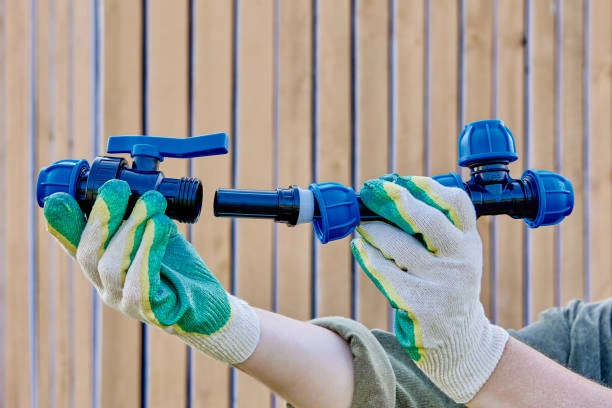
Understanding HDPE Pipe Fittings and Their Importance
HDPE pipe fittings are components designed to join, redirect, or terminate HDPE pipes. Their design ensures a seamless and strong connection that can withstand pressure, temperature changes, and environmental stresses. The fittings come in multiple forms such as elbows to change direction, tees for branching, couplers for joining straight runs, reducers to adapt pipe sizes, and caps to seal pipe ends.
The importance of using the right fittings cannot be overstated. Poor fitting selection or installation leads to leaks, pipe damage, and system failure. Conversely, correctly installed fittings extend the lifespan of the piping system, minimize maintenance costs, and optimize flow efficiency.
Common Uses and Industries for HDPE Fittings
HDPE pipe fittings find extensive use across various sectors:
- Water Supply and Distribution: HDPE piping is widely used in municipal water systems, potable water distribution, and irrigation networks because of its corrosion resistance and leak-tight joints.
- Agriculture and Irrigation: Fittings help create complex irrigation layouts for fields, greenhouses, and drip systems, offering flexibility and reliability.
- Gas Distribution: Certified HDPE fittings ensure safe transport of natural gas and LPG with resistance to gas permeation.
- Industrial Applications: Chemical plants and manufacturing facilities use HDPE fittings for transporting chemicals and industrial fluids safely.
- Mining and Construction: Durable fittings withstand harsh conditions for slurry pipelines, drainage, and dewatering systems.
Buying Guide: How to Choose HDPE Pipe Fittings
Choosing the right HDPE fittings involves several considerations to ensure compatibility and performance:
- Material Grade:
Choose fittings made from PE100 for high pressure and durability. PE80 is suitable for lower-pressure applications. - Fitting Type:
Identify the fitting type required — elbows, tees, couplers, reducers, or caps — based on your pipeline layout. - Connection Method:
Decide between fusion (butt fusion or electrofusion) and mechanical fittings. Fusion provides stronger, permanent joints, while mechanical fittings allow flexibility for repairs. - Pressure Rating:
Match the fitting’s pressure rating (PN rating) with the operational pressure of your system. - Certification and Standards:
Look for compliance with ISO, ASTM, NSF, or local regulatory standards to guarantee safety and quality. - Size Compatibility:
Ensure the fitting matches the pipe diameter and SDR to prevent leaks and misfits. - Color Coding:
For specialized applications (like potable water or gas), use fittings with appropriate color codes—typically blue for water, yellow for gas.
Installation Tips for Secure HDPE Connections
Proper installation is key to achieving leak-free HDPE pipe systems. Follow these expert tips:
- Prepare Pipe Ends: Cut pipes squarely and remove any burrs or oxidation layers to ensure smooth, clean joints.
- Use Proper Equipment: Use certified fusion machines calibrated for temperature and pressure settings matching the fitting and pipe specifications.
- Align Correctly: Precise alignment prevents stress and deformation of joints. Use alignment tools when necessary.
- Follow Fusion Procedure: Maintain the correct heating time, pressure, and cooling period according to manufacturer instructions to create a strong fusion bond.
- Test the System: Conduct pressure and leak tests before backfilling or putting the system into service.
- Handle Mechanical Fittings Carefully: For compression or threaded fittings, avoid over-tightening which can cause cracks or leaks.
HDPE Pipe Fittings vs Other Pipe Materials
| Feature | HDPE Fittings | PVC Fittings | Metal Fittings |
|---|---|---|---|
| Flexibility | Excellent | Moderate | Low |
| Corrosion Resistance | Excellent | Moderate | Poor to Moderate |
| Joint Strength | High (fusion) | Moderate (glue) | High (threaded/welded) |
| Installation Ease | Moderate (requires fusion tools) | Easy (solvent weld) | Difficult (welding/threading) |
| Lifespan | 50+ years | 30–50 years | 20–40 years |
| Environmental Impact | Recyclable | Partially recyclable | Low recyclability |
| Weight | Lightweight | Lightweight | Heavy |
Conclusion
Selecting and installing the right HDPE Pipe Connection is crucial for building a secure, efficient, and durable piping system. By understanding different fitting types, material grades, and proper installation techniques, you can ensure your system remains leak-free and performs optimally over time. Investing in quality fittings and following expert installation tips will save you costs and headaches in the long run, making HDPE an excellent choice for modern piping needs.