
Introduction
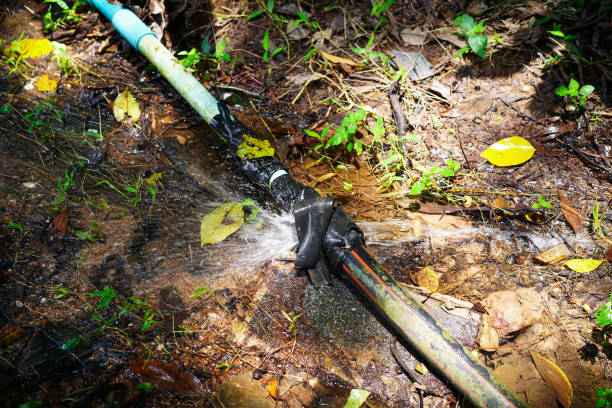
High-Density Polyethylene (HDPE) pipe fittings play a vital role in modern piping systems, connecting and managing HDPE pipes to form secure, durable networks. Thanks to their exceptional chemical resistance, flexibility, and longevity, HDPE fittings find widespread use in water supply, gas distribution, irrigation, sewage, and industrial sectors. This article provides a comprehensive overview of HDPE pipe fittings, covering basic definitions, common types, applications, purchasing advice, installation tips, and comparisons with other pipe fittings. Understanding these aspects helps you choose and handle HDPE fittings effectively for your projects.
Frequently Asked Questions (FAQ)
- What types of HDPE pipe fittings are commonly used?
Common types include elbows, tees, couplers, reducers, end caps, flanges, saddle clamps, and adapters. Each serves specific purposes such as changing pipe direction or branching. - How do HDPE fittings connect to pipes?
HDPE fittings typically connect through fusion methods like electrofusion or butt fusion, creating strong, leak-proof joints. Compression fittings are also available for smaller diameters. - Are HDPE fittings suitable for high-pressure applications?
Yes, fittings made from PE100 grade HDPE are designed to withstand high pressure and are widely used in gas and water pipelines. - What factors should I consider when selecting HDPE fittings?
Consider material grade (PE80 vs PE100), pressure rating, connection method, certification standards, and compatibility with your pipes. - Can HDPE fittings be installed without specialized equipment?
While some compression fittings can be installed without fusion equipment, most reliable connections require proper fusion machines and trained technicians.
Basic Definitions and Characteristics of HDPE Pipe Fittings
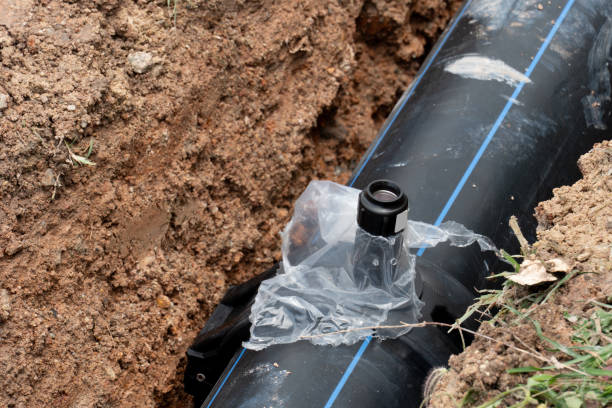
HDPE pipe fittings are components manufactured from high-density polyethylene material designed to connect HDPE pipes. Their primary functions include changing pipeline direction, branching, reducing pipe size, or terminating the pipeline.
Key characteristics of HDPE fittings:
- Chemical Resistance: HDPE resists a wide range of chemicals, making fittings ideal for corrosive environments.
- Flexibility: Fittings accommodate ground movement and vibrations without cracking.
- Lightweight: Compared to metal fittings, HDPE fittings are easy to handle and install.
- Durability: Designed for a service life exceeding 50 years under proper conditions.
- Leak-Free Joints: Fusion welding ensures permanent, leak-proof connections.
- Environmental Friendliness: HDPE is recyclable and contributes to sustainable piping solutions.
Common Applications and Industries
HDPE pipe fittings are found across various industries, including:
- Water Supply and Distribution: Municipal and rural water networks rely on HDPE fittings for secure connections and resistance to contamination.
- Natural Gas and LPG Distribution: The flexibility and pressure resistance make HDPE fittings ideal for underground gas pipelines.
- Agricultural Irrigation: HDPE fittings enable flexible layouts and robust pipelines in irrigation systems.
- Sewage and Drainage: Corrosion resistance and joint reliability suit wastewater management applications.
- Industrial Chemical Transport: HDPE fittings safely handle aggressive chemicals in industrial plants.
- Mining and Marine Pipelines: HDPE's abrasion resistance and flexibility are valuable in harsh conditions.
Buying Guide: What to Look for in HDPE Fittings
Selecting the right HDPE fitting requires attention to:
- Material Grade: PE100 fittings offer higher pressure resistance and durability compared to PE80.
- Color Coding: Colors may indicate specific uses—yellow for gas, black for water. Confirm suitability before purchase.
- Certifications: Choose fittings certified by recognized standards like ISO, ASTM, or local regulatory bodies to guarantee safety and performance.
- Connection Type Compatibility: Match fittings to your pipe joining method—electrofusion, butt fusion, compression, or socket fusion.
- Size and Pressure Rating: Ensure the fitting matches pipe diameter and system pressure requirements.
- Manufacturer Reputation: Buy from established suppliers with proven product quality and customer service.
Installation Considerations for HDPE Fittings
Proper installation is critical to the performance of HDPE piping systems. Follow these guidelines:
- Use Proper Equipment: Fusion joints require specialized electrofusion or butt fusion machines operated by trained technicians.
- Clean Surfaces: Remove dirt, grease, and moisture from pipe and fitting surfaces before joining.
- Ensure Correct Alignment: Misaligned pipes can cause stress and joint failure. Use clamps or alignment tools as needed.
- Follow Manufacturer Instructions: Adhere strictly to heating times, pressure requirements, and cooling durations specified by the fitting manufacturer.
- Inspect Welds: Visually inspect fusion joints for uniformity and test system pressure before commissioning.
- Safety Precautions: Follow safety protocols when handling fusion equipment and hot components.
HDPE Pipe Fittings vs. Other Pipe Materials
| Feature | HDPE Fittings | PVC Fittings | Metal Fittings (Steel/Copper) |
|---|---|---|---|
| Corrosion Resistance | Excellent, resists chemicals | Good, but less flexible | Susceptible to rust and corrosion |
| Flexibility | High, accommodates ground shifts | Rigid | Rigid, limited flexibility |
| Installation Ease | Requires fusion or compression | Solvent cement or mechanical | Welding or threaded connections |
| Weight | Lightweight | Lightweight | Heavy |
| Durability | Long-lasting (50+ years) | Moderate lifespan | High strength, prone to corrosion |
| Leak Risk | Low when fused properly | Moderate | Can leak if joints corrode |
| Cost | Moderate | Generally lower | Usually higher |
| Environmental Impact | Recyclable, eco-friendly | Less recyclable | Mining and production impact |
HDPE fittings offer advantages in corrosion resistance, flexibility, and environmental sustainability compared to PVC and metal options, making them a preferred choice for modern piping.
Conclusion
HDPE pipe fittings provide a reliable, durable, and flexible solution for numerous piping applications. Their excellent resistance to chemicals and environmental stress, combined with long service life and leak-proof joints, make them ideal for water, gas, irrigation, and industrial systems. By understanding the common types, choosing quality materials, and following proper installation procedures, you can ensure efficient and safe piping networks. Use this overview as a foundation for selecting and working with HDPE fittings that meet your specific project needs.