
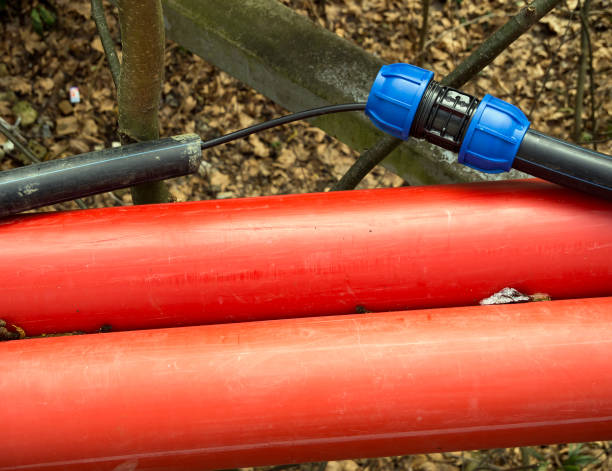
Introduction: Why HDPE Is the Ideal Water Pipe
In modern water supply systems, durability, safety, and efficiency are essential. HDPE (High-Density Polyethylene) pipe has emerged as one of the most trusted materials for transporting potable water across residential, commercial, and municipal networks. It offers unmatched flexibility, corrosion resistance, and long-term performance. This article provides a complete overview of HDPE pipe for water supply, including its definition, key benefits, applications, and installation considerations.
FAQ – Common Questions About HDPE Pipe for Water Supply
1. Is HDPE pipe safe for drinking water?
Yes, HDPE pipe is non-toxic and approved by international standards for potable water transport.
2. How long do HDPE water pipes last?
When installed correctly, HDPE pipes can last over 50 years under normal operating conditions.
3. Can HDPE pipe withstand freezing temperatures?
Yes, HDPE's flexibility allows it to expand and contract, reducing the risk of cracking in cold climates.
4. Is HDPE pipe suitable for underground water systems?
Absolutely. HDPE pipe resists ground movement, corrosion, and chemical damage, making it perfect for buried use.
5. What sizes are available for HDPE water pipes?
They range from small diameters (20mm) to large sizes exceeding 1000mm, depending on the project.
HDPE Pipe for Water Supply: Definition and Features
HDPE pipe for water supply refers to high-density polyethylene tubing used to carry potable water. It is manufactured from PE100 or PE80 grade resins and follows standards like ISO 4427 or ASTM D3035. Here are the key features:
- Flexible yet strong: It can bend without breaking, making it easy to install even in difficult terrain.
- Corrosion-resistant: It does not rust or corrode like metal pipes.
- Non-toxic and safe: It does not leach harmful substances into the water.
- Lightweight: Easy to transport and install without heavy machinery.
- Fusion weldable: Creates leak-free joints through heat fusion or electrofusion.
- UV-stabilized options: Suitable for above-ground applications when properly rated.

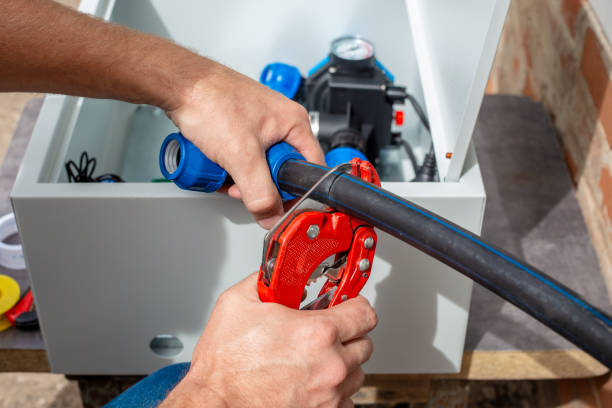
Typical Applications and Industries
HDPE pipe is widely used in various water supply systems due to its versatility:
1. Municipal Water Supply
Cities and towns use HDPE pipes to distribute treated drinking water to homes and commercial buildings.
2. Rural and Agricultural Water Distribution
In remote areas, HDPE pipe's durability and ease of installation make it ideal for transporting water from wells or reservoirs.
3. Housing Developments
Contractors prefer HDPE for underground service connections due to its long lifespan and resistance to soil chemicals.
4. Emergency and Temporary Water Supply
HDPE's flexibility makes it suitable for rapid deployment during disaster relief or construction projects.
Buying Guide: What to Look For
When purchasing HDPE pipe for water supply, consider the following factors:
1. Material Grade
Choose pipes made from PE100 for high-pressure water supply. PE80 is suitable for medium-pressure uses.
2. Color and Marking
Blue-striped or all-blue HDPE pipe indicates water-use classification. Clear labeling ensures proper identification.
3. Pressure Rating (PN)
Select the correct PN (Pressure Nominal) rating depending on the operating pressure. PN6 to PN20 options are common.
4. Certifications
Look for standards like ISO 4427, EN 12201, NSF, or local approvals to ensure safe water transport.
5. Size Range and Lengths
Ensure compatibility with your system. Commonly supplied in coils (50m–200m) or straight lengths (6m–12m).
6. Manufacturer Reputation
Work with certified and experienced manufacturers who provide traceability and test documentation.
Installation Guidelines
Correct installation is essential for a reliable water system. Keep these tips in mind:
- Trenching: Dig a stable trench with proper bedding to avoid pipe deflection.
- Fusion Welding: Use butt fusion or electrofusion for leak-proof joints. Follow manufacturer temperature/time guidelines.
- Fitting Types: Use compatible HDPE fittings—elbows, tees, and couplings—for system connections.
- Testing: Always pressure-test the system after installation to confirm joint integrity.
- Expansion Allowance: Account for thermal expansion, especially in above-ground pipelines.
HDPE Pipe vs Other Water Supply Materials
| Feature | HDPE Pipe | PVC Pipe | Steel Pipe | Copper Pipe |
|---|---|---|---|---|
| Corrosion Resistance | Excellent | Good | Poor | Moderate |
| Flexibility | High | Low | Rigid | Moderate |
| Lifespan | 50+ years | 30–50 years | 20–30 years | 50+ years |
| Joint Integrity | Seamless (fusion-welded) | Solvent cement | Threaded or welded | Soldered |
| Installation Difficulty | Easy, no heavy tools needed | Moderate | Hard | Moderate |
| Water Safety | Non-toxic | Safe | May corrode | Safe |
| Cost | Moderate | Low | High | High |
HDPE pipe strikes a balance between safety, durability, and cost, making it the top choice for long-term water systems.
Conclusion: HDPE Pipe – A Smart Choice for Water Distribution
HDPE pipe for water supply combines strength, flexibility, and environmental safety. Whether used in city pipelines, rural systems, or emergency situations, HDPE offers consistent performance and longevity. Thanks to its ease of installation and resistance to corrosion, it reduces maintenance costs and extends infrastructure lifespans. If you're planning a new water system or upgrading an old one, HDPE should be at the top of your list.