
Introduction
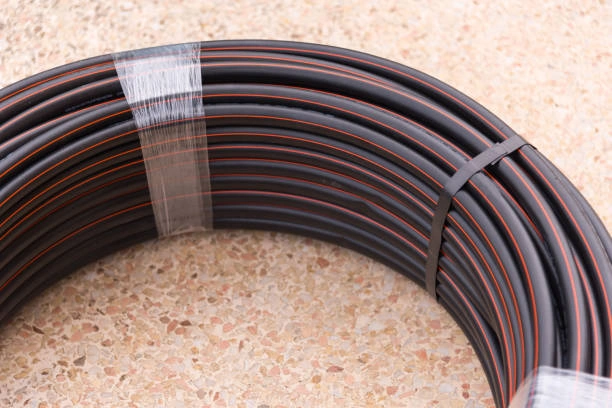
HDPE (High-Density Polyethylene) pipes have become a preferred choice in many industries due to their durability, flexibility, and resistance to corrosion and chemicals. However, the performance and lifespan of HDPE piping systems largely depend on proper installation. Without correct procedures, even the best pipes can fail prematurely. Therefore, understanding and following key HDPE pipe installation tips ensures reliable, leak-free pipelines that serve their purpose effectively for decades. This article covers essential guidelines, common challenges, and best practices for installing HDPE pipes successfully.
Frequently Asked Questions (FAQ)
1. What are the main methods used for joining HDPE pipes?
Butt fusion and electrofusion are the two primary methods, both creating strong, permanent joints when applied correctly.
2. Can HDPE pipes be installed in extreme weather conditions?
Yes, but installers should adjust fusion times and handle pipes carefully to avoid brittleness in cold or overheating in hot weather.
3. How important is trench preparation for HDPE pipe installation?
Trench preparation is crucial; proper bedding and backfill prevent pipe damage and maintain alignment under soil pressure.
4. What tools are essential for HDPE pipe installation?
Pipe cutters, fusion machines, alignment clamps, and cleaning tools are necessary for precise and effective installation.
5. How long can HDPE pipes last when installed properly?
With correct installation and maintenance, HDPE pipes can last over 50 years in various applications.

Definition and Key Features of HDPE Pipe Installation
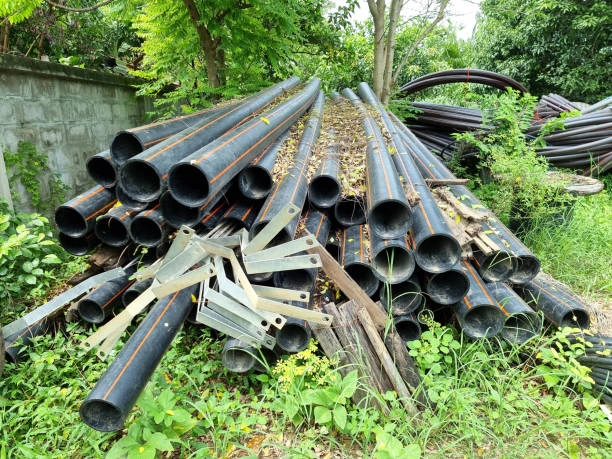
HDPE pipe installation involves preparing, joining, laying, and securing high-density polyethylene pipes to create an efficient piping system. The installation process requires specialized equipment and skilled personnel to ensure tight, leak-proof connections and proper pipe support.
Key features of HDPE pipe installation include:
- Fusion Jointing Methods: Butt fusion joins pipe ends by heating and pressing them together, while electrofusion uses fittings with embedded coils that heat when electrified, bonding pipes securely.
- Flexibility Handling: HDPE pipes can bend to a certain radius, allowing installation around obstacles without excessive joints.
- Trench and Bedding Requirements: Proper trench depth, width, and bedding materials support the pipe and protect it from soil movement and loads.
- Pressure Testing: After installation, systems undergo pressure tests to verify joint integrity and leak resistance.
Common Applications and Industries
HDPE pipe installation applies widely across sectors:
- Water Supply Systems: Delivering potable water safely in urban and rural areas.
- Agricultural Irrigation: Efficient water distribution in fields through drip or sprinkler systems.
- Gas Distribution Networks: Safe transport of natural gas with flexible and corrosion-resistant pipes.
- Sewage and Wastewater: Leak-proof piping for sanitary drainage and stormwater systems.
- Industrial Piping: Handling chemicals, slurries, and process fluids in manufacturing plants.
- Mining Operations: Transporting abrasive materials and dewatering.
These industries benefit from HDPE’s durability and chemical resistance, but successful installation is essential to realize these advantages fully.
Buying Guide: What to Consider for HDPE Pipe Installation
Choosing the right materials and tools impacts installation success. Keep these tips in mind:
- Select Quality Pipes and Fittings: Use PE100-grade HDPE pipes certified by international standards to ensure strength and longevity.
- Use Proper Fusion Equipment: Invest in reliable butt fusion or electrofusion machines with accurate temperature control.
- Check Pipe Dimensions and Wall Thickness: Match pipe size and SDR (Standard Dimension Ratio) to project requirements for pressure and flow.
- Ensure Availability of Spare Parts and Accessories: Stock necessary fittings, clamps, and cleaning tools for uninterrupted installation.
- Consider Training for Installation Teams: Skilled operators reduce errors and improve joint quality, extending system life.
- Plan for Environmental Conditions: Adapt fusion parameters and handling procedures to temperature and site conditions.
Installation Best Practices
Following these best practices will help avoid common issues:
- Trench Preparation: Excavate trenches with smooth bottoms, removing rocks and debris. Lay a compacted bedding layer of sand or fine gravel to support pipes evenly.
- Pipe Handling: Avoid dragging pipes on rough surfaces or dropping them. Use pipe rollers or padded supports during installation.
- Joint Preparation and Cleaning: Before fusion, clean pipe ends with appropriate tools to remove dirt, moisture, and grease.
- Fusion Process: Align pipe ends precisely. Follow manufacturer guidelines for heating, fusion pressure, and cooling times to achieve strong bonds.
- Pipe Placement: Lay pipes gently into trenches without excessive bending. Maintain proper slope to facilitate flow.
- Backfilling: Use selected fill materials free of sharp objects. Backfill in layers, compacting carefully to prevent pipe deformation.
- Pressure Testing: Conduct hydrostatic or pneumatic tests after installation to confirm system integrity.
- Documentation and Inspection: Record installation parameters and inspect joints visually and with non-destructive testing if needed.
HDPE Pipe Installation vs Other Pipe Types
Here’s a comparison of HDPE pipe installation with PVC and metal pipes:
| Feature | HDPE Pipe Installation | PVC Pipe Installation | Metal Pipe Installation |
|---|---|---|---|
| Flexibility | High, allows bending around obstacles | Low, rigid and brittle | Moderate, some bending possible |
| Jointing Methods | Butt fusion, electrofusion | Solvent cement, mechanical joints | Threaded, welded, flanged joints |
| Corrosion Resistance | Excellent | Good | Poor to moderate |
| Installation Speed | Faster due to fewer joints | Moderate | Slower, requires welding or threading |
| Weight | Lightweight | Lightweight | Heavy |
| Durability | 50+ years | 30-40 years | 20-30 years |
| Handling Complexity | Requires fusion equipment and training | Basic hand tools suffice | Skilled labor and heavy equipment |
HDPE installation offers flexibility, durability, and corrosion resistance advantages but requires specialized fusion equipment and trained personnel.
Conclusion
In summary, HDPE pipe installation demands careful planning, quality materials, proper tools, and skilled execution. Following proven installation tips such as trench preparation, correct fusion techniques, careful pipe handling, and pressure testing helps achieve long-lasting, leak-free piping systems. Additionally, understanding how HDPE installation compares with PVC and metal pipes can inform project decisions.
By investing time and effort in proper installation, you ensure that the many benefits of HDPE piping—including corrosion resistance, flexibility, and longevity—are fully realized, delivering value for decades in water, gas, agriculture, and industrial applications.