
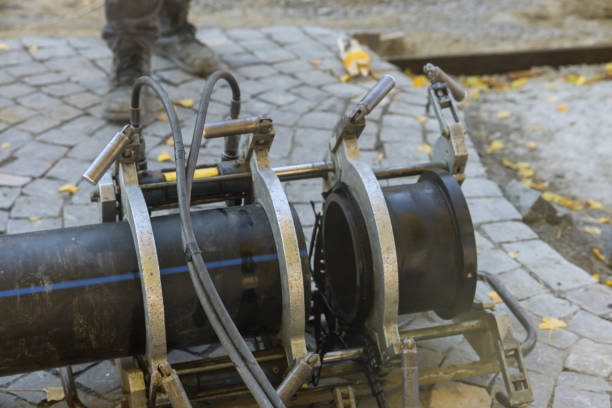
Introduction: Mastering the Welding of HDPE Pipes
Welding HDPE (High-Density Polyethylene) pipes is a crucial step in building strong, leak-free piping systems. Whether you're installing water supply lines, industrial conduits, or gas pipelines, knowing the proper welding methods and tools ensures long-lasting performance. This guide covers all you need to know about HDPE pipe welding, from techniques and equipment to safety and best practices.
FAQ – Frequently Asked Questions About HDPE Pipe Welding
1. What is HDPE pipe welding?
HDPE pipe welding is a process that joins two HDPE pipes using heat and pressure to create a seamless, durable connection.
2. What are the common welding methods for HDPE pipes?
The most popular methods include butt fusion, electrofusion, socket fusion, and extrusion welding.
3. Do I need special tools for HDPE welding?
Yes. Tools such as butt fusion machines, electrofusion processors, and trimming tools are essential for precise and safe welding.
4. How strong are HDPE welded joints?
Properly welded HDPE joints are as strong as the pipe itself, providing leak-proof and long-lasting connections.
5. Can I weld HDPE pipes myself?
You can, but training and the right equipment are critical. For critical systems, hiring professionals is recommended.
Understanding HDPE Pipe Welding: What It Means
HDPE pipe welding refers to the process of joining two HDPE pipes by applying heat and controlled pressure. Unlike glued or clamped joints, welded HDPE connections form a homogeneous joint that becomes part of the pipe itself. This makes the system highly reliable, especially in high-pressure or underground applications.
HDPE welding techniques ensure:
- Leak-free connections
- High mechanical strength
- Chemical and corrosion resistance
- Long service life (50+ years)
Common HDPE Welding Methods
Let’s explore the main welding methods used in HDPE piping systems:
1. Butt Fusion Welding
This is the most widely used method. It involves:
- Heating the ends of two pipes until soft
- Pressing them together to form a joint
- Allowing the joint to cool and solidify
Advantages:
- Strong, permanent joints
- Suitable for large-diameter pipes
- No need for fittings
Tools Needed:
- Butt fusion machine
- Pipe clamps
- Heating plate
- Trimming tool
2. Electrofusion Welding
In this method, special fittings with built-in resistive wires are used. When electricity passes through, the wire heats up and fuses the pipe to the fitting.
Advantages:
- Ideal for tight or buried spaces
- Minimal equipment required
- Clean and efficient
Tools Needed:
- Electrofusion processor
- Electrofusion fittings
- Pipe scraper
- Alignment clamps
3. Socket Fusion Welding
This method uses a heating tool with sockets that heat the external surface of the pipe and the internal surface of the fitting.
Advantages:
- Great for smaller diameters
- Precise and repeatable
- Low equipment cost
Tools Needed:
- Socket fusion welder
- Fitting sockets
- Pipe cutter
- Cleaning tools
4. Extrusion Welding
Used for repairs and sheet-to-pipe connections, extrusion welding uses a filler rod and hot air gun to fuse HDPE material.
Advantages:
- Useful in custom fabrication
- Flexible for patching and joining
Tools Needed:
- Extrusion welder
- Hot air gun
- Welding rod
- Protective gear
Applications of HDPE Welding in Various Industries
HDPE welding is trusted across many sectors:
- Water supply and irrigation: Butt fusion and electrofusion ensure leak-proof water transport.
- Gas distribution: Welding methods provide secure, high-pressure gas pipelines.
- Wastewater systems: Welded HDPE handles chemicals and pressure in sewer networks.
- Mining and industrial: HDPE withstands abrasive materials and harsh environments.
- Telecommunication and electrical: Welded conduits protect underground cables.
Tools and Equipment for HDPE Welding
To complete an HDPE welding job properly, you need the right tools. Here’s a basic breakdown by method:
| Welding Method | Essential Tools |
|---|---|
| Butt Fusion | Fusion machine, heating plate, trimming tool, clamps |
| Electrofusion | Electrofusion processor, scraper, clamps, compatible fittings |
| Socket Fusion | Socket welder, pipe cutter, alignment guide |
| Extrusion Welding | Extrusion gun, hot air gun, filler rod, protective clothing |
When purchasing or renting tools, always ensure they comply with industry standards and come from reputable brands.
Installation Best Practices and Safety Tips
To get the best results from HDPE welding, follow these installation tips:
- Clean surfaces thoroughly before welding to remove dirt and oxidation.
- Use proper alignment to prevent joint stress or future leaks.
- Apply correct temperature and pressure for the specific pipe size and method.
- Let the joint cool naturally—avoid forced cooling.
- Document the welds if required (especially in gas or municipal projects).
- Wear safety gear, including gloves and eye protection, especially when using hot tools.
Also, make sure all welders are trained and certified, especially for gas or pressure systems.
HDPE Welding vs Other Pipe Joining Methods
Here’s how HDPE welding compares to alternative joining techniques:
| Feature | HDPE Welding | PVC Gluing | Steel Welding | Mechanical Coupling |
|---|---|---|---|---|
| Leak Resistance | Excellent | Moderate | Excellent | Good |
| Strength of Joint | Very High | Moderate | High | Medium |
| Equipment Cost | Medium to High | Low | High | Low |
| Training Requirement | High | Low | High | Low |
| Field Usability | Excellent (HDPE flexible) | Limited | Difficult | Excellent |
| Environmental Safety | High (non-toxic) | Low (solvents used) | Moderate | High |
Summary: Why Proper Welding Is Key for HDPE Piping
Welding HDPE pipes ensures strong, reliable, and leak-free piping systems across multiple industries. With the right welding method and tools, you can join pipes efficiently while maintaining system integrity for decades. Whether you're managing potable water, industrial fluids, or underground cables, mastering HDPE pipe welding is essential for safety and success.