
Introduction
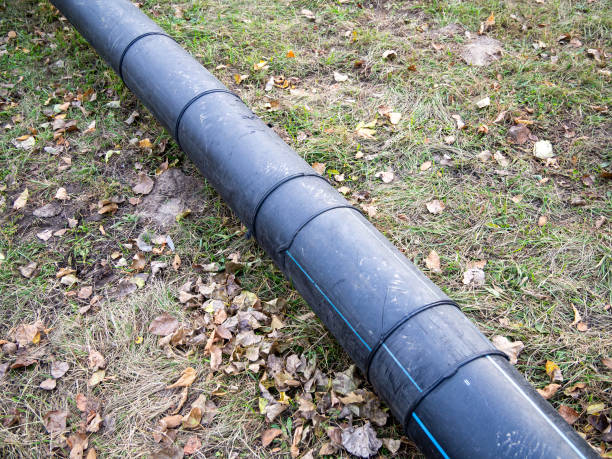
High-quality HDPE pipe fittings play a crucial role in modern piping systems worldwide. Leading Chinese manufacturers produce these fittings with precision, ensuring durability, safety, and compliance with international standards. Their products suit various applications including water supply, gas distribution, irrigation, and industrial fluid transport. This article covers what makes Chinese HDPE pipe fittings trusted globally, their features, applications, how to choose the right manufacturer, installation tips, and how they compare to fittings made from other materials.
Frequently Asked Questions (FAQ)
1. What are HDPE pipe fittings?
HDPE pipe fittings are connectors made from high-density polyethylene used to join, redirect, or adapt polyethylene pipes in piping systems.
2. Why buy HDPE fittings from China?
Chinese manufacturers offer competitive pricing, advanced technology, large production capacity, and internationally certified products.
3. What types of HDPE fittings do Chinese manufacturers produce?
Common types include compression fittings, electrofusion fittings, butt fusion fittings, reducers, elbows, tees, and flange adapters.
4. Are these fittings safe for potable water?
Yes, many Chinese fittings meet certifications like NSF and WRAS for potable water use.
5. How can I verify the quality of a Chinese HDPE fittings manufacturer?
Check for ISO certifications, factory audits, product testing reports, and customer reviews.

Definition and Features of China HDPE Pipe Fittings Factory
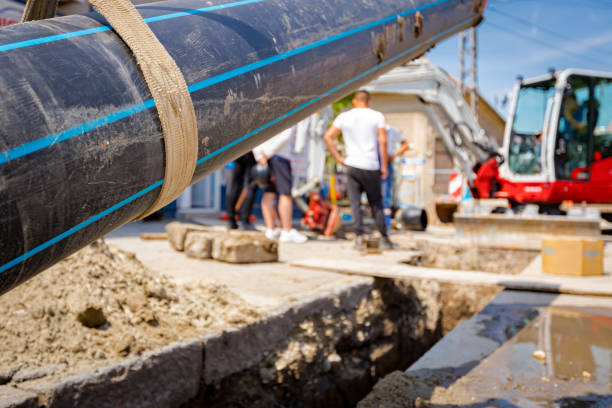
A China HDPE pipe fittings factory specializes in producing components made from high-density polyethylene resin. These fittings connect PE pipes in various systems with methods such as compression, electrofusion, or butt fusion.
Key features include:
- High-grade Materials: Use of PE100 or PE80 resins for superior strength and durability.
- Advanced Production: Automated machinery ensures consistent quality and precision molding.
- Comprehensive Product Range: Full catalogues including all common fitting types and sizes.
- Strict Quality Control: Material inspection, pressure testing, dimensional verification, and packaging standards.
- Customization: OEM and ODM capabilities for tailored fittings and private labeling.
- Global Export Experience: Ability to comply with international shipping and regulatory requirements.
These factors ensure fittings meet demanding specifications and perform reliably in diverse environments.
Common Applications and Industries
Chinese HDPE pipe fittings serve many industries due to their versatility and durability.
Water Supply
Municipal and residential water systems use HDPE fittings for leak-proof, corrosion-resistant joints that preserve water quality.
Gas Distribution
Certified HDPE fittings provide safe connections in underground gas pipelines, often using electrofusion joints.
Agriculture and Irrigation
Farmers rely on these fittings for flexible, UV-resistant irrigation systems that withstand exposure and chemicals.
Industrial Fluid Transport
Factories and mining sites use HDPE fittings for chemical, slurry, and waste water lines thanks to their chemical resistance.
Sewage and Drainage
HDPE fittings resist abrasion and chemicals, ideal for sewer and stormwater piping.
Buying Guide: How to Choose the Right Factory
When selecting a China HDPE pipe fittings factory, consider:
- Material Quality: Ensure the factory uses certified PE100 or PE80 resin.
- Product Range: Choose a supplier offering compression, electrofusion, and butt fusion fittings.
- Certifications: Verify compliance with ISO 4427, ASTM, WRAS, NSF, or other relevant standards.
- Manufacturing Capacity: Confirm the ability to meet your order size and deadlines.
- Customization Options: Look for OEM/ODM services for custom designs or packaging.
- Quality Assurance: Check their testing procedures and third-party certifications.
- Customer Service: Assess communication responsiveness and technical support capabilities.
A careful selection minimizes risks and ensures product performance.
Installation Tips for HDPE Pipe Fittings
Proper installation guarantees system longevity and leak-free performance.
- Cut pipe ends cleanly and squarely; remove burrs.
- Use recommended fusion or compression methods following manufacturer guidelines.
- Avoid bending pipes near fittings to reduce stress.
- Pressure-test the system before commissioning.
- Protect buried pipes with sand bedding and warning tape to prevent damage.
Following these steps reduces failures and maintenance costs.
China HDPE Pipe Fittings Factory vs Other Pipe Material Factories
| Feature | China HDPE Pipe Fittings Factory | PVC Pipe Fittings Factory | Metal Pipe Fittings Factory |
|---|---|---|---|
| Corrosion Resistance | Excellent | Moderate | Poor |
| Flexibility | High | Low | Very Low |
| Weight | Lightweight | Lightweight | Heavy |
| Installation Method | Fusion, Compression | Solvent welding | Threading, Welding |
| Lifespan | 50+ years | 20-30 years | 10-20 years |
| Cost | Moderate | Low | High |
| Environmental Impact | Recyclable, energy-efficient | Less recyclable | Mining impact |
Chinese HDPE pipe fittings factories stand out for material durability, production technology, and environmental benefits.
Conclusion
Top China HDPE pipe fittings factories combine advanced manufacturing, strict quality controls, and comprehensive product ranges to serve global markets. Their fittings offer durability, safety, and performance across water, gas, agricultural, and industrial sectors. Careful factory selection based on material, certifications, capacity, and service ensures successful projects. When properly installed and maintained, HDPE pipe fittings from reputable Chinese factories provide reliable, cost-effective solutions that last decades.