
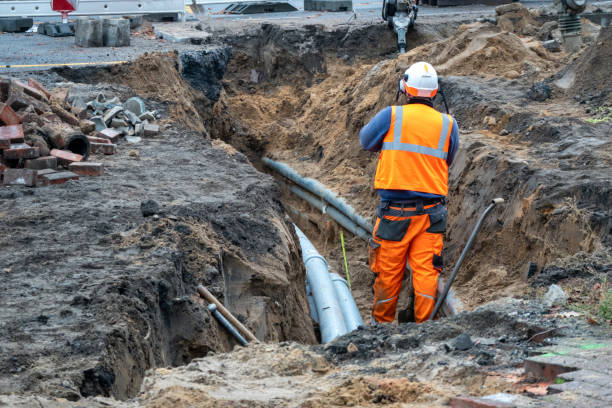
High-Density Polyethylene (HDPE) pipes have revolutionized infrastructure with their exceptional lifespan, making them a preferred choice for water, gas, and industrial applications. But what makes HDPE pipes so durable, and how long can they truly last? This guide unpacks their longevity, resistance mechanisms, and real-world performance.


1. The Lifespan of HDPE Pipes: A 50+ Year Promise
HDPE pipes are engineered to endure 50–100 years under normal conditions, far outlasting traditional materials like concrete, steel, or PVC. This longevity stems from their chemical structure: HDPE’s high molecular weight and tight polymer chains resist degradation, ensuring structural integrity over decades.
2. Key Factors Influencing Durability
Several elements contribute to HDPE pipes’ extended lifespan:
- UV Resistance: Black HDPE pipes, pigmented with carbon black, block harmful UV rays, preventing surface cracking.
- Chemical Inertness: HDPE resists corrosion from acids, alkalis, and salts, making it ideal for aggressive environments (e.g., mining, chemical plants).
- Impact Resistance: Flexible enough to withstand ground movement, earthquakes, or accidental impacts without fracturing.
- Temperature Tolerance: Operates efficiently from -40°C to 60°C, retaining flexibility in cold climates and structural strength in heat.
3. Comparative Analysis: HDPE vs. Traditional Pipes
| Material | Lifespan (Years) | Corrosion Resistance | Maintenance Costs |
|---|---|---|---|
| HDPE | 50–100 | High | Low |
| Steel | 25–50 | Low (requires coating) | High |
| Concrete | 30–70 | Moderate (prone to cracking) | Moderate |
| PVC | 40–60 | Moderate (susceptible to UV) | Moderate |
HDPE’s superiority lies in its minimal maintenance needs and resistance to common failure modes.
4. Environmental Stress Cracking Resistance (ESCR)
A critical durability factor, ESCR measures a pipe’s ability to withstand slow crack growth under stress. HDPE’s high ESCR rating (typically >100 hours) ensures it resists long-term cracking from:
- Soil pressure
- Point loads (e.g., vehicle traffic)
- Chemical exposure
This trait is why HDPE pipes dominate buried infrastructure projects.
5. Real-World Case Studies
- Munich, Germany: A 1980s-installed HDPE sewer system remains fully operational, with zero leaks reported after 40+ years.
- Alaska Pipeline: HDPE liners in sub-zero temperatures have maintained flexibility and integrity since the 1990s.
- Australian Desalination Plants: HDPE pipes resist saltwater corrosion, outlasting steel counterparts by 30 years.
6. Maintenance and Longevity Enhancement
While HDPE pipes require little intervention, proactive measures extend their lifespan:
- Inspect Joints: Ensure fusion welds are defect-free during installation.
- Avoid Sharp Bends: Use fittings for tight turns to prevent stress points.
- Monitor Pressure: Sudden surges can shorten lifespan; install pressure regulators.
7. End-of-Life Considerations
HDPE pipes are 100% recyclable, reducing environmental impact. At their lifespan’s end, they can be:
- Ground into pellets for new pipes.
- Repurposed into non-pressure applications (e.g., landscape drainage).
- Recycled into consumer goods (e.g., plastic lumber).
8. Future-Proofing Durability
Advancements in HDPE technology promise even greater longevity:
- Nano-Additives: Enhance UV and chemical resistance.
- Higher Density Grades: PE112 pipes offer 20% better pressure ratings than PE100.
- Smart Sensors: Embedded sensors detect leaks early, preventing premature failure.
FAQ
Q1: Can HDPE pipe be used for drinking water?
A1: Yes, they are NSF/ANSI 61-certified for potable water, with no leaching of harmful chemicals.
Q2: Do HDPE pipes degrade in sunlight?
A2: Unpigmented HDPE may degrade in 6–12 months, but black (carbon-black-pigmented) pipes last indefinitely outdoors.
Q3: What is the maximum pressure HDPE pipe can handle?
A3: PE100-grade pipes withstand up to 25 bar (362 PSI), with custom solutions for higher pressures.
Q4: How do HDPE pipe compare to PEX in home plumbing?
A4: HDPE is more rigid and durable for underground use, while PEX is flexible for indoor installations.
Q5: Can HDPE pipe be repaired if damaged?
A5: Yes, electrofusion or mechanical fittings allow quick, leak-proof repairs without replacing the entire pipe.
In conclusion, HDPE pipes’ unmatched durability, low maintenance, and recyclability make them a sustainable choice for infrastructure projects. As industries prioritize resilience, these pipes will continue to define the future of piping systems.