
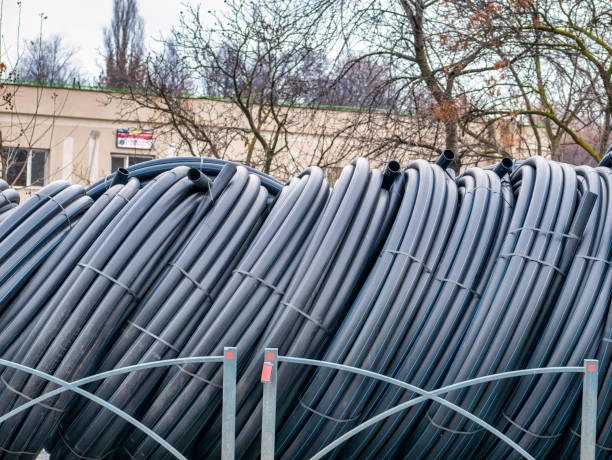
PE pipe couplings are essential components used to connect polyethylene (PE) pipes in a variety of applications, including water supply, irrigation, and industrial systems. These couplings provide a secure, leak-free connection while maintaining the flexibility and durability of the PE piping system. In this guide, you'll learn about the types of PE pipe couplings, their features, common uses, selection tips, and proper installation practices.
What Is a PE Pipe Coupling?
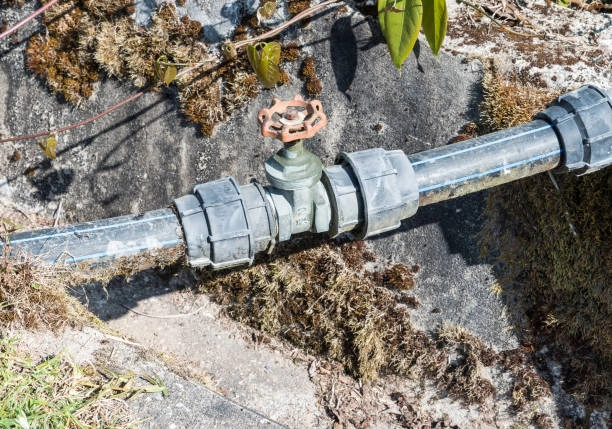
A PE pipe coupling is a connector that joins two sections of PE pipe, either of the same diameter or different sizes. Couplings can be either permanent or removable, and they are designed to withstand pressure, temperature variations, and mechanical stress.
There are several main types of PE couplings:
- Electrofusion Coupling: Uses an embedded electrical coil to weld the pipe and fitting together.
- Butt Fusion Coupling: The pipe ends are heated and joined by melting the surfaces.
- Compression Coupling: Uses mechanical pressure to create a tight seal without heat.
- Threaded Coupling: Common in low-pressure applications where temporary or flexible connections are needed.
Each type has its specific applications, benefits, and requirements.

Key Features and Benefits
PE pipe couplings offer several advantages over traditional pipe joining methods:
- Leak-Free Seals: Especially with fusion methods, the coupling becomes a part of the pipe.
- Corrosion Resistance: PE materials are not affected by rust, chemicals, or scale buildup.
- Flexibility: Suitable for systems exposed to movement, vibration, or temperature fluctuations.
- Lightweight: Easy to handle and transport, reducing labor time and cost.
- Long Lifespan: Properly installed PE couplings can last 50 years or more.
Thanks to these properties, PE couplings are widely accepted across industries.
Applications of PE Pipe Couplings
PE couplings are used in various sectors and for diverse purposes, such as:
- Potable Water Distribution: Safe and hygienic connections in municipal or residential networks.
- Agricultural Irrigation: Quick and secure joins in sprinkler or drip systems.
- Mining and Industrial Fluids: Durable performance under harsh and chemically aggressive environments.
- Gas Pipelines: Special-grade PE couplings are used for gas distribution.
- Sewage and Drainage Systems: Excellent resistance to corrosion and chemical exposure.
The versatility of PE couplings makes them suitable for both above-ground and buried installations.
Choosing the Right PE Pipe Coupling
When selecting a PE pipe coupling, consider the following factors to ensure compatibility and performance:
1. Pipe Size and Pressure Rating
Match the coupling to the pipe's outer diameter and system pressure requirements. Using mismatched parts can lead to leakage or system failure.
2. Jointing Method
Choose the coupling type based on your project:
- Fusion (electrofusion or butt fusion) for permanent, high-strength bonds.
- Compression or threaded for temporary or easily detachable systems.
3. Material Certification
Ensure the coupling complies with standards like ISO 4427 or ASTM D2513, especially for drinking water or gas applications.
4. Environmental Conditions
For outdoor use, select UV-resistant couplings. If chemicals are present, check the chemical compatibility of the PE material.
5. Ease of Installation
In fieldwork or urgent repair scenarios, mechanical or compression couplings are easier and quicker to install.
Installation Tips for PE Couplings
To achieve a secure and long-lasting joint, follow these installation guidelines:
- Clean the Pipe Ends: Dirt, grease, or debris can compromise the seal.
- Measure and Mark: Insert the pipe to the correct depth in the coupling.
- Align Properly: Misaligned pipes can stress the joint and cause failure.
- Use Appropriate Tools: Fusion requires certified equipment with temperature control.
- Allow Proper Cooling Time: After welding, allow the joint to cool without disturbance.
- Test the Joint: Pressure test the system to verify the integrity of the installation.
Correct handling and preparation are essential, especially for fusion couplings, which create a permanent connection.
PE Coupling vs. Metal and PVC Coupling (Comparison)
| Feature | PE Coupling | PVC Coupling | Metal Coupling |
|---|---|---|---|
| Corrosion Resistant | Yes | Moderate | No (can rust/corrode) |
| Flexibility | High | Low | Very low |
| Weight | Very light | Light | Heavy |
| Installation Ease | High | Moderate | Low |
| Lifespan | 50+ years | 25–40 years | 20–30 years |
| Chemical Resistance | High | Moderate | Varies |
| Cost | Moderate | Low | High |
From this comparison, it is clear that PE couplings are a practical and modern choice for many piping systems.
Conclusion
PE pipe couplings are indispensable for creating secure, durable, and flexible connections in PE piping systems. Whether you're working on a municipal water line, an agricultural field, or an industrial plant, choosing the right type of coupling and installing it correctly can make a big difference in system performance and longevity.
By understanding the types, uses, and installation practices of PE couplings, professionals and DIY users alike can build plumbing systems that are both efficient and long-lasting. Always prioritize quality-certified products and follow proper installation protocols to ensure leak-free operation for decades to come.