
Introduction
Polyethylene (PE) pipe fittings are essential components in piping systems, enabling secure and reliable connections between PE pipes. These fittings come in various types and materials designed to suit different applications, pressures, and environmental conditions. Whether you are working in water supply, gas distribution, irrigation, or industrial piping, understanding the different types of PE pipe fittings and their compatibility is crucial.
This guide will walk you through the main types of PE fittings, common applications, and how to ensure compatibility for long-lasting and efficient systems.
FAQ – Common Questions About PE Pipe Fittings
1. What are PE pipe fittings?
PE pipe fittings connect polyethylene pipes and ensure leak-proof joints in piping systems.
2. What types of PE fittings are commonly used?
Compression fittings, electrofusion fittings, butt fusion fittings, and mechanical fittings are the most common.
3. Are PE fittings compatible with all PE pipes?
Compatibility depends on pipe size, SDR rating, and material grade; always check manufacturer specifications.
4. Can PE fittings be used for gas and water?
Yes, many PE fittings are certified for potable water and gas distribution when standards are met.
5. How do I choose the right PE fitting for my project?
Consider pressure rating, pipe diameter, application environment, and required certification.
Types of PE Pipe Fittings
1. Compression Fittings
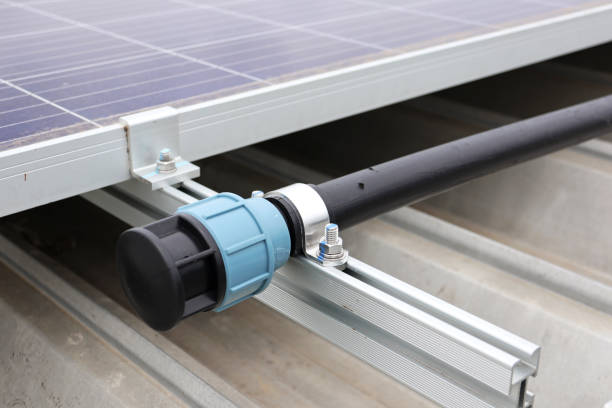
These fittings use a mechanical seal by compressing a gasket or ring around the pipe. They are easy to install and remove, making them ideal for smaller diameter pipes and repair work.
2. Electrofusion Fittings
Electrofusion fittings contain built-in heating coils. When connected to an electric power source, they fuse the fitting to the pipe, creating a strong and permanent joint. Widely used in gas and water systems, they offer excellent leak resistance.
3. Butt Fusion Fittings
Butt fusion welding melts the ends of two pipes or a pipe and fitting and presses them together to form a continuous, strong joint. This method is preferred for larger diameter pipes and high-pressure applications.
4. Mechanical Fittings
Mechanical fittings include clamps, flanges, and threaded adapters. They allow for easy disassembly and maintenance but require careful installation and periodic inspection.
Common Applications of PE Pipe Fittings
- Water Supply and Distribution: Ensures safe and durable connections for potable water networks.
- Natural Gas Distribution: Electrofusion and butt fusion fittings provide secure gas-tight seals.
- Irrigation Systems: Flexible fittings support agricultural water management.
- Industrial Piping: Handles chemicals and fluids in manufacturing plants.
- Mining and Slurry Pipelines: Fittings withstand abrasive materials and harsh environments.
Ensuring Compatibility
To achieve optimal performance, consider the following compatibility factors:
- Material Grade: Ensure fittings and pipes use compatible PE grades such as PE80 or PE100.
- Pressure Rating: Match fittings’ pressure rating with pipe specifications.
- Size and SDR: Fittings must fit the pipe diameter and SDR (Standard Dimension Ratio).
- Standards Compliance: Look for certifications like ASTM, ISO, or local standards for quality assurance.
Installation Best Practices
- Clean pipe ends and fittings before joining.
- Follow manufacturer instructions strictly for fusion or compression techniques.
- Avoid bending pipes near fittings beyond recommended radii.
- Perform pressure testing to verify leak-free joints.
- Schedule routine inspections, especially for mechanical fittings.
PE Pipe Fittings vs Other Materials
| Feature | PE Fittings | PVC Fittings | Metal Fittings |
|---|---|---|---|
| Corrosion Resistance | Excellent | Moderate | Poor |
| Installation Ease | Moderate to Easy | Easy | Difficult |
| Flexibility | High | Low | Low |
| Durability | Very High | Moderate | High |
| Leak Resistance | Excellent (fusion joints) | Moderate | Variable |
Conclusion
Selecting the right PE pipe fittings is critical for building durable, efficient, and leak-proof piping systems. Understanding the types, applications, and compatibility helps professionals and DIYers make informed choices that enhance system longevity and performance.
By choosing quality fittings and following best installation practices, you can ensure your piping project succeeds with minimal maintenance and maximum reliability.