
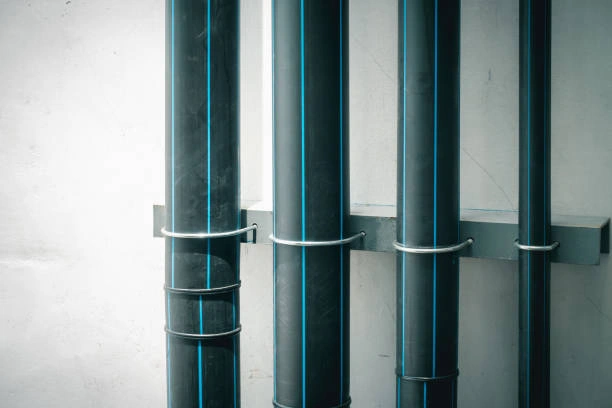
When it comes to piping solutions that are cost-effective, durable, and easy to work with, PE plastic pipe stands out. Known for being lightweight and flexible, this pipe type is widely used in water supply, agriculture, gas distribution, and drainage systems. It combines ease of handling with excellent resistance to pressure, corrosion, and environmental factors, making it a reliable option for both residential and industrial installations.
This guide will explore what PE plastic pipe is, why it's popular, how to choose the right type, and how it compares to other materials.
Frequently Asked Questions (FAQ)
1. What is PE plastic pipe used for?
It is commonly used for water supply, irrigation, gas transport, and cable protection.
2. Can PE plastic pipe be used underground?
Yes. It is ideal for underground installation due to its flexibility and resistance to chemicals and soil movement.
3. Is PE pipe safe for drinking water?
Yes, if the pipe is certified for potable water use.
4. How long does PE plastic pipe last?
It can last over 50 years with proper installation and usage.
5. What makes PE pipe easy to install?
Its lightweight design, flexible structure, and compatibility with various connection methods reduce labor and equipment needs.

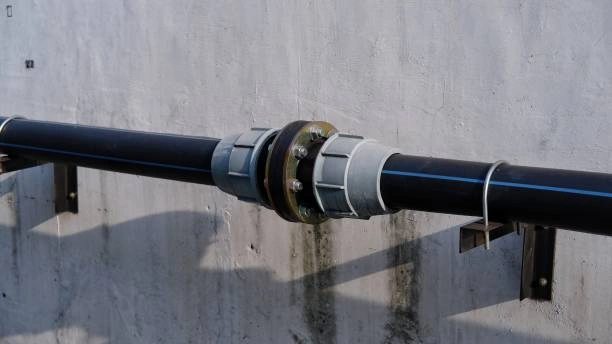
What Is PE Plastic Pipe?
PE (Polyethylene) plastic pipe is made from thermoplastic polymer resin. It is available in various grades, such as HDPE (high-density), MDPE (medium-density), and LDPE (low-density), depending on the application requirements.
Key Characteristics:
- Lightweight: Easy to transport and handle
- Flexible: Can bend around obstacles without breaking
- Non-corrosive: Resists rust and chemical degradation
- Smooth inner surface: Reduces flow friction
- Wide temperature range: Performs well in hot and cold climates
- Non-toxic (if certified): Safe for drinking water systems
These properties make PE pipe an attractive choice for both professionals and DIY users.
Common Applications and Industries
PE plastic pipes serve in a wide range of sectors thanks to their reliability and versatility:
- Residential Water Supply: Interior plumbing, garden irrigation
- Agriculture: Drip and sprinkler irrigation, water conveyance
- Municipal Systems: Water mains, stormwater drainage, sewer systems
- Gas Distribution: Medium and low-pressure gas supply networks
- Industrial Use: Chemical pipelines, cooling water systems
- Electrical and Telecom: Conduit for cables and fiber optics
The pipe's ability to withstand pressure and environmental stress without corrosion makes it a go-to choice for both surface and buried applications.
How to Choose the Right PE Plastic Pipe
Choosing the appropriate PE pipe involves understanding system requirements and environmental factors:
1. Type of PE Material
- HDPE: Rigid, strong, and suitable for high-pressure applications
- MDPE: More flexible, ideal for gas distribution
- LDPE: Soft, used in light-pressure or temporary systems
2. Size and Wall Thickness
Match pipe diameter and wall thickness to system pressure and flow rate.
3. Certifications
Check for approvals from water safety or gas regulation authorities, especially for drinking water or fuel systems.
4. Color Coding
- Black: UV-resistant, for general-purpose use
- Blue stripe: Water supply
- Yellow stripe: Gas distribution
- Orange or red: Electrical or telecom conduits
5. Coil or Straight Lengths
For small installations or tight areas, coiled pipes offer convenience. Straight pipes are better for long, straight runs.
Installation Guidelines
Installing PE plastic pipe is straightforward but still requires attention to detail:
- Cutting: Use sharp tools to create clean, even edges
- Jointing Methods: Compression fittings, butt fusion, or electrofusion
- Bending: Respect the minimum bending radius to avoid kinks
- Support: Provide proper anchoring and bedding for underground pipes
- Leak Testing: Perform pressure testing after installation
- Temperature Considerations: Allow expansion gaps in above-ground installations
Because of its flexibility and light weight, PE pipe reduces the need for heavy equipment and minimizes labor time.
Comparison: PE Plastic Pipe vs Other Pipe Materials
| Feature | PE Plastic Pipe | PVC Pipe | Steel Pipe | Copper Pipe |
|---|---|---|---|---|
| Weight | Very Light | Light | Heavy | Heavy |
| Flexibility | Excellent | Poor | Very Poor | Poor |
| UV Resistance | Good (Black PE) | Poor (unless treated) | Moderate | Poor |
| Corrosion Resistance | Excellent | Excellent | Poor | Poor |
| Installation Ease | Easy | Moderate | Difficult | Moderate |
| Cost | Low to Moderate | Low | High | High |
| Lifespan | 50+ Years | 25–40 Years | 20–30 Years | 20–50 Years |
Compared to other materials, PE plastic pipe offers an excellent balance of affordability, performance, and ease of use—especially for projects where weight, corrosion resistance, and flexibility matter.
Conclusion
PE plastic pipe combines strength, lightweight structure, and ease of installation to deliver an ideal solution for a wide range of applications. Whether you’re working on an irrigation system, water supply, or electrical conduit, this material adapts easily to different environments and technical needs.
Thanks to its longevity, chemical resistance, and minimal maintenance requirements, PE pipe continues to be a smart and sustainable choice for modern piping systems.