
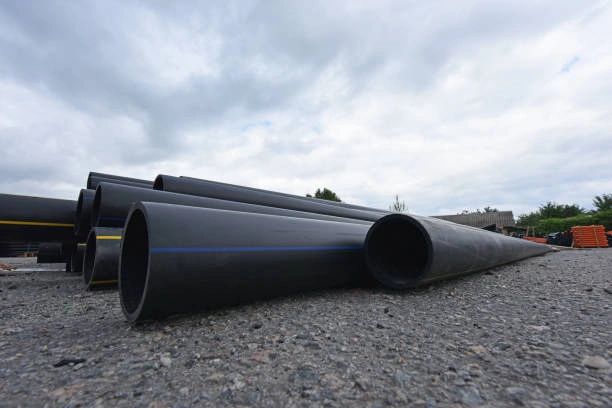
PE (polyethylene) plumbing pipes have gained global popularity for being lightweight, corrosion-resistant, and highly cost-effective. Whether you're installing a plumbing system in a residential building, commercial space, or industrial facility, PE pipes offer a combination of durability, flexibility, and affordability that makes them an excellent choice. This article explores why PE pipes are a smart long-term solution for plumbing and how they compare to other materials in terms of performance and value.
What Makes PE Pipes Durable?
Durability is one of the most defining features of PE plumbing pipes. Here's why:
- Corrosion Resistance: PE does not rust or corrode like metal pipes, making it ideal for underground and wet environments.
- Flexibility: PE pipes can withstand minor ground movement and pressure variations without cracking.
- Long Lifespan: With proper installation and usage, PE pipes can last over 50 years.
- Low Maintenance: Once installed, they require little to no maintenance compared to alternatives.
These qualities make PE pipes a reliable choice for both cold and hot water plumbing systems.


Cost Benefits of PE Plumbing Pipe
In addition to being durable, PE pipes are remarkably cost-effective over their lifecycle:
- Lower Material Costs: PE is cheaper to manufacture and transport due to its light weight.
- Reduced Installation Time: Their flexibility allows for quicker installation, even in complex layouts.
- Energy Efficient: Smooth internal surfaces reduce friction, leading to lower pumping costs.
- Minimal Repair Costs: The material's toughness reduces the likelihood of leaks and cracks.
Over time, the reduced maintenance and energy savings can significantly lower operational costs.
Common Applications of PE Pipes in Plumbing
PE plumbing pipes are versatile and suitable for a wide range of applications:
- Residential water supply lines
- Commercial building plumbing
- Agricultural irrigation systems
- Underground and exposed water systems
- Rainwater collection and distribution
Their versatility and performance in various environmental conditions make them a go-to option across industries.
Choosing the Right PE Pipe for Your Needs
When selecting PE pipes for plumbing, consider these key factors:
- Pipe Size & Pressure Rating: Ensure compatibility with your system's pressure requirements.
- Material Grade: PE63, PE80, and PE100 offer increasing levels of strength and durability.
- Certifications: Look for compliance with standards like ISO 4427 or ASTM D3035.
- UV Resistance: For outdoor applications, UV-stabilized PE pipes are recommended.
Working with a trusted supplier can help you select the right specifications for your specific use case.
Installation Best Practices
While PE pipes are easy to install, following best practices ensures optimal performance:
- Use proper fittings and couplings to prevent leaks.
- Avoid sharp bends to reduce stress on the material.
- Secure pipes properly to prevent movement.
- Pressure test the system before regular operation.
Proper planning and execution will maximize the pipe's lifespan and efficiency.
PE Pipes vs. Other Plumbin Materials
| Feature | PE Pipes | PVC Pipes | Copper Pipes | Galvanized Steel |
|---|---|---|---|---|
| Corrosion Resistant | Yes | Yes | No | No |
| Flexibility | High | Moderate | Low | Very Low |
| Installation Ease | Easy | Easy | Moderate | Difficult |
| Lifespan | 50+ years | 25–40 years | 40–70 years | 20–50 years |
| Cost Effectiveness | High | High | Medium | Low |
As shown above, PE pipes offer a balanced mix of durability, ease of use, and affordability compared to traditional materials.
Conclusion
Durable and cost-effective, PE plumbing pipes are a smart investment for both residential and commercial plumbing systems. Their resilience, low maintenance, and versatility across applications make them a future-proof solution for water distribution. By choosing the right type of PE pipe and installing it correctly, you can build a plumbing infrastructure that performs reliably for decades.