

Introduction
High-Density Polyethylene (HDPE) pipes are now among the most widely used piping solutions worldwide, thanks to their excellent durability, corrosion resistance, and cost-effectiveness. From municipal water supply systems to large-scale industrial projects, HDPE pipes deliver reliable performance in challenging environments. This article explores the main benefits of HDPE pipes, their common uses, how to choose the right type, and how they compare to other piping materials.
Frequently Asked Questions (FAQ)
1. What are HDPE pipe made of?
They are made from high-density polyethylene, a thermoplastic polymer known for strength, flexibility, and chemical resistance.
2. Are HDPE pipes safe for drinking water?
Yes, as long as they meet certifications such as NSF or WRAS, they are safe for potable water.
3. How long do HDPE pipes last?
They can last over 50 years under proper installation and operating conditions.
4. Can HDPE pipe handle high pressure?
Yes, especially PE100-rated pipes, which have excellent pressure resistance.
5. Are HDPE pipes environmentally friendly?
Yes, they are recyclable and have a low carbon footprint compared to many other materials.

Definition and Key Features of HDPE Pipe
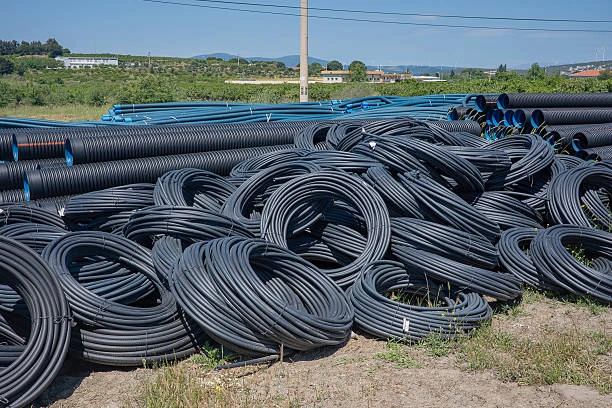
HDPE pipes are cylindrical tubes made from high-density polyethylene, designed for transporting fluids such as water, gas, and chemicals. They are known for their balance of strength and flexibility, making them suitable for underground and above-ground applications.
Key features include:
- High impact strength – Can withstand external pressure and shocks without cracking.
- Excellent corrosion resistance – Resistant to acids, alkalis, and salts.
- Flexible yet strong – Can bend to accommodate terrain without joint failure.
- Lightweight – Easy to transport and install, reducing labor costs.
- Leak-proof joints – When installed with proper fittings or fusion techniques.
- Long service life – Often exceeds 50 years in normal operating conditions.
Common Uses and Application Industries
HDPE pipes are used in a wide variety of industries due to their adaptability:
- Municipal water supply – For delivering clean drinking water to cities and rural areas.
- Agricultural irrigation – For drip, sprinkler, and flood irrigation systems.
- Industrial fluid transport – For chemicals, oils, and wastewater.
- Mining – For slurry pipelines and dewatering.
- Gas distribution – For natural gas and LPG transport.
- Sewage systems – For wastewater drainage and treatment facilities.
- Marine applications – For seawater intake and discharge.
Buying Guide for HDPE Pipe
When choosing HDPE pipes, consider:
- Material grade – PE80 for medium-duty use, PE100 for high-pressure and heavy-duty systems.
- Diameter and wall thickness – Select according to the flow rate and pressure requirements.
- Pressure rating (PN) – Make sure it matches your system’s pressure.
- Color coding – Blue for water, yellow for gas, black for general use.
- Certification – Check for international standards like ISO 4427 or ASTM D3035.
- Supplier reliability – Choose trusted manufacturers for consistent quality.
Installation Tips
Proper installation ensures maximum lifespan:
- Inspect pipes before use – Check for cracks or deformities.
- Follow manufacturer’s fusion guidelines – Butt fusion or electrofusion is common for leak-free joints.
- Avoid over-bending – Follow the recommended bend radius.
- Provide proper support – Prevent sagging in above-ground installations.
- Pressure test – Always check the system before full operation.
HDPE Pipes vs Other Pipe Materials
| Feature | HDPE Pipes | PVC Pipes | Steel Pipes |
|---|---|---|---|
| Weight | Very light | Light | Heavy |
| Corrosion resistance | Excellent | Good | Poor in wet areas |
| Chemical resistance | Excellent | Good | Moderate |
| Pressure resistance | High | Medium | Very high |
| Flexibility | High | Low | Very low |
| Lifespan | 50+ years | 30–40 years | 20–30 years |
| Installation ease | Easy | Easy | Moderate to difficult |
Conclusion
HDPE pipes offer a combination of durability, chemical resistance, flexibility, and cost-effectiveness that few materials can match. Their versatility makes them ideal for industries ranging from agriculture to mining, as well as for residential and municipal water systems. By selecting the right grade, following proper installation procedures, and ensuring certified quality, you can build a piping system that delivers reliable performance for decades.