
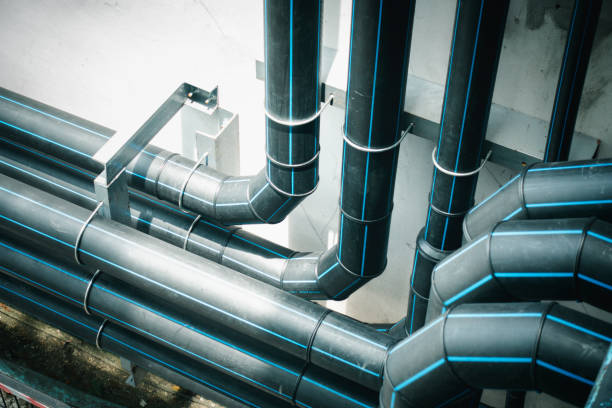
In 2025, High-Density Polyethylene (HDPE) pipes have emerged as a cornerstone of modern infrastructure, driven by advancements in material science, environmental policies, and urbanization trends. As global cities expand and industries seek sustainable solutions, HDPE pipes continue to redefine their role in critical sectors.
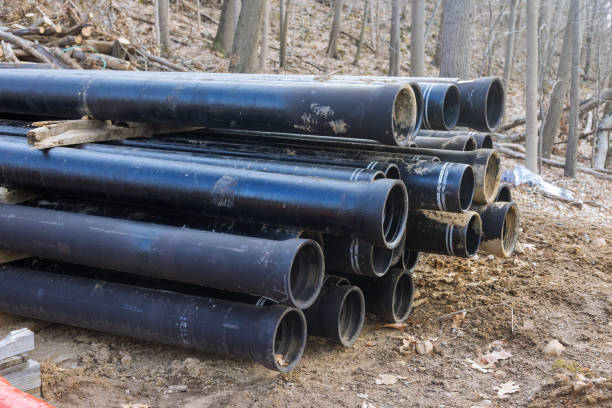
1. Market Growth and Regional Dynamics
The global HDPE pipe market is projected to reach 6.5billionby2030,withaCAGRof4.860.7 billion, fueled by initiatives like "Sponge City" construction and rural water system upgrades. Key players, including China Lesso Group and Qinglong Pipe Industry, are expanding production capacities to meet demand.
2. Technical Innovations
Manufacturers are focusing on enhancing HDPE pipes' performance through:
- Material Upgrades: Introduction of ultra-high-molecular-weight HDPE (UHMWPE) for extreme environments.
- Smart Integration: Embedded sensors enable real-time leak detection and pressure monitoring.
- Sustainable Practices: Recycled HDPE content in pipe reduces carbon footprints by 30%.
3. Key Application Sectors
HDPE pipes excel in:
- Municipal Engineering: Accounting for 50% of demand, they dominate urban drainage and sewage systems.
- Gas Distribution: Preferred for their corrosion resistance and cost-efficiency, replacing metal pipes in 60% of new projects.
- Industrial Use: Chemical, pharmaceutical, and food processing industries adopt HDPE for its chemical inertness.
- Agriculture: Drip irrigation systems in 80% of China’s high-yield farms rely on HDPE pipe.
4. Environmental and Policy Drivers
Stringent environmental regulations, such as China’s ban on single-use plastics, boost HDPE adoption. Governments subsidize projects using recyclable materials, with HDPE pipe qualifying for 15% tax rebates. Additionally, carbon-neutral initiatives in Europe and North America accelerate their replacement of traditional pipes.
5. Construction Advantages
HDPE pipes reduce installation costs by 40% due to:
- Lightweight Design: Easier transport and handling.
- Flexibility: Bend radius up to 25 times the pipe diameter minimizes joints.
- Longevity: Lifespan exceeds 50 years, cutting maintenance costs.
6. Competitive Landscape
While international firms like Dow and LyondellBasell lead in high-end markets, Chinese companies dominate mid-range segments. Mergers, such as Ningxia Qinglong’s acquisition of a German tech firm, enhance local R&D capabilities.
7. Challenges and Risks
- Raw Material Volatility: HDPE resin prices fluctuate with oil markets, impacting margins.
- Technical Barriers: High-pressure applications (e.g., offshore pipelines) still favor steel.
- Market Fragmentation: Over 2,000 Chinese manufacturers compete, leading to price wars.
8. Future Outlook
By 2030, HDPE pipes will dominate:
- Renewable Energy: Geothermal and hydrogen pipelines.
- Smart Cities: IoT-integrated systems for water management.
- Global Infrastructure: Emerging markets in Southeast Asia and the Middle East drive demand.
FAQ
Q1: How do HDPE pipes compare to PVC in terms of cost?
A1: HDPE pipes cost 10–15% more initially but save 30% in installation and maintenance over 50 years.
Q2: Can HDPE pipes withstand freezing temperatures?
A2: Yes, they retain flexibility at -40°C, preventing cracks.
Q3: Are HDPE pipes recyclable?
A3: 100% recyclable; recycled content meets 50% of new production needs.
Q4: What is the maximum pressure rating for HDPE pipe?
A4: Up to 25 bar for PE100-grade pipes, with custom solutions for higher pressures.
Q5: How do smart HDPE pipes work?
A5: Embedded sensors detect leaks via acoustic signals, transmitting data via LoRaWAN networks.
In conclusion, HDPE pipes are reshaping infrastructure with their blend of durability, sustainability, and innovation. As industries and governments prioritize resilience, these pipes will remain indispensable in building the future.