
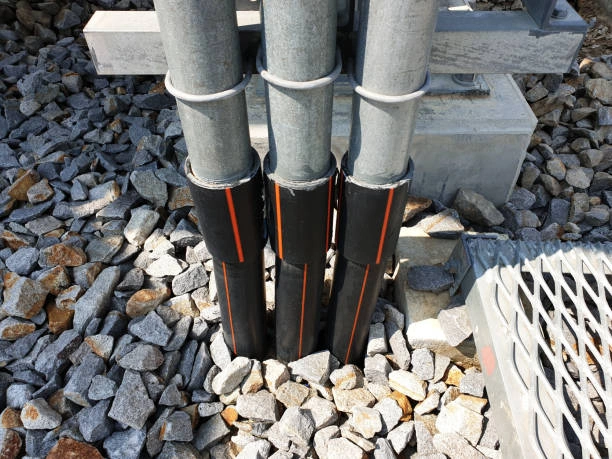
High-Density Polyethylene (HDPE) pipe have become a popular choice in plumbing, irrigation, and industrial projects due to their strength, flexibility, and resistance to corrosion. To connect these pipes efficiently, threaded HDPE fittings provide a durable and easy-to-install solution. This article will guide you through what threaded HDPE fittings are, their features, common uses, how to select the right fittings, installation tips, and how they compare to other connection types.
Frequently Asked Questions (FAQ)
1. What are threaded HDPE fittings?
Threaded HDPE fittings are connectors with integrated threads that screw onto compatible pipes or fittings, allowing for secure mechanical connections without welding.
2. Are threaded HDPE fittings reusable?
Yes, you can disassemble and reuse these fittings, which simplifies maintenance and system upgrades.
3. What sizes do threaded HDPE fittings come in?
They are available in various sizes, commonly from ½ inch up to 4 inches or larger, matching standard HDPE pipe diameters.
4. Do I need special tools to install threaded HDPE fittings?
You only need basic tools like wrenches; no specialized equipment is required.
5. How do I ensure a leak-free connection with threaded fittings?
Use appropriate thread sealants such as PTFE tape or pipe dope and avoid over-tightening.

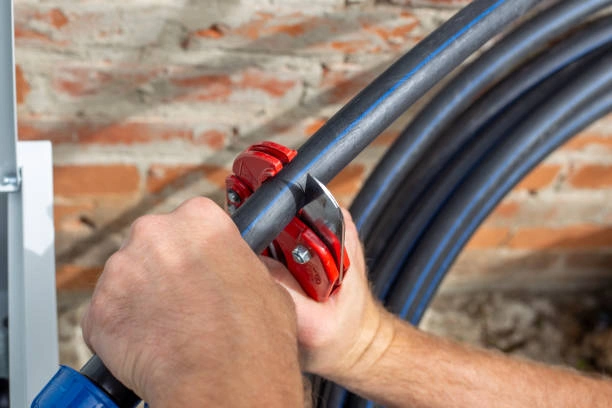
What Are Threaded HDPE Fittings?
Threaded HDPE fittings feature male or female threads molded into the fitting, which allow them to screw directly onto HDPE pipes or other threaded components. This method creates a secure, mechanical joint without heat fusion or solvent welding. You will find many fitting types, including elbows, tees, couplings, reducers, and adapters, enabling you to design versatile piping systems.
Key Features of Threaded HDPE Fittings
Threaded HDPE fittings offer many advantages:
- Durability: They resist corrosion, chemicals, and impact, providing long service life.
- Ease of Installation: You can install them quickly using simple hand tools without advanced skills.
- Reusability: Their mechanical connection allows you to disassemble and reuse fittings when needed.
- Versatility: Suitable for various piping applications, including potable water, gas, and industrial fluids.
- Leak Resistance: When you use proper thread sealants, these fittings create tight, leak-proof joints.
- Lightweight: They are easier to handle and transport compared to metal fittings.
Common Applications
You will commonly use threaded HDPE fittings in:
- Residential and commercial plumbing systems for water supply and drainage.
- Agricultural irrigation networks to build or repair pipelines quickly.
- Industrial fluid transport where chemical resistance is crucial.
- Gas distribution systems that require reliable and safe joints.
- Water treatment plants for connecting various piping components.
How to Choose the Right Threaded HDPE Fittings
When selecting threaded HDPE fittings, keep these points in mind:
- Check Pipe Compatibility: Match the fitting size and thread type with your HDPE pipes.
- Pressure Rating: Choose fittings rated for the maximum pressure your system will handle.
- Thread Standard: Verify the fitting threads comply with standards such as BSP or NPT to ensure compatibility.
- Material Grade: Opt for high-quality HDPE materials like PE100 for strength and durability.
- Sealant Selection: Use suitable thread sealants like PTFE tape or pipe dope to prevent leaks.
- Application Suitability: Confirm the fittings are designed for your specific use, whether potable water, gas, or industrial chemicals.
- Supplier Reliability: Purchase from trusted brands or distributors to guarantee product quality.
Installation Tips for Threaded HDPE Fitting
Follow these steps to install threaded fittings effectively:
- Prepare Pipe Threads: Clean and inspect pipe threads for damage or debris.
- Apply Thread Sealant: Wrap PTFE tape evenly on male threads or apply pipe dope.
- Hand-Tighten First: Screw the fitting on by hand to avoid cross-threading.
- Use Tools to Tighten: Use wrenches to secure the fitting but avoid over-tightening, which can crack fittings or strip threads.
- Pressure Test: Once installed, test the system under pressure to ensure there are no leaks.
- Regular Inspection: Periodically check fittings for signs of wear or leakage and tighten or replace as needed.
Threaded HDPE Fitting vs Other Connection Methods
| Feature | Threaded HDPE Fittings | Butt Fusion Fittings | Compression Fittings |
|---|---|---|---|
| Installation Speed | Moderate | Slower, requires fusion equipment | Fast |
| Tools Required | Basic hand tools | Specialized fusion tools | Minimal |
| Leak Resistance | High with sealant | Very high, permanent joint | Moderate |
| Reusability | Yes | No, permanent joint | Yes |
| Skill Level Needed | Low to moderate | High | Low |
| Suitable Applications | Wide | Mostly permanent systems | Temporary or small repairs |
| Cost | Moderate | Lower per unit | Slightly higher |
Conclusion
Threaded HDPE fitting provide a durable, flexible, and easy-to-install solution for connecting HDPE pipes. Their mechanical threads simplify assembly and maintenance while ensuring reliable, leak-free joints when installed correctly. Whether you work on plumbing, irrigation, or industrial pipelines, these fittings offer a practical balance of convenience and strength, helping you complete projects efficiently.