
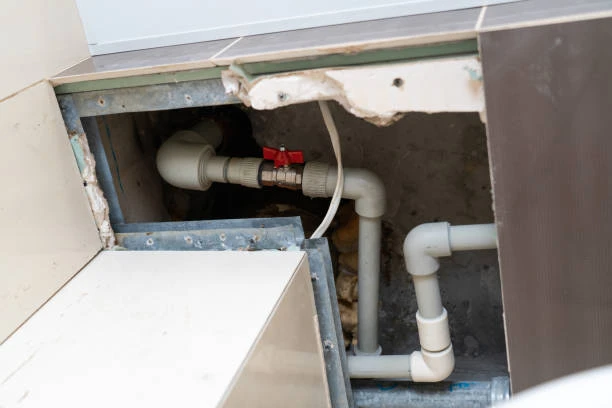
Introduction: Why Choosing the Right PEX Fittings Matters
PEX plumbing has become the go-to solution for both residential and commercial water systems. It’s affordable, flexible, and easy to install—but even the highest quality PEX tubing is only as good as the fittings that connect it. Whether you're a contractor, DIY enthusiast, or homeowner, understanding the best fittings for PEX plumbing systems is key to ensuring leak-free, long-lasting performance.
In this guide, we’ll explore the different types of PEX fittings, their features, how to choose the best one for your needs, and how they compare in real-world applications.
FAQ: Common Questions About PEX Fittings
1. What are PEX fittings?
PEX fittings are connectors used to join PEX tubing to itself or to other plumbing components like valves or fixtures.
2. Are all PEX fittings the same?
No. There are multiple types including crimp, clamp, push-fit, and expansion fittings, each suited for different conditions.
3. What material is best for PEX fittings?
Brass and poly-alloy are the most common. Brass is durable and heat-resistant, while poly is corrosion-resistant and cost-effective.
4. Can I mix different PEX fitting types in one system?
Mixing is not recommended. Stick to one system (e.g., crimp or expansion) for consistent sealing and tool compatibility.
5. Do I need special tools for PEX fittings?
Yes. Most PEX fittings require specific tools—crimpers, clamp tools, or expansion tools depending on the fitting type.
Understanding PEX Fittings: Types and Features
Here’s a breakdown of the most common PEX fitting types:
1. 🔧 Crimp Fittings
- Use copper crimp rings
- Require a crimp tool
- Compatible with brass or poly-alloy fittings
- Time-tested and reliable
2. 🔩 Clamp (Cinch) Fittings
- Use stainless steel clamp rings
- Installed using a cinch tool
- Easier for tight spaces
- Reusable with new rings
3. ⚙️ Expansion Fittings (ProPEX)
- Use PEX expansion rings
- Require an expansion tool
- Create a seal that tightens over time
- Ideal for cold climates
4. 🧩 Push-Fit Fittings (e.g. SharkBite)
- Tool-free installation
- Easily removable
- Ideal for quick fixes and remodels
- Slightly more expensive


Comparison Table: Choosing the Right PEX Fitting
| Type | Tools Needed | Strength | Ease of Use | Cost | Ideal Use |
|---|---|---|---|---|---|
| Crimp | Crimp tool | High | Moderate | Low | Permanent home plumbing |
| Clamp | Cinch tool | High | Easy | Low-Mid | DIY, tight spaces |
| Expansion | Expansion tool | Very High | Skilled use | Mid | Cold areas, high-volume water |
| Push-Fit | None | High | Very easy | High | Repairs, remodeling |
Recommended Materials: Brass vs Poly-Alloy
Brass Fittings
- ✅ Highly durable
- ✅ Withstand higher temperatures
- ❌ More expensive
Poly-Alloy Fittings
- ✅ Corrosion-resistant
- ✅ Affordable
- ❌ Slightly bulkier
For long-term installations or hot water systems, brass is a solid choice. For budget-conscious or large-scale systems, poly-alloy works well.
Best Fittings for Specific Home Applications
1. Bathroom Plumbing
Use crimp or clamp elbow fittings to connect shower heads, toilets, and faucets in tight wall spaces.
2. Kitchen Plumbing
Install T-fittings and angle adapters for dishwashers, sinks, and refrigerator water lines.
3. Water Heater Connections
Choose brass male and female adapters to transition from metal threads to PEX tubing safely.
4. Radiant Heating
Expansion fittings provide high-flow and secure seals in radiant floor heating installations.
5. Outdoor Taps
Use push-fit hose bib adapters for easy seasonal installation and removal.
How to Identify Quality PEX Fittings
When shopping for fittings, look for:
- NSF/ANSI certifications
- Lead-free labels
- Manufacturer warranty
- Smooth surface finish
- Tight O-ring or ring grooves
Also, avoid cheap knock-offs or unbranded products, especially when sourcing online.
Installation Tips for PEX Fittings
- Always cut the PEX tubing square and clean.
- Use the correct tool for the fitting system.
- Ensure the pipe is fully inserted into the fitting.
- Test for leaks before closing up walls or insulation.
- Avoid overtightening threaded brass fittings to prevent cracking.
PEX Fittings vs. Traditional Metal Fittings
| Feature | PEX Fittings | Traditional Metal Fittings |
|---|---|---|
| Flexibility | High | Low |
| Installation Time | Fast | Slow |
| Cost | Lower overall | Higher |
| Corrosion Resistance | High | Moderate |
| DIY Friendly | Yes | No |
PEX fittings offer huge advantages in modern plumbing—especially for DIY and home remodeling projects.
Conclusion: Choose the Right Fitting, Ensure the Right Flow
PEX plumbing has revolutionized home water systems—but without the right fittings, it can fall short. Whether you're using a crimp ring for a solid permanent connection or a push-fit fitting for a quick fix, your choice matters.
For long-term reliability, go with crimp or expansion fittings. For ease and flexibility, push-fit or clamp fittings are excellent. Pair the right fitting with the right material (brass or poly), and you’ll have a system that performs for years without leaks or trouble.