

1. Introduction
Underfloor heating systems rely heavily on the correct choice of pipes to deliver consistent, efficient warmth throughout a space. With various pipe sizes and materials available, selecting the right option can be overwhelming. This article provides a comprehensive overview of the common underfloor heating pipe sizes and types, helping you make informed decisions for your heating installation.
2. FAQs About Underfloor Heating Pipe Sizes and Types
Q1: What are the standard pipe sizes used in underfloor heating?
The most popular sizes are 10mm, 12mm, and 16mm diameter pipes.
Q2: What materials are underfloor heating pipes made from?
Common materials include PEX (cross-linked polyethylene), PE-RT (polyethylene raised temperature), and multilayer pipes such as PEX-AL-PEX.
Q3: How does pipe size affect heating performance?
Larger pipes allow more water flow, supporting longer loops and higher heat output, while smaller pipes offer greater flexibility and easier installation.
Q4: Can I mix pipe materials in one system?
Generally, it’s best to use the same material throughout to maintain system integrity and warranty compliance.
Q5: What factors influence pipe selection?
Room size, heat demand, installation environment, and system design all impact the choice of pipe size and type.
3. Understanding Underfloor Heating Pipe Sizes
Underfloor heating pipes typically come in 10mm, 12mm, and 16mm diameters. The size influences flow rates, heat output, and loop lengths:
- 10mm pipes are suited for small or complex areas where tight bends are necessary.
- 12mm pipes strike a balance between flexibility and flow capacity, ideal for medium rooms.
- 16mm pipes are the industry standard for large rooms or commercial installations due to their superior flow and heat output.
Choosing the correct size ensures efficient heat transfer and system longevity.
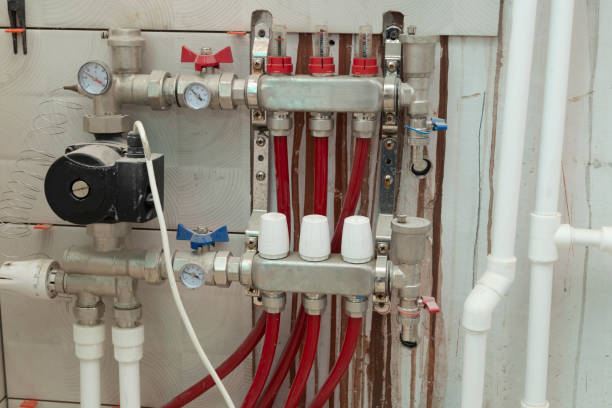
4. Common Types of Underfloor Heating Pipes
PEX Pipes
Cross-linked polyethylene (PEX) pipes are popular due to their flexibility, durability, and resistance to high temperatures and pressures.
PE-RT Pipes
Polyethylene raised temperature pipes offer excellent flexibility and thermal performance, making them suitable for various heating applications.
Multilayer Pipes (PEX-AL-PEX)
These pipes feature an aluminum layer sandwiched between PEX layers, combining strength, low thermal expansion, and oxygen barrier properties.
Other Materials
Less common types include PB (polybutylene) and copper, though plastics dominate due to cost-effectiveness and ease of installation.
5. Factors to Consider When Choosing Pipe Size and Type
- Room and system size: Larger spaces need pipes that can handle higher flow rates.
- Installation complexity: Smaller pipes fit tight corners but may require more loops.
- Thermal conductivity: Multilayer pipes provide better heat transfer efficiency.
- Oxygen barrier: Pipes with an oxygen barrier protect against corrosion in metal components.
- Compliance and certification: Ensure pipes meet local standards such as EN 12201 or ASTM D3035.
6. Installation Tips for Different Pipe Sizes and Types
- Use appropriate clips and fixing methods tailored to pipe diameter and material.
- Avoid sharp bends to prevent kinks, especially in smaller or less flexible pipes.
- Pressure test systems thoroughly after installation to check for leaks.
- Label pipe circuits clearly to facilitate future maintenance.
7. Comparing Pipe Sizes and Types: Pros and Cons
| Pipe Size/Type | Advantages | Disadvantages | Best For |
|---|---|---|---|
| 10mm (PEX, PE-RT) | Flexible, easy to install | Lower flow, more loops needed | Small rooms, retrofit projects |
| 12mm (PEX, PE-RT) | Balanced flexibility and capacity | Moderate heat output | Standard residential installations |
| 16mm (PEX-AL-PEX) | High flow, durable, oxygen barrier | Less flexible, higher cost | Large rooms, commercial projects |
8. Conclusion
Understanding the various underfloor heating pipe sizes and types is essential for designing a reliable and efficient heating system. Selecting the right diameter and material not only improves heat distribution but also extends the system's lifespan. Whether you choose flexible 10mm pipes for small spaces or durable 16mm multilayer pipes for larger installations, informed choices lead to greater comfort and energy savings.