
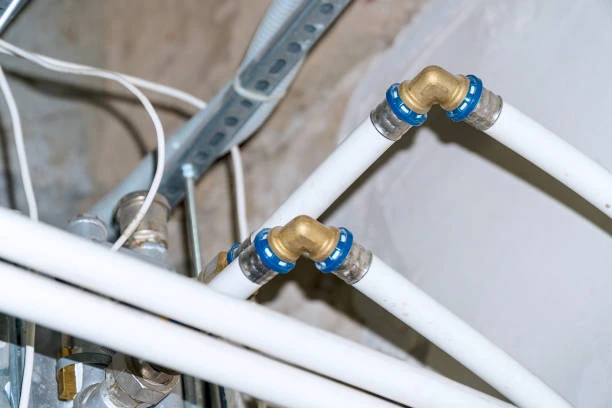
Introduction: Why Transition from Copper to PEX?
Copper pipes have been the plumbing standard for decades. But with the rise of PEX (cross-linked polyethylene) tubing—known for its flexibility, cost-efficiency, and resistance to scale and corrosion—many homeowners and professionals are choosing to replace or extend copper systems with PEX. Connecting copper to PEX safely and securely requires the right fittings, tools, and method. This guide walks you through each step so you can complete your plumbing transition with confidence.
Frequently Asked Questions (FAQ)
1. Can I connect PEX tubing directly to copper pipe?
Yes, with proper transition fittings like push-fit, threaded, or crimp-style adapters.
2. What’s the best method for connecting copper to PEX?
Push-fit fittings are easiest for DIYers, while threaded or crimp adapters are more permanent.
3. Do I need to solder copper before attaching PEX?
Only for threaded or crimp-type fittings that require soldered ends on copper.
4. Are copper to PEX connections safe and long-lasting?
Yes, if installed correctly using certified components.
5. Will PEX work with my existing plumbing system?
PEX is compatible with most systems and is approved by plumbing codes in many regions.
Tools and Materials You'll Need
Before you start, make sure you have the following:
- PEX tubing (sized to match existing pipe)
- Copper pipe (if replacing part of it)
- Copper-to-PEX adapter (push-fit, crimp, or threaded)
- PEX cutter
- Pipe cutter (for copper)
- PEX crimp rings or clamps (if applicable)
- Crimp tool or clamp tool (if applicable)
- Emery cloth or sandpaper (for copper)
- Go/no-go gauge (for crimp connections)
- Teflon tape (for threaded fittings)
- Soldering torch and solder (if needed)

Step-by-Step Guide: How to Connect Copper to PEX
Method 1: Using a Push-Fit Fitting (No Solder Required)
Best for: Quick repairs, DIY installations
Steps:
- Cut the copper pipe using a pipe cutter. Make sure the edge is square and clean.
- Deburr the edge with an emery cloth to ensure a smooth fit.
- Cut the PEX tubing with a PEX cutter. The cut should be straight and clean.
- Push the fitting onto the copper pipe until it clicks firmly in place.
- Insert the PEX tubing into the other side of the fitting until fully seated.
- Turn the water back on and check for leaks.
Push-fit fittings (like SharkBite) are easy to install, remove, and reuse if needed.
Method 2: Using a Threaded Transition Fitting
Best for: Permanent installations, remodels
Steps:
- Solder a threaded adapter to the copper pipe using a torch and solder.
- Let the pipe cool, then wrap Teflon tape around the threads.
- Thread the PEX side adapter onto the copper fitting securely.
- Slide a crimp ring over the PEX tubing, then insert the fitting.
- Use a crimp tool to secure the ring onto the PEX.
- Test with a go/no-go gauge to ensure the crimp is correct.
This method is more time-consuming but results in a very solid, permanent connection.
Method 3: Using a Crimp or Clamp Transition Fitting
Best for: New construction, cost-effective installations
Steps:
- Solder the copper transition fitting (usually with a barb on one side for PEX).
- Slide a crimp ring or clamp over the PEX tubing.
- Push the PEX onto the barb of the fitting.
- Crimp or clamp the ring securely.
- Check the crimp with a go/no-go gauge to ensure a tight seal.
Crimp or clamp fittings are affordable and widely used in residential systems.
Copper to PEX Fitting Comparison
| Method | Skill Level | Tools Needed | Leak Resistance | Cost | Recommended For |
|---|---|---|---|---|---|
| Push-Fit | Easy | None | High | High | DIY, quick repairs |
| Threaded Adapter | Medium | Torch, wrench | Very High | Medium | Remodels, professionals |
| Crimp/Clamp Fitting | Medium | Crimp/clamp tools | High | Low | Large-scale plumbing |
Installation Tips and Precautions
- Shut off water supply before cutting any pipe.
- Ensure all cuts are square and clean to avoid leaks.
- Don’t overheat copper pipes when soldering near PEX.
- Use certified fittings (e.g., ASTM F1807, F1960) for compliance and safety.
- Test your system thoroughly after installation.
Final Thoughts: Reliable Transitions from Copper to PEX
Connecting copper to PEX isn’t difficult—but doing it right is essential. Whether you choose a push-fit fitting for convenience or a crimp system for permanence, ensure every step is done with care. Using quality materials and proper technique will give you a reliable, leak-free plumbing system that blends the durability of copper with the modern benefits of PEX.
If you're planning a full remodel, expanding a water line, or just fixing a small section, now you know how to make the copper to PEX transition with confidence.