
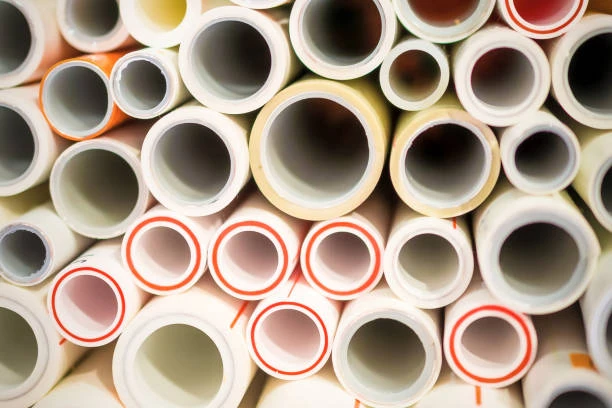
Introduction: A Simple Solution for Modern Plumbing
Connecting copper pipes to PEX tubing is a common challenge during renovations and new plumbing installations. Whether you’re updating an old water line or integrating a new system, a PEX adapter is the go-to solution. It allows seamless connection between rigid copper and flexible PEX, saving time and labor costs. This article explains what a PEX adapter is, how to choose the right one, and the best practices for installation, helping homeowners, plumbers, and contractors achieve reliable results.
Frequently Asked Questions (FAQ)
1. What is a copper to PEX adapter used for?
It connects a rigid copper pipe to a flexible PEX pipe, ensuring a secure and leak-proof transition in plumbing systems.
2. Are copper to PEX adapters safe for drinking water?
Yes, as long as they are made from certified, lead-free materials and meet local plumbing codes.
3. Do I need any special tools to install a PEX adapter?
Yes, depending on the type of adapter, you might need a crimping tool, push-fit tool, or expansion tool.
4. Can I use a PEX adapter with both hot and cold water lines?
Absolutely. PEX adapters are designed to handle a wide range of temperatures and are suitable for both hot and cold water supply.
5. How long do PEX adapters last?
With proper installation and quality materials, a PEX adapter can last over 25 years, similar to the lifespan of PEX piping itself.
What Is a PEX Adapter?
A PEX adapter is a small fitting that connects PEX tubing to other plumbing materials like copper, CPVC, or galvanized steel. In this case, a copper to PEX adapter connects rigid copper pipes to flexible PEX pipes. It typically features a copper-compatible end (sweat or compression fitting) and a PEX-compatible end (crimp, clamp, push-fit, or expansion fitting). These adapters are available in brass, poly-alloy, and lead-free materials.
Key Features:
- Designed for mixed-material plumbing systems
- Available in multiple configurations (straight, elbow, tee)
- Compatible with various connection methods (crimp, expansion, push-fit)
- Corrosion-resistant and pressure-tested
- Suitable for hot and cold water applications
Common Applications and Industries
PEX adapters are widely used across residential, commercial, and industrial plumbing systems. They offer flexibility in pipe layouts and simplify transitions between old and new installations.
Applications:
- Home plumbing retrofits
- Radiant floor heating systems
- Water heater connections
- Outdoor irrigation systems
- Commercial building renovations
Industries:
- Residential construction
- Commercial plumbing services
- HVAC systems
- Agriculture and greenhouse installations
- DIY home improvement

How to Choose the Right PEX Adapter
Choosing the right copper to PEX adapter involves more than matching pipe sizes. The right material, connection method, and certifications are crucial for performance and safety.
1. Material
- Brass: Durable and resistant to high temperatures
- Poly-Alloy: Corrosion-resistant and lead-free
- Lead-Free Brass: Safe for drinking water systems
2. Connection Type
- Crimp/Clamp: Requires a crimping tool and copper rings
- Push-Fit: Tool-free and quick installation
- Expansion: Requires expansion tool, used with PEX-A
- Sweat: Requires soldering to copper pipes
3. Certifications
Look for adapters certified by:
- NSF/ANSI 61 for drinking water safety
- ASTM F1807 (crimp) or F1960 (expansion) standards
- UPC or CSA marks for code compliance
4. Color Coding
While color is not a performance factor, it helps identify hot (red) and cold (blue) water lines for visual clarity.
Installation Tips: Connecting Copper to PEX
Installation methods vary based on the adapter type, but the basic process follows these general steps:
- Shut Off the Water Supply
Always turn off the water before starting any installation. - Prepare the Pipes
- Clean and deburr the copper pipe end
- Cut the PEX tubing cleanly and squarely
- Connect the Adapter
- For sweat fittings, solder the copper side first
- For push-fit, insert the copper and PEX ends directly
- For crimp/clamp fittings, slide a ring over the PEX, insert the adapter, and secure with a crimping tool
- Test the System
Turn the water back on and check for leaks. If using crimp rings, use a go/no-go gauge to ensure a tight seal. - Insulate If Needed
In colder climates, insulate exposed PEX lines to prevent freezing.
PEX Adapter vs. Other Plumbing Connectors
The table below compares PEX adapters to other common types of connectors when joining copper and PEX systems:
| Feature | PEX Adapter | Copper Coupling | SharkBite Push-Fit | CPVC Adapter |
|---|---|---|---|---|
| Compatible with PEX | ✔ Yes | ✖ No | ✔ Yes | ✖ Not directly |
| Requires Special Tools | Depends on type | Yes (soldering) | No | Yes (glue, primer) |
| DIY-Friendly | ✔ Yes | ✖ No | ✔ Yes | ✖ Moderate |
| Leak-Resistant | ✔ High | ✔ Moderate | ✔ Moderate to High | ✔ Moderate |
| Reusable | Depends on type | ✖ No | ✔ Yes | ✖ No |
| Installation Speed | ✔ Fast | ✖ Slow | ✔ Very Fast | ✖ Slow |
| Long-Term Reliability | ✔ 25+ Years | ✔ 20+ Years | ✔ 10–25 Years | ✔ 20+ Years |
Conclusion: The Smart Way to Connect Copper and PEX
A copper to PEX adapter is a smart, efficient, and cost-effective solution for hybrid plumbing systems. Whether you're upgrading an old copper system or integrating new PEX lines, these adapters provide a safe and reliable transition. By understanding the different types, choosing certified materials, and following proper installation steps, you can ensure long-lasting performance. As PEX continues to gain popularity, knowing how to use these adapters is essential for both DIYers and professionals in the plumbing industry.
If you’re planning a project that involves both copper and PEX, investing in quality PEX adapters will save time, reduce risk, and ensure your plumbing is future-proof.