
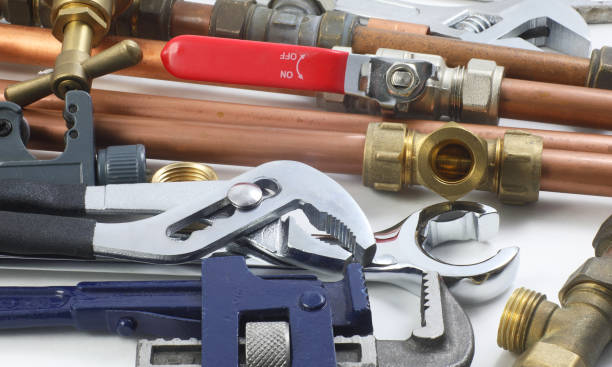
Introduction
Compression fittings provide a reliable way to connect PEX tubing without soldering or glue. Installing compression fittings on PEX is a straightforward process when you understand the proper tools, techniques, and precautions. This guide walks you through each step, from preparation to final testing, ensuring a strong, leak-free connection that lasts. Whether you’re a professional plumber or a DIYer, learning how to install compression fittings on PEX will make your plumbing projects more efficient and secure.
FAQ: Installing Compression Fitting on PEX
1. Can I use compression fittings with PEX tubing?
Yes. Compression fittings are compatible with PEX when installed correctly with a proper insert.
2. What tools do I need?
Typically, you need a PEX cutter, adjustable wrenches, and a stiffener (insert) for the tubing.
3. Do I need a special insert for PEX compression fittings?
Yes, inserts prevent the flexible PEX from collapsing under compression.
4. Are compression fittings reusable on PEX?
No. For best sealing, use new compression fittings each time.
5. How do I prevent leaks?
Ensure clean cuts, proper insertion of the stiffener, and careful tightening of the compression nut.
What Are Compression Fitting?
Compression fittings join pipes by compressing a metal ring (ferrule) around the tubing, creating a tight seal. They typically include:
- Compression nut
- Ferrule (compression ring)
- Fitting body (usually brass)
Unlike soldering, they require no heat, making them ideal for PEX, especially in retrofit situations.
Tools and Materials Needed
- PEX tubing
- Compression fittings compatible with PEX
- PEX pipe cutter
- Stiffener/insert for PEX
- Adjustable wrenches or compression tool
- Teflon tape (for threaded connections, if applicable)
Step-by-Step Installation Process
Step 1: Cut the PEX Tubing
Use a PEX cutter to make a clean, straight cut. Avoid angled or jagged edges that may cause leaks.
Step 2: Insert the Stiffener
Push the stiffener fully inside the PEX tubing end to prevent it from collapsing under pressure.
Step 3: Slide the Compression Nut and Ferrule
Place the compression nut onto the tubing first, then slide the ferrule (compression ring) behind it.
Step 4: Insert Tubing into Fitting
Push the PEX tubing with the stiffener fully into the fitting body until it seats firmly.
Step 5: Tighten the Compression Nut
Hand-tighten the compression nut, then use two wrenches to secure it—one holds the fitting body, the other tightens the nut.
Step 6: Check the Connection
Visually inspect the joint. Turn on water slowly and watch for leaks. Tighten slightly if needed but avoid overtightening.
Common Mistakes to Avoid
- Skipping the stiffener insert
- Using damaged or old compression fittings
- Over-tightening nuts, which can deform fittings
- Not cutting PEX tubing cleanly
- Forgetting to support pipes near fittings
Applications of Compression Fitting on PEX
- Connecting shut-off valves
- Joining PEX to copper or brass piping
- Appliance hookups like dishwashers and water heaters
- Faucet supply lines
- Temporary or emergency plumbing repairs
Comparison: Compression Fittings vs Other PEX Connections
| Feature | Compression Fittings | Crimp/Clamp Fittings | Push-to-Connect Fittings |
|---|---|---|---|
| Tools Required | Wrenches | Crimp or clamp tool | None |
| Installation Speed | Moderate | Slower | Fast |
| Reusability | No | No | Yes |
| Leak Risk | Low (if done correctly) | Very low | Low |
| Cost | Moderate | Low | Higher |
Summary
Installing compression fittings on PEX tubing is a reliable, solder-free way to create secure plumbing connections. By following simple steps—cutting tubing cleanly, using inserts, and tightening properly—you ensure a leak-proof joint. This method works well for repairs, retrofits, and joining PEX to other pipe types. Always use new fittings, avoid overtightening, and test connections thoroughly. With the right tools and techniques, you’ll achieve professional-quality results for your plumbing projects.