

Introduction
PEX piping has become one of the most popular choices for residential and commercial plumbing due to its flexibility, durability, and ease of installation. However, when it comes to maintaining water temperature and reducing energy costs, simply using PEX alone isn’t always enough. That’s where insulated PEX piping comes in. By adding insulation around PEX pipes, you can keep your hot water hotter for longer, prevent heat loss, and ultimately save money on your energy bills.
This article will explore what insulated PEX piping is, why it matters, how it works, common applications, and tips for selecting and installing insulated PEX to maximize efficiency.
What Is Insulated PEX Piping?
Insulated PEX piping refers to PEX tubing that comes with a factory-applied or field-applied insulation layer designed to minimize heat loss. This insulation usually consists of foam or rubber sleeves that wrap around the pipe, creating a thermal barrier between the hot water inside the pipe and the cooler surrounding environment.
The main purpose of insulation is to keep water temperatures stable, especially for hot water lines, so you don’t waste energy reheating water that cools during transit.
Why Insulate PEX Pipes?
1. Maintain Water Temperature
Without insulation, hot water traveling through pipes loses heat to the surrounding air. This means water takes longer to reach your tap at the desired temperature, resulting in frustration and wasted water.
2. Lower Energy Bills
Heat loss from uninsulated pipes causes your water heater to work harder and longer to maintain the set temperature. Insulating your pipes reduces this heat loss, lowering your water heating energy consumption.
3. Prevent Condensation and Freezing
While insulation mainly helps with hot water lines, it also reduces condensation on cold water pipes and provides some protection against freezing in colder climates.
4. Improve System Efficiency
Insulated pipes contribute to overall plumbing efficiency, reducing energy waste and improving your home’s sustainability.
Types of Insulation for PEX Piping
1. Foam Pipe Insulation
Closed-cell polyethylene or elastomeric foam sleeves are the most common types used for PEX pipes. They are lightweight, flexible, easy to install, and provide good thermal resistance.
2. Rubber Pipe Insulation
Rubber insulation offers better flexibility and durability, making it ideal for applications where pipes may expand or contract frequently. It also resists moisture better than foam.
3. Pre-Insulated PEX Tubing
Some manufacturers offer PEX tubing with factory-applied insulation and a protective outer jacket. This option simplifies installation and ensures consistent insulation quality.
Common Applications of Insulated PEX Piping
- Hot Water Distribution: Insulated PEX pipes are widely used in domestic hot water systems to keep water hot and reduce wait times at faucets.
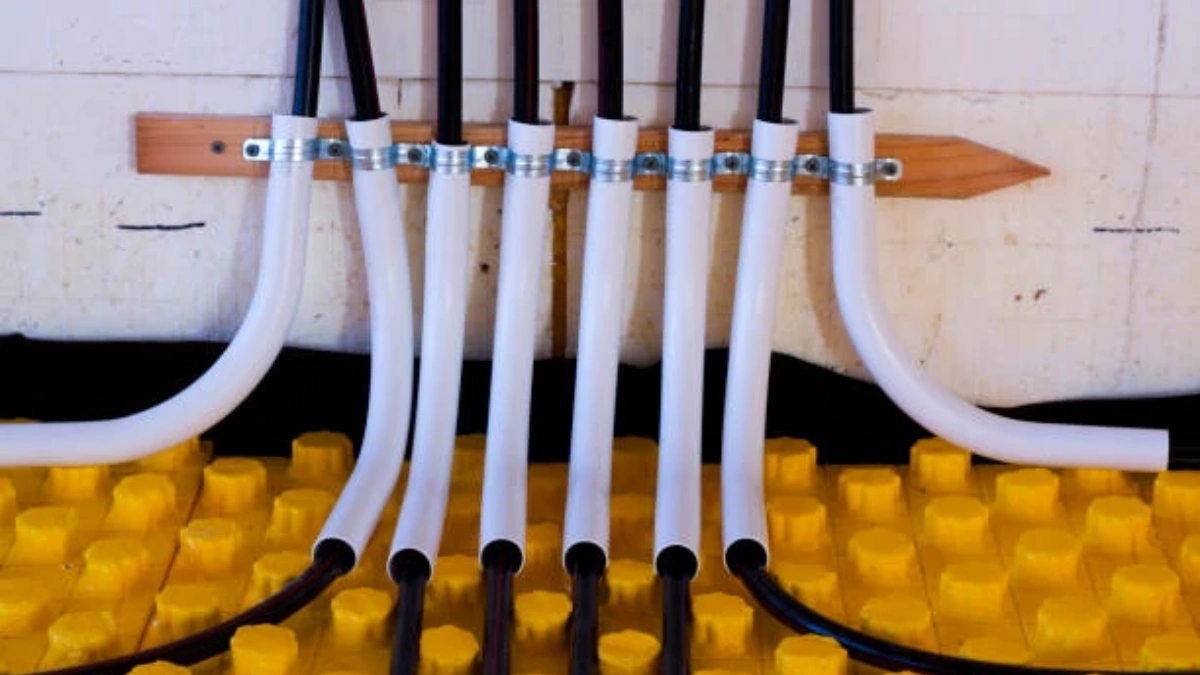
- Radiant Heating Systems: Insulation helps maintain heat in hydronic floor heating systems, improving comfort and energy efficiency.
- Commercial Plumbing: Large buildings benefit from insulated PEX to maintain temperature consistency across long pipe runs.
- Solar Hot Water Systems: To maximize heat retention, insulated PEX piping is often used in solar thermal loops.
How to Choose the Right Insulated PEX Piping
1. Check Pipe Size and Insulation Thickness
Choose insulation thickness based on pipe diameter and the temperature difference between water and ambient air. Thicker insulation offers better heat retention but may be more costly.
2. Look for Quality Materials
Ensure that the insulation material is durable, moisture-resistant, and suitable for the installation environment.
3. Consider Pre-Insulated vs Field-Insulated
Pre-insulated PEX offers ease of installation and consistent quality, but field-applied insulation provides flexibility in tight or irregular spaces.
4. Review Certifications
Verify that the insulated PEX products meet relevant plumbing and energy efficiency standards.
Installation Tips for Insulated PEX Piping
- Seal Joints Properly: Use insulation tape or sealant to cover seams and joints to prevent heat loss.
- Avoid Compression: Don’t compress insulation too much during installation, as it reduces effectiveness.
- Protect from UV: If insulation is exposed outdoors, use UV-resistant jacketing or coverings.
- Insulate Valves and Fittings: Use pre-formed insulation covers or wrap fittings to prevent thermal bridging.
- Plan for Expansion: Leave room for pipe expansion and contraction inside insulation.
Benefits Summary: Why Insulated PEX Is Worth It
| Benefit | Explanation |
|---|---|
| Energy Savings | Less heat lost means lower water heating costs |
| Faster Hot Water | Reduced wait time for hot water at fixtures |
| Condensation Control | Minimizes moisture buildup on cold water pipes |
| Freeze Protection | Helps prevent pipe freezing in cold conditions |
| Increased System Life | Reduced thermal stress extends pipe lifespan |
Conclusion
Insulating PEX piping is a straightforward and cost-effective way to enhance your plumbing system’s energy efficiency and comfort. By keeping water hot for longer and minimizing heat loss, insulated PEX piping helps you save on energy bills while improving the performance of your hot water and heating systems.
Whether you choose pre-insulated tubing or apply insulation yourself, paying attention to material quality, installation best practices, and environmental conditions will ensure you get the most out of your insulated PEX piping.
If you want to keep your water hot and your energy bills low, insulated PEX piping is a smart choice that delivers long-term benefits.