

Summary: Understanding the Basics
When choosing a PEX pipe system for a plumbing project, professionals often face one key question: PEX A or PEX B? Both types belong to the family of cross-linked polyethylene tubing, but they differ in production method, flexibility, fitting compatibility, and cost. In this guide, we’ll explain the main differences between PEX A and PEX B, help you decide which one suits your job, and provide insight into installation techniques, durability, and real-world applications. Whether you're a licensed plumber or a DIY enthusiast, knowing the strengths and limitations of each type will help you make the right call.
Frequently Asked Questions (FAQ)
1. What is the main difference between PEX A and PEX B?
PEX A is more flexible and kink-resistant, while PEX B is stiffer but often more affordable and has better burst strength.
2. Can I use the same fittings for PEX A and PEX B?
Not always. PEX A commonly uses expansion fittings, whereas PEX B is better suited for crimp or clamp fittings.
3. Which is more durable over time, PEX A or PEX B?
Both are highly durable. However, PEX B generally has better chlorine resistance and long-term pressure performance.
4. Is one easier to install than the other?
PEX A is easier to bend and maneuver, especially in tight spaces, making installation faster. PEX B requires more effort to shape.
5. Can I connect PEX A to PEX B in the same system?
Yes, you can mix both types if you use compatible fittings and ensure secure connections. Always follow local plumbing codes.
Definition and Features of PEX A and PEX B
What is PEX?
PEX stands for cross-linked polyethylene, a type of plastic tubing used for hot and cold water distribution. It offers flexibility, freeze resistance, and durability. The differences among PEX types come from how they’re manufactured.
PEX A – Produced via the Engel Method
- Made using peroxide (Engel method)
- Cross-linking occurs during extrusion
- Most flexible type
- Allows for expansion fitting system
- Can self-repair small kinks with heat
PEX B – Produced via the Silane Method
- Made using moisture-cure silane method
- Cross-linking occurs after extrusion
- Slightly stiffer than PEX A
- Commonly used with crimp/clamp ring fittings
- Strong resistance to oxidation and chemicals
Applications and Industries That Use PEX A and PEX B
PEX A Applications
- Residential plumbing with complex layouts
- Radiant floor heating
- Retrofit or remodeling projects
- Cold climates (thanks to kink resistance)
PEX B Applications
- New construction water distribution
- Multi-unit residential buildings
- Long, straight runs in slab or wall systems
- High-pressure and chlorinated water systems
Both types are suitable for hot and cold water and are approved by building codes in most regions.

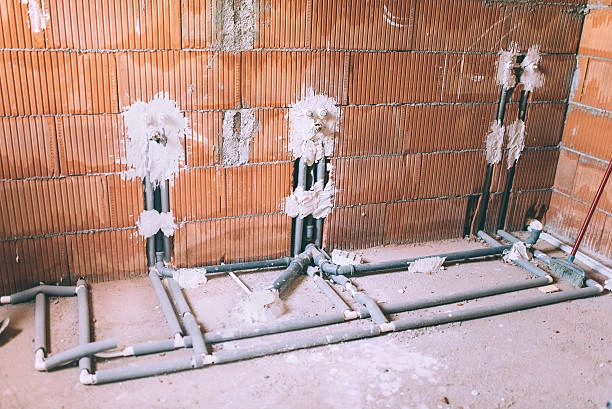
Buying Guide: Choosing Between PEX A and PEX B
1. Flexibility and Bend Radius
- PEX A is extremely flexible and can bend easily around corners without fittings.
- PEX B is stiffer and may require more elbows and supports in tight areas.
2. Cost
- PEX B is typically 20–30% less expensive than PEX A.
- If budget is tight and flexibility is not a major concern, PEX B is the practical choice.
3. Fitting Compatibility
- PEX A works with expansion fittings (ASTM F1960).
- PEX B works with crimp or clamp fittings (ASTM F1807/F2159).
- Each system requires a specific toolset.
4. Durability and Resistance
- PEX B has better chlorine resistance and oxidation stability.
- PEX A is more prone to chemical degradation in certain conditions, although it performs better in freezing environments.
5. Installation Tools
- PEX A needs an expansion tool, which is more expensive but provides tighter fits over time.
- PEX B only requires crimp/clamp tools, which are generally cheaper and easier to handle.
6. Kink Repair
- PEX A can be heated and reformed if kinked.
- PEX B must be cut and replaced if a kink occurs.
Installation Notes and Best Practices
For PEX A:
- Always use expansion rings and expansion fittings.
- After expanding, allow time for the pipe to shrink back onto the fitting.
- Avoid cold weather installations unless proper heating tools are used.
For PEX B:
- Use a proper crimp or clamp ring and matching tool.
- Cut the pipe clean and straight before inserting the fitting.
- Use a go/no-go gauge to ensure secure crimps.
General Tips:
- Secure all fittings and pipes using approved supports.
- Don’t overbend or force the tubing—follow manufacturer’s bend radius guidelines.
- Label hot and cold water lines for clarity.
PEX A vs PEX B: Comparison Table
Here’s a clear side-by-side comparison of key attributes:
| Feature | PEX A | PEX B |
|---|---|---|
| Flexibility | Very high | Moderate |
| Fitting System | Expansion (F1960) | Crimp/Clamp (F1807/F2159) |
| Cost | Higher | Lower |
| Freeze Resistance | Excellent | Good |
| Kink Repairability | Can be heat-repaired | Must be cut and replaced |
| Tool Cost | Higher (expansion tool) | Lower (crimp/clamp tools) |
| Chlorine Resistance | Lower | Higher |
| Pressure Performance | Good | Better |
| Best For | Remodels, tight spaces | New builds, long runs |
Conclusion
Choosing between PEX A and PEX B depends on your specific plumbing needs. If flexibility and kink-resistance are critical, especially in renovation or cold-weather applications, PEX A is the better option. On the other hand, if you want a more budget-friendly pipe that offers excellent durability and is easier to install with crimp tools, PEX B is a smart choice.
Both types are code-approved, long-lasting, and safe for potable water. When selected and installed properly, either can deliver reliable performance for decades. Before starting your next plumbing project, weigh the pros and cons of PEX A vs PEX B carefully—your decision will affect not only the installation process but also long-term system maintenance and efficiency.