

Introduction
When it comes to reliable and long-lasting plumbing solutions, multi-layer pipes like PEX-AL-PEX have become increasingly popular. These pipes combine the flexibility of plastic with the strength of metal, making them ideal for demanding applications. However, to achieve optimal performance, it’s essential to use the right fittings. That’s where PEX-AL-PEX fitting come in. In this guide, we’ll walk you through everything you need to know—from how they work to how to install them—so you can build stronger, more durable systems with confidence.
FAQ: Frequently Asked Questions About PEX-AL-PEX Fitting
1. What exactly is PEX-AL-PEX?
PEX-AL-PEX is a composite pipe with a layer of aluminum sandwiched between inner and outer PEX layers, offering both flexibility and strength.
2. Can I use standard PEX fittings with PEX-AL-PEX pipe?
No. PEX-AL-PEX requires dedicated fitting such as compression or press types for a secure connection.
3. Where is PEX-AL-PEX commonly used?
It’s often used in radiant floor heating, potable water systems, and high-temperature plumbing due to its low expansion rate and stability.
4. What tools are required for installation?
Depending on the fitting type, you may need a wrench, a pipe cutter, or a press tool for reliable and safe installation.
5. Are PEX-AL-PEX fittings reusable?
Compression fittings can often be reused if removed carefully, while press and push-fit types are usually not reusable.
Understanding PEX-AL-PEX Fittings: Structure and Function
Before diving into fittings, let’s understand what makes PEX-AL-PEX different. These pipes consist of three bonded layers: cross-linked polyethylene on the inside and outside, and a layer of aluminum in the middle. This design gives the pipe excellent shape memory and reduces thermal expansion significantly.
Unlike standard PEX fittings, which often rely on crimp or expansion methods, PEX-AL-PEX fittings are built to accommodate the rigid yet flexible nature of the pipe. Typically, they use compression, press, or push-fit techniques to provide a tight, mechanical seal without relying on adhesives or heat.
Applications: Where PEX-AL-PEX Fittings Excel
Because of their robust design and temperature resistance, PEX-AL-PEX pipes and fittings are commonly used in:
- Radiant floor heating systems: where temperature control and reliability are crucial
- Hydronic heating: for energy-efficient thermal distribution
- Potable water systems: due to corrosion resistance and NSF certifications
- Snow melting systems: especially in colder climates where durability matters
- Commercial plumbing: where long-term pressure and heat resistance are essential
Clearly, these fittings play a vital role in both residential and commercial projects.
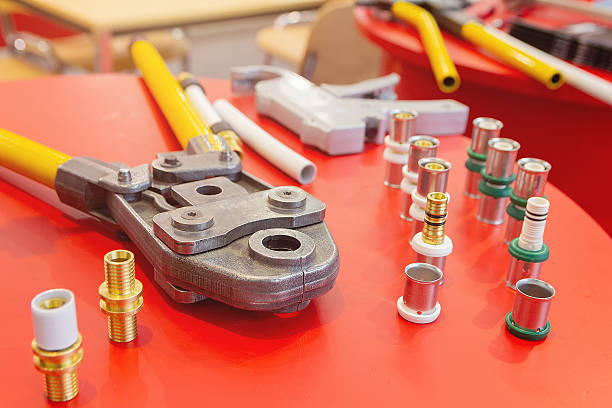
How to Select the Right PEX-AL-PEX Fittings
Choosing the right fitting is about more than just size—it involves understanding your system’s specific needs. Here are several points to consider:
1. Fitting Type
- Compression fittings are tightened with a nut and ferrule, offering easy installation and disassembly.
- Press fittings require a dedicated pressing tool but ensure uniform sealing across the system.
- Push-fit fittings are ideal for quick, tool-free installations, though they may come at a higher cost.
2. Material Choice
Look for fittings made from:
- Brass for corrosion resistance and mechanical strength
- Stainless steel for use in aggressive water conditions or high-demand environments
3. Certifications to Look For
To ensure safety and performance, verify fittings have:
- ASTM F1281/F1282 certification for PEX-AL-PEX pipe systems
- NSF 61/14 certification for drinking water safety
- ISO 21003 compliance for international quality standards
Installation Tips for Best Results
Installing PEX-AL-PEX fitting is relatively straightforward, but a few best practices can help ensure a leak-free, high-performance system.
- Start by cutting the pipe clean and square using a dedicated pipe cutter.
- Deburr and chamfer the ends to avoid damaging the O-rings inside the fitting.
- Insert the fitting fully, making sure the pipe is seated to the proper depth.
- Tighten compression nuts gradually and evenly if using compression fittings.
- Use the appropriate press tool for press fittings to ensure uniform force around the joint.
- Always test your system with water or air pressure to verify that all joints are sealed properly.
By following these steps, you’ll reduce the risk of leaks and extend the lifespan of your installation.
Comparison: PEX-AL-PEX vs. Standard PEX Fittings
To help you better understand when to use PEX-AL-PEX fitting, here’s a comparison with regular PEX fittings:
| Feature | PEX-AL-PEX Fittings | Standard PEX Fittings |
|---|---|---|
| Pipe Type Compatibility | PEX-AL-PEX only | PEX-A, PEX-B, or PEX-C |
| Connection Method | Compression / Press / Push-fit | Crimp / Clamp / Expansion |
| Expansion Resistance | Very low | Moderate to high |
| Flexibility of Pipe | Moderate | High |
| Required Tools | Wrench / Press tool | Expansion or crimp tools |
| Reusability | Sometimes (compression only) | Usually not |
| Installation Complexity | Moderate | Moderate to easy |
| Common Applications | Radiant heating, potable water | General plumbing |
This comparison makes it clear that PEX-AL-PEX fittings are better suited for high-performance systems that require stability and longevity.
Conclusion
As plumbing and heating systems evolve, so do the materials and technologies behind them. PEX-AL-PEX fittings are a prime example of how modern engineering can provide long-term performance, leak resistance, and installation flexibility. Whether you're building a radiant floor heating system, upgrading a potable water network, or installing hydronic heating, these fittings deliver unmatched reliability.
By selecting the right fitting type, using proper tools, and following installation best practices, you’ll ensure your PEX-AL-PEX system performs at its best for years to come. As a result, you can take on complex plumbing challenges with confidence and peace of mind.