
Introduction
PEX pipe for water has become one of the most popular choices for modern plumbing systems. Homeowners, contractors, and builders often prefer PEX because it is flexible, affordable, and long-lasting. Unlike traditional materials such as copper or galvanized steel, PEX does not corrode or scale. It also resists freezing damage and can be installed more quickly, saving time and labor costs. This guide will explain what PEX pipe for water is, its main characteristics, common uses, buying tips, installation advice, and how it compares with other pipe materials.
FAQ About PEX Pipe for Water
- What is PEX pipe for water?
It is a cross-linked polyethylene pipe designed to transport clean water for residential, commercial, and industrial systems. - Can PEX be used for hot water?
Yes, PEX is available in types that handle both hot and cold water, making it suitable for entire plumbing systems. - Is PEX pipe safe for drinking water?
Certified PEX pipes that meet NSF or equivalent standards are safe for potable water. - How long does PEX pipe last?
When properly installed, PEX can last 40 to 50 years, depending on water quality and temperature conditions. - Can PEX replace copper pipes?
Yes, many homeowners replace copper with PEX due to lower cost, easier installation, and resistance to corrosion.

Definition and Characteristics of PEX Pipe for Water
PEX stands for cross-linked polyethylene. This type of pipe is manufactured by chemically or physically linking polyethylene molecules, which increases its strength and flexibility. PEX is available in different grades, such as PEX-A, PEX-B, and PEX-C, each with slightly different manufacturing processes but similar performance for water supply.
Key characteristics of PEX pipe for water include:
- Flexibility: It can bend around corners, reducing the need for fittings.
- Durability: It resists corrosion, scale buildup, and chlorine damage.
- Temperature resistance: Suitable for both hot and cold water applications.
- Freeze resistance: It expands slightly when water freezes, reducing burst risks.
- Cost-effectiveness: Less expensive than copper and faster to install.
Common Uses and Applications
PEX pipe for water is widely used in residential and commercial projects. Some of the most common applications include:
- Domestic cold water supply lines.
- Hot water distribution in kitchens and bathrooms.
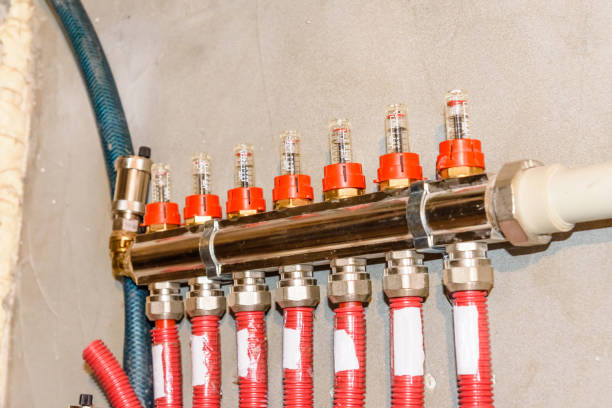
- Underfloor radiant heating systems.
- Hydronic heating in residential and industrial buildings.
- Replacement of aging copper or galvanized pipes.
- Water supply for appliances such as washing machines and dishwashers.
Because of its flexibility and wide range of sizes, including the 2-inch PEX water pipe for larger systems, it can serve both small homes and large-scale projects.
Buying Guide for PEX Pipe for Water
When selecting PEX pipe for water, it is important to evaluate several factors:
- Material Type: Choose between PEX-A, PEX-B, and PEX-C depending on flexibility and installation needs.
- Color Coding: Red pipes are typically used for hot water, blue for cold water, and white for general purposes. Color coding helps simplify installation.
- Certification: Look for pipes with NSF, ASTM, or local plumbing code approvals to ensure safety and quality.
- Size: Sizes range from small diameters for fixture connections to large 2-inch PEX for main supply lines.
- UV Resistance: Standard PEX should not be used outdoors without protection. If outdoor installation is needed, select UV-resistant options.
Installation Tips and Considerations
Proper installation ensures that PEX performs well over decades. Here are key tips:
- Use the correct tools: Expansion or crimp systems are commonly used for joining PEX.
- Avoid direct sunlight: PEX should not be exposed to UV rays for long periods.
- Secure properly: Use clamps or fasteners to prevent vibration or sagging.
- Pressure test: Always test the system for leaks before use.
- Observe temperature and pressure limits: Follow manufacturer guidelines to avoid damage.
Additionally, transitions between PEX and other materials such as copper require approved fittings to ensure leak-free connections.
PEX Pipe for Water vs Other Pipe Materials
When deciding between PEX and traditional pipe options, it helps to compare their main characteristics.
| Feature | PEX Pipe for Water | Copper Pipe | PVC Pipe | Galvanized Steel Pipe |
|---|---|---|---|---|
| Flexibility | Highly flexible, fewer fittings | Rigid, requires many fittings | Rigid, limited flexibility | Rigid, heavy |
| Corrosion Resistance | Excellent, does not corrode | Can corrode in acidic water | Resistant but not for hot water | Prone to rust and scale buildup |
| Installation Speed | Fast and simple | Slow, requires soldering | Moderate, glued connections | Slow, threaded connections |
| Cost | Low to moderate | High | Low | Moderate to high |
| Lifespan | 40–50 years | 50+ years if maintained | 25–40 years | 20–50 years depending on water |
| Hot Water Suitability | Yes | Yes | Limited (not recommended for hot) | Yes, but prone to scaling |
This comparison shows that PEX offers an excellent balance of durability, cost-effectiveness, and ease of installation, making it the preferred choice in many situations.
Conclusion
PEX pipe for water has transformed modern plumbing by providing a solution that is flexible, reliable, and affordable. With its resistance to corrosion, ability to handle both hot and cold water, and long service life, it continues to replace older materials like copper and galvanized steel in homes and businesses. By choosing certified products, following installation guidelines, and selecting the right size and type, homeowners and contractors can ensure a safe and efficient water supply system. For anyone planning new construction or pipe replacement, PEX pipe for water is a dependable and future-ready choice.