
Introduction: Why PEX Water Piping Is Gaining Popularity
Homeowners and builders alike are turning to PEX water piping as a smarter, more flexible, and cost-effective alternative to traditional plumbing materials like copper or PVC. Short for cross-linked polyethylene, PEX has become the preferred piping solution in modern residential construction thanks to its durability, ease of installation, and resistance to scale and corrosion.
In this guide, we’ll explore what PEX water piping is, how it works, and why it’s a top choice for today's homes.
Frequently Asked Questions (FAQ)
1. What is PEX water piping used for?
It is primarily used for hot and cold water supply lines, as well as radiant floor heating systems.
2. Is PEX piping safe for drinking water?
Yes. Most certified PEX piping is approved for potable water use and meets NSF/ANSI safety standards.
3. How long does PEX piping last?
PEX pipes typically last 40–50 years under normal conditions.
4. Can PEX piping be used outdoors?
While PEX can be used underground or outside, it should be protected from UV rays and extreme temperatures.
5. Do I need special tools to install PEX piping?
Yes. You’ll need specific tools like pipe cutters, crimpers, or expansion tools depending on the PEX type.
What Is PEX Water Piping?
PEX (cross-linked polyethylene) water piping is a flexible plastic tubing system used to transport water in residential and commercial plumbing. The term “cross-linked” refers to the molecular structure of the polyethylene, which is chemically altered to improve its strength, flexibility, and resistance to extreme temperatures.
Key Characteristics:
- Flexible and easy to bend, reducing the need for fittings
- Corrosion-resistant, unlike metal pipes
- Quiet operation, minimizing water hammer noise
- High thermal resistance, ideal for both hot and cold water
There are three main types of PEX:
- PEX-A: Most flexible, uses expansion fittings
- PEX-B: Slightly stiffer, commonly used with crimp/clamp rings
- PEX-C: Least flexible, made using an electron beam process
Where Is PEX Water Piping Commonly Used?
1. Residential Plumbing Systems
PEX is widely used for both hot and cold water supply lines inside homes. Its flexibility allows for quick installation around corners and through tight spaces.
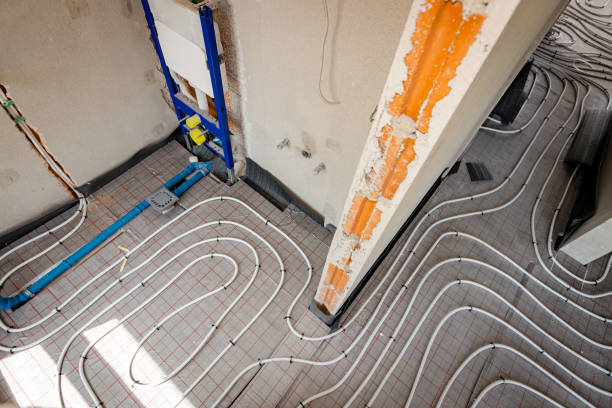
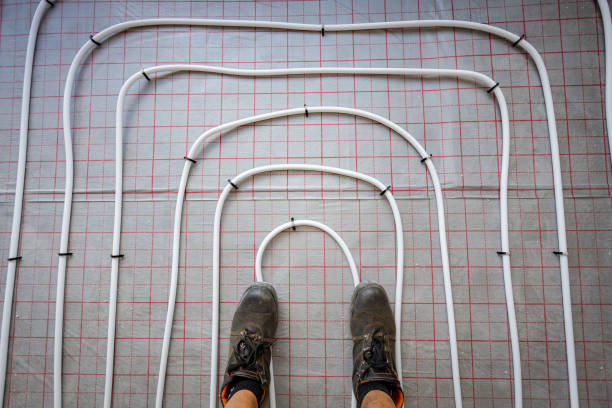
2. Radiant Floor Heating
PEX loops are embedded in concrete slabs or under subfloors to deliver even, efficient heating without bulky radiators.
3. Water Distribution Manifolds
With a central manifold system, PEX pipes run directly to each outlet, like a circuit board for water. This design increases water delivery efficiency and simplifies maintenance.
4. Renovations and Retrofits
Because PEX can be snaked through existing walls and floors, it’s ideal for replacing old copper or galvanized steel pipes in remodeling projects.
Buying Guide: What to Look for in PEX Water Piping
When choosing PEX water piping, consider the following:
Pipe Type (PEX-A, B, C)
- PEX-A is best for tight bends and expansion fittings
- PEX-B offers good performance at a lower cost
- PEX-C is suitable for basic cold-water systems
Color Coding
- Red for hot water
- Blue for cold water
- White or gray for universal use
Pipe Size
- Common sizes: 3/8", 1/2", 3/4", and 1"
- 1/2" and 3/4" are most used for residential water lines
Certifications
Look for pipes with:
- NSF 61 (safe for drinking water)
- NSF 14 (mechanical strength)
- ASTM F876 / F877 (performance standards)
✅ UV Protection
If used outdoors or exposed to sunlight, make sure the PEX has UV-resistant coatings or keep it shielded.
Installation Tips for PEX Water Piping
Installing PEX is relatively straightforward, but proper technique ensures long-lasting performance.
🛠 Tools Needed:
- PEX pipe cutter
- Crimp or clamp tool (for PEX-B)
- Expansion tool (for PEX-A)
- Go/No-Go gauge
- Fittings and connectors
🧩 Key Steps:
- Measure and cut the PEX pipe cleanly with a cutter.
- Insert fittings and use the appropriate connection method (crimp, clamp, or expansion).
- Check connections with a gauge.
- Label hot and cold lines for clarity.
- Support the pipe every 32–48 inches for horizontal runs.
⚠️ Things to Avoid:
- Do not expose PEX to open flames or UV light.
- Avoid over-crimping or under-crimping.
- Never use PEX near sharp edges or unprotected holes.
PEX vs Other Water Piping Materials
Here’s how PEX compares to traditional pipe types:
| Feature | PEX | Copper | PVC/CPVC |
|---|---|---|---|
| Flexibility | ✅ Excellent | ❌ Rigid | ❌ Rigid |
| Corrosion Resistance | ✅ Yes | ❌ Prone to corrosion | ✅ Yes |
| Cost | 💲 Affordable | 💲💲 Expensive | 💲 Affordable |
| Installation | 🔧 Easy | 🔧 Requires soldering | 🔧 Moderate |
| Noise Level | 🔇 Quiet | 🔊 Noisy | 🔇 Quiet |
| Lifespan | 40–50 years | 50+ years | 40–50 years |
| Freeze Resistance | ✅ Good | ❌ Poor | ❌ Poor |
Verdict:
PEX stands out for modern homes thanks to its ease of use, resistance to corrosion, and flexibility.
Final Thoughts
PEX water piping is one of the smartest choices for modern plumbing. Its adaptability, affordability, and proven performance make it a go-to solution for homeowners, plumbers, and builders alike.
Whether you're building a new house, upgrading an outdated system, or adding radiant heating, PEX provides a long-lasting and low-maintenance answer to your water supply needs.
Make the switch to PEX—and enjoy a quieter, more efficient, and more reliable water system for years to come.