
Introduction
Modern plumbing demands materials that are efficient, reliable, and energy-conscious. Among the many options available, insulated PEX (cross-linked polyethylene) stands out for its ability to maintain water temperature while preventing heat loss and pipe sweating. Whether you're installing hot or cold water systems, insulated PEX pipe offers a practical solution that balances performance and energy savings. In this guide, we'll explore the features, benefits, applications, and installation insights of insulated PEX pipe—helping you decide if it’s the right choice for your project.
Frequently Asked Questions (FAQ)
1. What is insulated PEX pipe used for?
It’s used to transport hot and cold water while minimizing heat loss or gain and protecting against freezing and condensation.
2. Is insulated PEX suitable for both residential and commercial systems?
Yes. It’s commonly used in homes, apartment buildings, schools, and hospitals for energy-efficient water delivery.
3. What type of insulation is used on PEX pipes?
Most insulated PEX uses closed-cell polyethylene or polyurethane foam insulation with a protective outer jacket.
4. Can insulated PEX be used underground?
Yes, many versions are designed for underground installation with moisture-resistant jackets.
5. Does insulated PEX reduce energy costs?
Yes. It helps retain hot water temperature, which reduces energy use for water heating.
What Is Insulated PEX?
Insulated PEX is standard PEX pipe—either PEX-A, PEX-B, or PEX-C—wrapped in a layer of thermal insulation. This insulation typically consists of:
- Foam insulation layer: Usually closed-cell PE or PU foam, which prevents heat transfer
- Outer jacket: A durable plastic covering that protects against moisture, abrasion, and UV exposure (for some models)
By combining flexibility, temperature resistance, and thermal efficiency, insulated PEX becomes a powerful tool for efficient plumbing systems.
Key Features and Benefits
1. Thermal Retention
Insulated PEX keeps hot water hotter for longer and cold water cooler, reducing energy losses in transit.
2. Condensation Prevention
When carrying cold water, insulated PEX prevents pipe sweating, which protects walls and ceilings from moisture damage.
3. Freeze Protection
In colder climates, insulation reduces the risk of water freezing inside pipes during winter.
4. Noise Reduction
The insulation layer dampens the sound of rushing water, especially in multi-story buildings.
5. Quick Installation
Because PEX is flexible, fewer fittings are needed, and insulated versions can be installed quickly with fewer supports.
Common Applications
Insulated PEX is used in various hot and cold water systems, including:
- Residential plumbing: Reduces energy use and protects piping in attics, crawl spaces, and basements
- Commercial buildings: Maintains water temperature over long distances
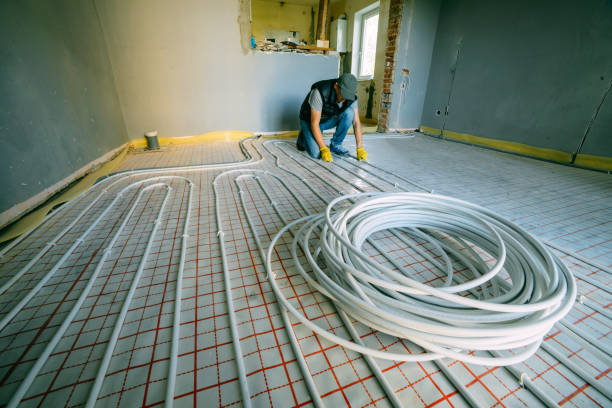
- Radiant heating: Insulated PEX prevents heat loss from the boiler to floor loops
- District heating: Pre-insulated PEX bundles are used for distributing hot water between buildings
- Underground installation: Keeps water flowing year-round while protecting pipes from ground temperature changes
How to Choose the Right Insulated PEX
When selecting insulated PEX pipe, consider the following factors:
Type of PEX (A, B, or C)
- PEX-A: Highest flexibility, ideal for expansion systems
- PEX-B: Good strength and cost-effective
- PEX-C: Budget-friendly and stiffest of the three
Insulation Thickness
- Thicker insulation offers better thermal performance, especially for long runs or outdoor use.
Outer Jacket
- For outdoor or underground use, choose pipes with waterproof or UV-resistant jackets.
Pipe Diameter
- Insulated PEX is available in sizes ranging from 1/2 inch to 2 inches or more. Match the pipe size to your system demand.
Certification
- Look for products certified by NSF, ASTM, or CSA to ensure safety and performance compliance.
Installation Tips
Installing insulated PEX is similar to standard PEX but with a few considerations:
- Plan Ahead
Account for the added thickness of insulation in wall cavities, pipe chases, and penetrations. - Use Compatible Fittings
Make sure you use expansion or crimp fittings depending on the PEX type. - Secure Properly
Support insulated pipe every 32–48 inches to prevent sagging due to extra weight. - Avoid Compression
Do not squash or damage the insulation when strapping or clamping the pipe. - Seal Penetrations
Use sealant or foam around holes to prevent air leaks and energy loss. - Label Pipes
Label insulated lines (hot/cold) clearly to avoid confusion during maintenance.
Comparison: Insulated PEX vs Non-Insulated PEX
| Feature | Insulated PEX | Non-Insulated PEX |
|---|---|---|
| Heat Loss/Gain | Minimizes temperature change | Prone to temperature fluctuations |
| Condensation Resistance | Excellent | Requires external insulation |
| Energy Efficiency | High | Moderate |
| Installation Complexity | Slightly more due to bulk | Easier to handle |
| Cost | Higher upfront | Lower initial cost |
| Freeze Protection | Better in cold climates | Poor without added insulation |
Conclusion
Insulated PEX is a smart solution for both hot and cold water systems, offering enhanced energy efficiency, temperature control, and protection against condensation and freezing. While the initial cost may be higher than standard PEX, the long-term benefits—especially in energy savings and system longevity—make it a worthwhile investment for residential and commercial plumbing systems alike. If you're building or upgrading a plumbing system that prioritizes performance and comfort, insulated PEX is well worth considering.