
Introduction: The Rising Popularity of PEX in Homes
PEX Plumbing System has revolutionized residential plumbing by offering an efficient, cost-effective, and durable alternative to traditional materials like copper and PVC. Homeowners and contractors increasingly prefer PEX for new builds and renovations due to its flexibility, reliability, and ease of installation.
This article explains why PEX is ideal for residential plumbing systems and highlights its key benefits.
Frequently Asked Questions (FAQ)
1. What does PEX stand for?
PEX means cross-linked polyethylene, a type of flexible plastic tubing used for water supply.
2. Is PEX safe for drinking water?
Yes, PEX meets strict standards like NSF/ANSI 61 to ensure water safety.
3. Can PEX be used for both hot and cold water?
Absolutely. PEX pipes are rated for both hot and cold water applications.
4. How long does PEX last?
With proper installation, PEX piping lasts 40-50 years or more.
5. Does PEX require special installation tools?
Yes, depending on the PEX type, tools like crimpers, clamps, or expansion tools are used.

What Makes PEX Perfect for Residential Plumbing?
1. Flexibility and Ease of Installation
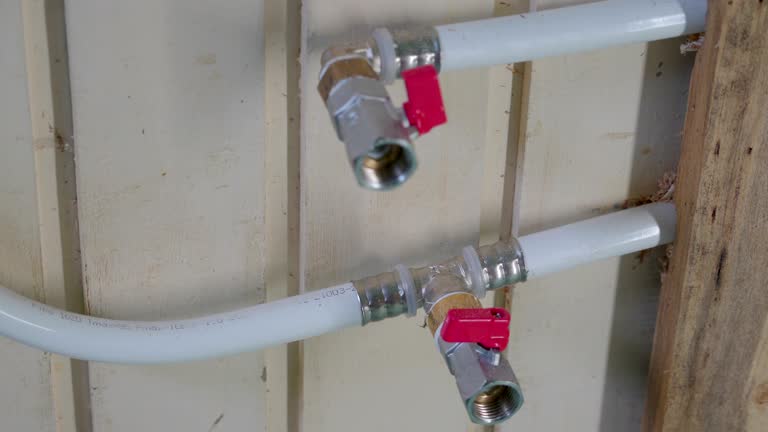
PEX pipes are highly flexible, allowing easy routing around corners and through walls without numerous fittings. This reduces installation time, labor costs, and potential leak points.
2. Corrosion and Scale Resistance
Unlike metal pipes, PEX doesn’t corrode or accumulate scale over time, ensuring consistent water flow and fewer maintenance issues.
3. Durability and Longevity
PEX resists cracking, freezing, and chemical degradation, giving homeowners peace of mind for decades.
4. Quiet Water Flow
PEX pipes minimize water hammer and reduce noise from water movement, enhancing home comfort.
5. Cost-Effectiveness
PEX materials and installation are often less expensive than copper or rigid plastic piping, making it budget-friendly without compromising quality.
Common Applications in Residential Plumbing
- Water Supply Lines: Hot and cold water delivery throughout kitchens, bathrooms, and laundry rooms.
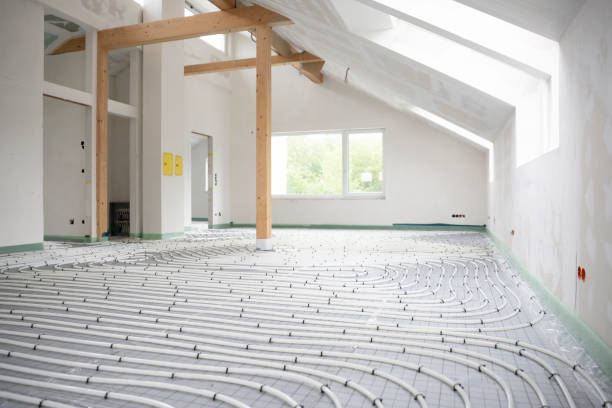
- Radiant Floor Heating: Flexible PEX tubing is perfect for embedding in floors for efficient heating.
- Manifold Systems: Centralized water distribution with individual lines to each fixture improves water pressure and control.
- Retrofits and Repairs: Easily installed in existing structures, reducing demolition and labor costs.
Choosing the Right Type of PEX for Your Home
PEX comes mainly in three types—PEX-A, PEX-B, and PEX-C—with PEX-A and PEX-B being most common for residential use. PEX-A offers superior flexibility and freeze resistance, while PEX-B is more rigid and cost-effective. Selecting the right type depends on installation needs and budget.
Installation Tips for Residential PEX Systems
- Use proper tools based on your PEX type.
- Support pipes every 32 to 48 inches on horizontal runs.
- Avoid exposure to UV light; keep PEX covered or shielded.
- Label hot and cold water lines clearly.
- Test the system for leaks before closing walls.
PEX Compared to Other Plumbing Materials
| Feature | PEX | Copper | PVC/CPVC |
|---|---|---|---|
| Flexibility | High | Low | Low |
| Corrosion Resistance | Excellent | Moderate | Excellent |
| Installation Speed | Fast | Moderate | Moderate |
| Cost | Affordable | Expensive | Affordable |
| Noise | Quiet | Noisy | Quiet |
| Lifespan | 40–50 years | 50+ years | 40–50 years |
Conclusion: Why Homeowners Prefer PEX
PEX piping’s unique combination of flexibility, durability, cost savings, and ease of installation makes it the ideal choice for residential plumbing systems. Whether you’re building a new home or upgrading an existing one, PEX provides a reliable, efficient, and long-lasting solution that homeowners trust.