
Introduction
When it comes to vehicle safety and performance, the quality of brake components is non-negotiable. Among these components, the braided brake hose plays a crucial role in ensuring consistent and responsive braking. Unlike traditional rubber brake lines, braided hoses offer enhanced durability, reduced expansion under pressure, and longer service life. This article explores everything you need to know about braided brake hoses — from their basic definition and unique characteristics to their main uses across different industries. We’ll also answer the most frequently asked questions to help you make an informed decision whether you're an automotive technician, supplier, or vehicle owner.
Frequently Asked Questions (FAQ)
1. What is a braided brake hose, and how does it differ from a rubber one?
A braided brake hose consists of a Teflon (PTFE) or synthetic inner tube reinforced with stainless steel or nylon braiding. This design prevents the hose from expanding under pressure, offering more consistent braking performance than traditional rubber hoses.
2. How long do braided brake hoses last?
With proper installation and regular inspection, braided brake hoses can last anywhere from 5 to 10 years, depending on the operating environment and usage conditions.
3. Are braided brake hoses suitable for all types of vehicles?
Yes, they are used in a wide variety of vehicles, from motorcycles and racing cars to heavy-duty trucks and off-road equipment. However, it's important to choose the right hose type and fittings compatible with the specific braking system.
4. Can I install braided brake hoses myself?
While installation is technically possible for experienced DIYers, professional installation is recommended to ensure proper routing, torqueing of fittings, and air removal from the system.
5. Do braided brake hoses require more maintenance?
Not necessarily. Although they are more durable, it's still important to check them periodically for signs of wear, abrasion, or leaks—especially in high-performance or harsh conditions.
Basic Definition and Key Features
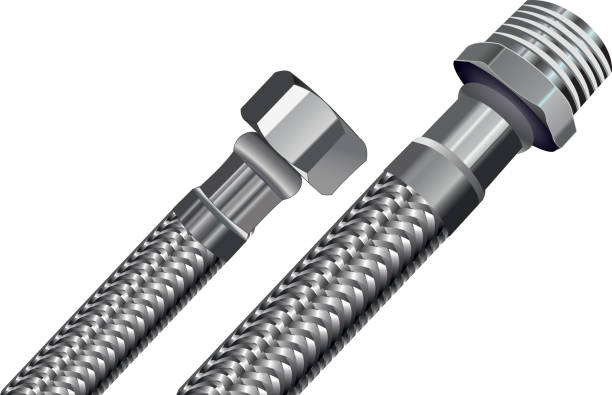
A braided brake hose is a flexible tube designed to carry hydraulic brake fluid from a vehicle's master cylinder to its brake calipers or wheel cylinders. It typically includes:
- Inner Core: Made from PTFE (Teflon), which is resistant to corrosion, high pressure, and heat.
- Braided Layer: Often made from stainless steel or Kevlar, this outer braid adds strength and prevents expansion.
- Protective Coating: Many hoses feature an external layer of PVC or polyurethane for abrasion resistance and aesthetics.
Compared to traditional rubber brake hoses, braided types offer several notable advantages:
- Higher Pressure Resistance: They don’t balloon under pressure, allowing for a firmer brake pedal feel.
- Improved Heat Resistance: Ideal for high-performance or racing environments where brake temperatures soar.
- Longer Lifespan: Resistant to UV, chemicals, and ozone, they typically outlast rubber hoses.
- Reduced Flexing and Deformation: This ensures more consistent fluid delivery to the brakes.
These features make braided brake hoses a preferred choice for drivers seeking better control and longer-lasting brake systems.
Common Uses and Industry Applications
Due to their high-performance capabilities and durability, braided brake hoses are widely used across various industries and vehicle types.
1. Automotive Industry
Braided brake hoses are extensively used in performance cars, sports cars, and daily drivers that demand better braking response. They're often found in:
- Sports sedans
- SUVs
- Electric vehicles (EVs)
- Classic car upgrades
In all these vehicles, the enhanced stability of braided hoses improves braking performance under sudden or heavy loads.
2. Motorcycle Sector
Motorcycles rely heavily on responsive brakes due to their design and maneuverability. Braided brake hoses ensure:
- Precise braking feel
- High reliability under aggressive riding conditions
- Resistance to vibration and wear
They are especially common in racing and touring motorcycles.
3. Motorsports and Racing
In motorsports, fractions of a second matter. Braided hoses are standard in:
- Formula and rally cars
- Track bikes
- Drag racing vehicles
These environments require top-tier braking systems, and the braided design supports rapid heat dissipation and consistent hydraulic pressure.
4. Commercial and Heavy-Duty Vehicles
Trucks, buses, and off-road machinery often work in extreme environments. Braided hoses withstand:
- High pressure over long duty cycles
- Abrasive terrain and chemical exposure
- Constant vibration and thermal expansion
Fleet operators rely on them to reduce maintenance costs and avoid brake failures.
5. Aerospace and Aviation
Aircraft require lightweight yet strong braking systems. Braided brake hoses are used in:
- Small aircraft hydraulic brake systems
- Helicopter landing gears
- Military equipment
Their corrosion resistance and structural integrity make them ideal for high-altitude applications.
Factors Influencing the Quality of Braided Brake Hoses
Not all braided brake hoses are made equal. Several factors determine the true quality of these components:
- Material Grade: The inner core and braid materials must be certified for automotive or aviation use.
- Manufacturing Process: Precision in crimping, welding, and fitting assembly ensures leak-free performance.
- Compliance with Standards: Look for hoses that meet SAE J1401, FMVSS106, or ISO standards.
- End Fittings: High-quality fittings prevent leaks and offer proper attachment to calipers and master cylinders.
- Flexibility and Routing: The hose should retain flexibility while resisting kinks and deformation during installation.
Choosing a well-manufactured, tested hose is essential for maintaining vehicle safety and system longevity.
Testing and Certification Standards
Quality assurance in braided brake hoses is ensured through rigorous testing such as:
- Burst Pressure Testing: Ensures the hose can withstand 3 to 4 times the maximum system pressure.
- Flex and Bend Testing: Confirms resistance to repeated movement and flexing.
- Temperature Resistance Testing: Verifies performance under hot and cold conditions.
- Leakage Testing: Confirms airtight hydraulic performance under real-world pressures.
Certified hoses often bear marks or documentation proving compliance with industry standards. These indicators help buyers distinguish between reliable and subpar products.
Benefits of Using High-Quality Braided Brake Hoses
Investing in a premium braided brake hose results in several long-term advantages:
- Enhanced Driving Safety: Better response and consistent braking performance reduce stopping distances.
- Lower Maintenance Costs: Durable materials mean fewer replacements and system checks.
- Professional Appearance: Braided hoses often improve the visual appeal of engine bays and wheel wells.
- Custom Fit Options: Many brands offer customizable lengths and fittings for specific applications.
Conclusion
Braided brake hoses are more than just performance upgrades—they are critical safety components that influence braking precision, longevity, and reliability. Whether you're upgrading your vehicle, building a racing machine, or maintaining a heavy-duty fleet, choosing high-quality braided brake hoses ensures optimal performance in all conditions. By understanding their structure, materials, and testing standards, you can make smarter purchasing and installation decisions that enhance both safety and value. For any brake system, quality hoses are not an option — they are a necessity.