
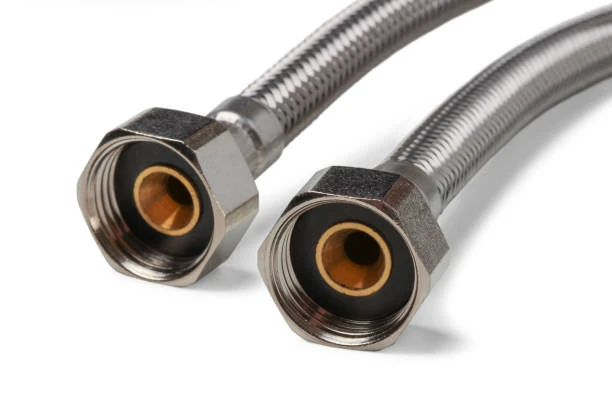
In the automotive world, safety and performance go hand in hand—and one critical component that often gets overlooked is the braided brake hose. While it may seem like a simple part, its quality can dramatically affect braking efficiency, pedal feel, and overall safety on the road. Compared to standard rubber hoses, braided brake hoses offer superior strength, durability, and resistance to expansion under pressure. This article explores why quality is key when choosing a braided brake hose, from how it's built to where it's used and how to identify a reliable product. Whether you're upgrading your vehicle's braking system or simply learning the basics, understanding this essential component can save you from costly repairs—or worse, dangerous failures.
Frequently Asked Questions About Braided Brake Hoses
1. What is the main difference between rubber and braided brake hoses?
Rubber hoses tend to expand under pressure, especially as they age, which can cause a spongy brake feel. Braided hoses, reinforced with stainless steel mesh, resist expansion and deliver a firmer, more responsive pedal.
2. How long does a braided brake hose typically last?
High-quality braided brake hoses can last anywhere from 5 to 10 years or more, depending on usage and environmental conditions. Unlike rubber hoses, they are less prone to cracking or swelling.
3. Are braided brake hoses street-legal?
Yes, most braided brake hoses are legal for street use if they comply with safety standards such as DOT, SAE, or ISO. Always verify local regulations and certifications before installation.
4. Can I install braided brake hoses myself?
While technically possible, it’s recommended to have them installed by a professional mechanic. Brake systems are critical for safety, and any mistake can result in serious consequences.
5. Does upgrading to a braided brake hose improve braking power?
Not directly, but it improves pedal response and brake modulation. This gives the driver better control and can make the braking system feel more powerful and consistent.
What Is a Braided Brake Hose? Definition and Key Features
A braided brake hose is a type of flexible tubing used in hydraulic brake systems to transfer fluid from the master cylinder to the brake calipers. What sets it apart is its construction. Instead of relying solely on rubber, these hoses have a layer of braided stainless steel mesh around the inner core, often made of Teflon (PTFE) or synthetic rubber.
Here are some of the key features that define a high-quality braided brake hose:
- Reinforced Structure: The stainless steel braiding prevents expansion, ensuring consistent brake pressure.
- Heat Resistance: The materials used can handle high temperatures without softening or degrading.
- Corrosion Resistance: The outer metal mesh protects against road debris, moisture, and chemicals.
- Flexible Design: Despite their strength, braided hoses remain flexible enough to fit around tight corners and suspension components.
- Minimal Swelling: Less expansion under pressure means improved braking response and longevity.
These qualities make braided brake hoses the preferred choice for performance vehicles and motorsports.
Common Uses and Industries That Rely on Braided Brake Hoses
Although braided brake hoses are most commonly associated with high-performance vehicles, their use extends far beyond that. These hoses are essential in many sectors where precise and reliable braking is non-negotiable.
1. Automotive and Racing
Sports cars, track cars, and modified vehicles often come equipped with or are upgraded to braided hoses. They provide consistent brake feel even under repeated high-temperature braking.
2. Motorcycles
Motorcycles, especially sport and racing models, benefit from the enhanced braking precision that braided hoses deliver. In high-speed environments, every bit of pedal feel matters.
3. Heavy-Duty Trucks and Buses
Commercial vehicles that carry heavy loads need strong, reliable brake lines. Braided hoses offer durability and resistance to wear and tear from constant use.
4. Aviation and Aerospace
Aircraft systems demand extreme reliability, and braided hoses are used in both hydraulic and fuel systems. Their strength and heat resistance make them a natural fit for these demanding applications.
5. Industrial Machinery
Equipment used in construction, agriculture, and manufacturing often relies on hydraulic braking systems. Braided brake hoses are favored for their ruggedness and resistance to contamination.
In all these applications, quality is paramount. A faulty brake line can lead to brake failure, which is not only costly but potentially fatal.
The Importance of Choosing High-Quality Braided Brake Hoses
Now that you understand the structure and uses of braided brake hoses, let’s talk about why quality matters.
Consistent Performance
Low-quality hoses may use substandard materials that expand or degrade quickly. In contrast, premium hoses maintain their shape and function over time, even in harsh environments.
Safety First
Brake failure due to a ruptured or swollen hose is a serious risk. Investing in a high-quality product reduces the chance of leaks, bulges, or bursts under pressure.
Long-Term Value
Though braided hoses cost more upfront than rubber ones, their durability means fewer replacements and lower maintenance costs in the long run.
Compatibility and Certification
Reputable manufacturers ensure that their hoses are compliant with international safety standards like DOT (Department of Transportation) or SAE (Society of Automotive Engineers). This not only ensures safety but also legal compliance for street use.
Better Driving Experience
Whether you're on the racetrack or daily commuting, the improved feedback and consistency offered by braided brake hoses make for a more confident and enjoyable drive.
Signs of a Quality Braided Brake Hose
To avoid cheap imitations, here are a few signs to look for when choosing a quality braided brake hose:
- Brand Reputation: Choose brands with a track record in the braking industry.
- Material Certification: Look for details on Teflon inner core and stainless steel mesh.
- End Fittings: High-quality hoses use stainless steel or zinc-plated fittings to resist corrosion.
- Protective Coatings: Some hoses feature a clear PVC outer layer to protect the braid and prevent fraying.
- Manufacturing Standards: Ensure the hose complies with DOT, ISO, or other recognized standards.
These markers can help you make an informed purchase and avoid hoses that may fail prematurely.
Summary: Quality is Non-Negotiable in Braided Brake Hoses
In conclusion, braided brake hoses are more than just an upgrade—they’re a safety-critical component that significantly improves braking performance, especially in demanding conditions. Their reinforced structure resists pressure expansion, improves pedal feel, and withstands extreme temperatures. Used across multiple industries—from racing to aviation—the common denominator is always quality.
When selecting a braided brake hose, don’t compromise. Look for proven materials, trusted brands, and certified standards. It may cost a bit more upfront, but the performance, safety, and longevity you gain make it a smart investment.