
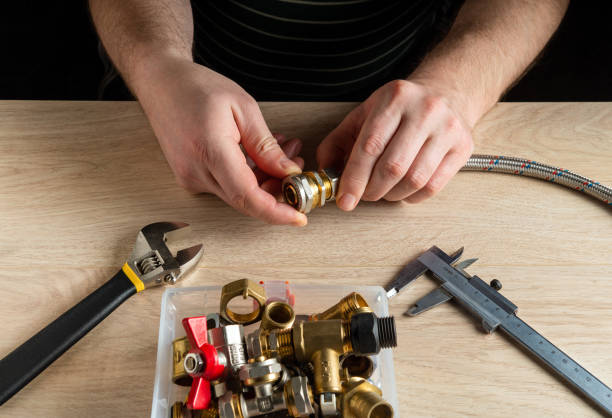
Braided hose flexible systems have become indispensable in industries requiring reliable fluid and gas transfer under extreme pressure conditions. Their reinforced construction enables operation in demanding environments, from hydraulic systems to chemical processing plants. This article explores the pressure resistance capabilities of braided hoses, providing insights into their design, applications, and selection criteria for high-pressure environments.
Common Pressure-Related Questions (FAQ)
1. What materials enhance pressure resistance in flexible braided hoses?
Stainless steel 316L and polyester fibers are commonly used for reinforcement. Stainless steel provides superior pressure resistance up to 600 bar, while polyester offers flexibility for lower-pressure applications. The inner tube material, such as PTFE or EPDM rubber, also affects pressure handling capabilities.
2. How do braided hoses maintain structural integrity under high pressure?
The braiding process distributes pressure evenly across the hose wall. Precision-woven metal or synthetic fibers create a mesh that prevents expansion and minimizes stress concentration. This construction allows hoses to withstand 3-10 times higher pressures than non-reinforced alternatives.
3. What pressure ratings are typical for flexible braided hoses?
Pressure ratings vary by material and construction. PVC braided hoses typically handle 4-20 bar, stainless steel variants manage 60-600 bar, and specialized hydraulic hoses reach up to 1,000 bar. Always verify manufacturer specifications for your application.
4. How does temperature affect pressure resistance?
High temperatures reduce material strength, lowering effective pressure ratings. For example, EPDM rubber loses 20% of its pressure resistance at 150°C compared to ambient conditions. Stainless steel braided hoses maintain stability up to 500°C, making them suitable for high-temperature hydraulic systems.
5. What maintenance practices ensure continued pressure resistance?
Regularly inspect for abrasion, corrosion, or fittings wear. Replace hoses showing outer layer degradation or reduced flexibility. Implement pressure testing every 6-12 months using calibrated equipment to verify performance.
Technical Architecture of Pressure-Resistant Braided Hoses
Modern flexible braided hoses integrate three engineered layers designed for pressure management:
- Inner Tube: Directly contacts transported media. Options include:
- PTFE (chemical/high-temperature applications)
- EPDM rubber (water/steam systems)
- Nylon 11 (hydraulic oil transfer)
- Reinforcement Layer: The pressure-resistant core. Configurations vary:
- Single Braided: 304 stainless steel wire (8-12% elongation)
- Double Braided: Polyester yarn over steel core (20% more flexible)
- Spiral-Wound: Heavy-duty applications requiring 1,000+ bar resistance
- Outer Jacket: Protects against environmental factors. Choices include:
- Polyurethane (abrasion resistance)
- Silicone (UV stability)
- PVC (chemical resistance)
The braiding process uses CNC machines to interlace wires/fibers at precise angles. This construction enables stainless steel variants to achieve 1.5mm bend radius per meter while maintaining 85% of rigid pipe pressure ratings.
High-Pressure Applications Across Industries
Braided hose flexible solutions meet stringent pressure requirements in diverse sectors:
Automotive Engineering
- Turbocharger cooling lines withstand 200 bar oil pressures
- Fuel injection systems operate at 2,000 psi (138 bar)
- Convoluted stainless steel hoses manage exhaust system vibration
Chemical Processing
- PTFE-lined hoses transfer concentrated sulfuric acid at 100 bar
- Glass-fiber reinforced variants handle molten salt up to 450°C/150 bar
- Dual-braided designs resist swelling in aggressive solvent environments
Energy Sector
- Hydraulic fracturing operations exceed 700 bar pressures
- Geothermal steam systems require 350°C/150 bar capabilities
- Offshore oil platforms use hoses rated for 10,000 psi (690 bar)
Medical Equipment
- Platinum-cured silicone hoses maintain sterile pressure gradients in dialysis
- PTFE-lined variants deliver chemotherapy drugs under 50 bar pressure
- Surgical robots use electrically conductive braiding for ESD prevention
Aerospace
- Aircraft hydraulic systems operate at 300 bar
- Spacecraft fuel lines withstand 1,000+ bar during launch phases
- Cryogenic hoses manage liquid hydrogen at -253°C/50 bar
Selection Criteria for Pressure-Resistant Hoses
Choosing the right braided hose involves balancing five key factors:
- Pressure Profile: Continuous vs. pulsatile flow requirements
- Media Compatibility: Chemical resistance and viscosity considerations
- Thermal Conditions: Operating temperature range and fluctuations
- Certification Needs: SAE, ISO, or ATEX compliance requirements
- Installation Constraints: Available space and motion requirements
For example, concrete pump hoses need 85 bar pressure resistance with abrasion-resistant covers, while medical dialysis machines require PTFE-lined hoses rated for 2 bar sterile flow.
Future Innovations in Pressure-Resistant Technology
Material science breakthroughs promise enhanced capabilities:
- Graphene-enhanced stainless steel: 40% higher pressure ratings
- Nanofiber braiding: 50% lighter hoses with 3x fatigue resistance
- Smart hoses: Embedded pressure sensors for real-time monitoring
- Bio-based polymers: Reduce carbon footprint in disposable medical hoses
Researchers are also exploring shape-memory alloys for self-adjusting configurations and 4D-printed braiding patterns that automatically adapt to pressure changes.
Conclusion
Braided hose flexible systems represent the pinnacle of pressure-resistant engineering. Their ability to maintain structural integrity under extreme loads while providing necessary flexibility makes them indispensable in industries from automotive manufacturing to aerospace. As pressure requirements continue to rise in advanced applications like hydrogen fuel systems and deep-sea exploration, ongoing innovations in material science and braiding technology will ensure these hoses remain critical components in global infrastructure.