
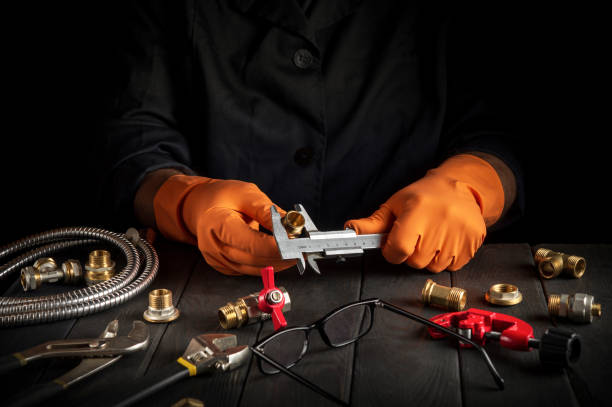
Flexible braided hoses play a vital role in the modern chemical industry. Designed to transport various types of fluids and gases under pressure, they offer both flexibility and strength—qualities that are essential for safe and efficient chemical processes.
As chemical plants continue to prioritize safety, automation, and productivity, the demand for high-performance flexible hoses has increased. This article explores the importance of braided flexible hoses in chemical applications, including their features, benefits, common uses, and considerations for selection. Whether you're an engineer, procurement manager, or technical consultant, understanding the role of these hoses can help you make informed decisions in system design and maintenance.
Frequently Asked Questions (FAQ)
1. What makes braided flexible hoses suitable for chemical applications?
Braided flexible hoses are designed to resist chemical corrosion, maintain structural integrity under high pressure, and provide flexibility in confined installations. These characteristics make them ideal for safely transferring aggressive chemicals.
2. What materials are commonly used in braided hoses for chemical use?
Common materials include stainless steel for the braiding, and inner cores made of PTFE, EPDM, or other chemical-resistant polymers. The choice of material depends on the specific chemicals being handled.
3. Can braided flexible hoses handle both liquid and gas chemicals?
Yes, many braided hoses are rated for both liquid and gaseous chemicals. However, it’s crucial to check the hose’s specifications to ensure compatibility with the intended medium.
4. How long do braided hoses typically last in chemical environments?
With proper material selection and maintenance, braided hoses can last several years in chemical environments. Lifespan depends on usage conditions, including temperature, pressure, and chemical exposure.
5. Are flexible braided hoses compatible with automation systems in chemical plants?
Absolutely. Their flexibility and durability make them a great fit for automated equipment and systems requiring dynamic movement or precision routing of fluids.
Definition and Key Characteristics of Braided Hose Flexible
A braided flexible hose is a type of tubing designed for conveying fluids under pressure. It consists of an inner core made of rubber, thermoplastics, or fluoropolymers, surrounded by a woven (braided) reinforcement. This outer braid is typically made from stainless steel, polyester, or nylon, which gives the hose additional strength while preserving its ability to bend and flex.
In chemical applications, the internal lining of the hose must resist corrosion and prevent chemical reactions. PTFE (Polytetrafluoroethylene), for example, is a popular lining material due to its inert properties. The braiding, especially when made from stainless steel, protects the hose from mechanical damage and pressure surges, while also providing a long service life.
Key characteristics include:
- Chemical resistance: The hose materials are selected to resist aggressive substances like acids, alkalis, solvents, and oils.
- High-pressure tolerance: The braided layer significantly increases pressure capacity.
- Flexibility: Even in tight or confined spaces, these hoses can be routed without kinking.
- Temperature resistance: Suitable for high and low temperature fluids, often ranging from -70°C to over 200°C depending on the design.
- Vibration absorption: They reduce system vibrations, protecting surrounding equipment.
Common Applications in the Chemical Industry
Braided flexible hoses serve a wide range of purposes across chemical manufacturing and processing. Below are some of the key application areas:
1. Chemical Transfer Lines
One of the most common uses of braided hoses is in transferring chemicals from one container or system to another. Their chemical resistance and flexibility make them ideal for handling acids, caustics, solvents, and other reactive substances.
2. Reactor and Vessel Connections
In chemical reactors, mixing tanks, and pressure vessels, flexible braided hoses help connect various parts of the system. Their ability to absorb thermal expansion and movement is crucial in such dynamic environments.
3. Instrumentation and Sampling Systems
Their precision and tight sealing capabilities are vital for accurate sampling without contamination or leaks.
4. Steam and Cooling Lines
Chemical processing often requires both heating and cooling. Braided hoses that can handle hot steam or chilled fluids help regulate temperature in reactors or separation equipment. Their durable design ensures reliable operation even with rapid thermal cycling.
5. Automated Filling and Dispensing Systems
In modern automated plants, filling and dispensing systems rely on braided hoses for safe, repeatable operation. Their flexibility and abrasion resistance make them ideal for moving parts and robotic arms.
Advantages of Braided Hoses in Chemical Operations
The use of braided flexible hoses brings several benefits to chemical processing systems:
- Improved safety: The braided structure reduces the risk of hose bursts and leaks, even under high pressure or in aggressive environments.
- Reduced downtime: High durability means fewer failures, less frequent replacements, and more reliable operation.
- Ease of installation: These hoses can be routed around obstacles or tight corners, simplifying system layouts and reducing installation time.
- Compatibility: With various material and size options, they can be matched precisely to the fluid type, pressure, and temperature needs.
- Cost-effectiveness: While the initial cost may be higher than basic rubber hoses, the longevity and reduced maintenance requirements often result in long-term savings.
Considerations When Selecting a Braided Hose for Chemical Use
When choosing the right braided hose for a chemical application, it’s important to evaluate a few critical factors:
- Chemical compatibility: Use chemical compatibility charts to ensure the inner core material won’t degrade or react with the chemical.
- Pressure and temperature ratings: Select hoses rated appropriately for the maximum expected pressure and temperature.
- Flexibility needs: Consider bend radius and movement frequency, especially in systems with dynamic motion.
- Fitting and connection types: Choose fittings (such as flanges, threaded, or quick-connect) compatible with your system and chemical standards.
- Compliance and standards: Ensure the hose meets industry standards such as ISO, ASTM, or specific safety certifications required in your region or industry.
Summary
Flexible braided hoses are indispensable in the chemical industry. Their unique combination of strength, chemical resistance, and flexibility allows them to safely transport hazardous and reactive substances in a wide range of applications. From chemical transfer lines and reactors to automated filling systems and lab instrumentation, these hoses contribute to the reliability, safety, and efficiency of modern chemical operations.
By understanding the properties, uses, and considerations for selecting the right braided flexible hose, engineers and decision-makers can ensure optimal system performance while minimizing risks and costs. As the industry continues to evolve toward more sustainable and automated processes, the importance of high-quality hose components will only grow.
Whether you’re upgrading an existing system or designing a new one from scratch, incorporating the right flexible braided hose can make a significant difference in long-term operational success.