
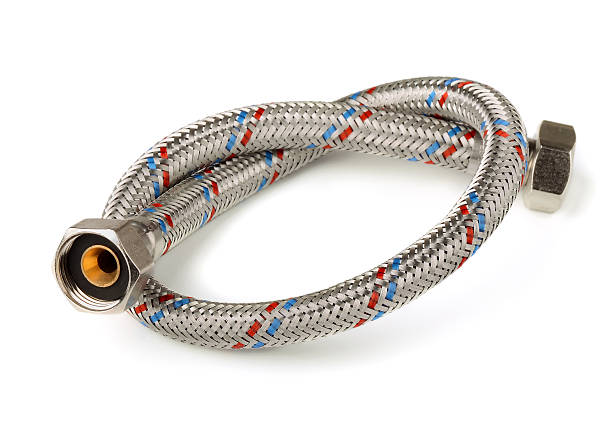
Braided rubber hoses have become an essential component in modern engineering, plumbing, automotive systems, and industrial operations. Known for their durability, flexibility, and high-pressure resistance, these hoses serve a wide range of purposes from transferring fluids to supplying air or gas in critical applications. In this article, we will explore the primary uses of braided rubber hoses, define their key characteristics, and understand the industries that rely on them the most.


Frequently Asked Questions (FAQ)
1. What is a braided rubber hose used for?
Braided rubber hoses are commonly used to transport liquids and gases under pressure in industries such as automotive, construction, agriculture, and manufacturing.
2. Are braided rubber hoses heat-resistant?
Yes, many braided rubber hoses are designed to withstand high temperatures, making them ideal for use in hot water, steam, or engine cooling systems.
3. Can I use a braided rubber hose for drinking water?
Only if the hose is certified for potable water use. Some are designed for safe contact with drinking water, while others are meant strictly for industrial or chemical applications.
4. How long does a braided rubber hose last?
Depending on the quality, environment, and frequency of use, a braided rubber hose can last anywhere from 3 to 10 years or more.
5. What’s the difference between braided rubber hoses and plain rubber hoses?
Braided hoses have an added reinforcement layer (usually made of stainless steel or synthetic fiber) that improves strength, pressure resistance, and flexibility compared to standard rubber hoses.
Definition and Key Characteristics of Braided Rubber Hoses
A braided rubber hose is a flexible conduit constructed from inner rubber tubing reinforced by one or more braided layers. These braided layers may consist of stainless steel, polyester, or aramid fiber, depending on the intended application. The outer rubber coating protects the hose from abrasion, weather, and chemicals.
Some of the most important characteristics include:
- Flexibility: The rubber core ensures that the hose can bend without cracking or losing structural integrity.
- Pressure Resistance: The braided layer enhances the hose’s ability to handle high internal pressures.
- Temperature Tolerance: Many braided rubber hoses can perform reliably under both extremely high and low temperatures.
- Durability: The materials used provide resistance against wear, chemicals, UV rays, and mechanical stress.
- Compatibility: They can carry a wide range of fluids including water, oils, coolants, air, and certain chemicals.
Thanks to this combination of strength and flexibility, braided rubber hoses are trusted in many mission-critical systems.
Common Uses and Application Industries
Now let’s take a closer look at the most common uses and the sectors where braided rubber hoses are essential:
1. Automotive Industry
One of the most well-known uses for braided rubber hoses is in vehicles. These hoses are commonly used in:
- Fuel lines: To transport gasoline or diesel from the tank to the engine.
- Cooling systems: For transporting coolant and radiator water.
- Brake systems: Specialized braided hoses are used in hydraulic braking systems.
- Air conditioning units: For refrigerant flow in car AC systems.
These hoses need to be highly reliable, as any failure could compromise the vehicle’s operation or safety.
2. Construction and Plumbing
In buildings and construction sites, braided rubber hoses are often seen in:
- Water supply lines: Such as those connecting water heaters, washing machines, or dishwashers.
- Temporary water distribution: On construction sites for tools or emergency water setups.
- High-pressure cleaning equipment: Hoses used with pressure washers or industrial sprayers.
Their flexibility makes them ideal for tight spaces or connections between moving parts.
3. Industrial Manufacturing
In factories and industrial facilities, braided rubber hoses help with:
- Pneumatic tools: Delivering compressed air to drills, grinders, or jackhammers.
- Chemical transport: Carrying corrosive or reactive substances safely.
- Hydraulic equipment: Providing the link between pumps, cylinders, and control valves.
Manufacturers prefer these hoses due to their excellent performance under high pressure and chemical exposure.
4. Agriculture and Irrigation
Farms and greenhouses use braided rubber hoses in a variety of roles:
- Irrigation systems: For delivering water to crops over long distances.
- Fertilizer and pesticide spraying: Carrying chemical solutions to sprayers.
- Machinery operations: Hydraulic connections in tractors and agricultural tools.
Braided hoses in this field must be UV-resistant and flexible even in outdoor temperatures.
5. Food and Beverage Industry
Certain food-grade braided rubber hoses are used for:
- Transferring drinking water: In bottling plants or portable setups.
- Milk or beverage handling: In dairy or juice production.
- Cleaning systems (CIP): For steam or cleaning fluid lines.
Food-grade hoses must be certified as safe, non-toxic, and easy to sanitize.
6. Marine and Aviation
These hoses are also crucial in marine and aerospace environments:
- Fuel lines: In boats, aircraft, and ships.
- Cooling and air systems: Regulating temperature or pressure in cabins.
- Oil transport: For hydraulic and lubrication systems.
Due to the extreme conditions in these applications, hoses are selected for vibration resistance, saltwater corrosion, and pressure endurance.
Summary
The braided rubber hose is a small but powerful tool that supports a wide variety of essential systems across multiple industries. Thanks to its unique combination of strength, flexibility, and chemical resistance, it remains the go-to solution for fluid and air transfer under pressure.
From automotive repairs to agricultural irrigation, and from factory automation to household plumbing, braided rubber hoses continue to prove their value every day. Understanding their uses helps engineers, installers, and consumers make better choices for safety, performance, and cost-effectiveness.
When choosing a braided rubber hose, always consider the specific pressure rating, temperature range, chemical compatibility, and certification needs of your project. A well-matched hose can significantly enhance the safety and efficiency of the entire system it supports.