
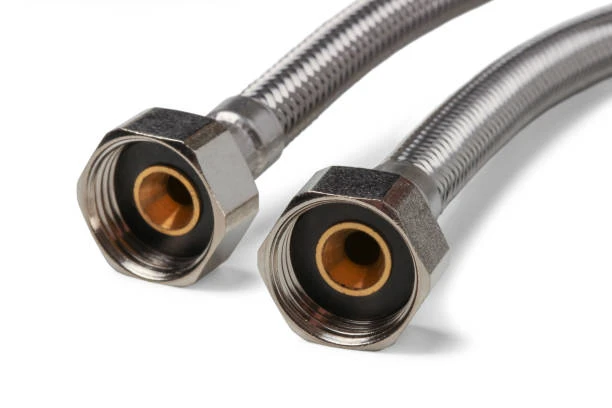
Drain Water Hose and Its Environmental Role: A Practical Guide
In a world where sustainable practices are more important than ever, every product choice matters—including something as simple as a drain water hose. These hoses play a crucial role in water discharge systems across homes, industries, and agriculture. While their main function is to manage excess water or wastewater, their environmental impact often goes unnoticed. By choosing eco-friendly drain water hoses and using them correctly, both individuals and businesses can reduce water waste, prevent soil erosion, and support long-term environmental health.
This article explains what a drain water hose is, outlines its environmental benefits, answers common questions, and shows how it contributes to sustainable living in various industries. If you're looking to better understand how even small tools can affect the planet, keep reading.
Frequently Asked Questions (FAQ)
1. What is the environmental benefit of using a high-quality drain water hose?
A well-designed hose helps direct water efficiently, reducing water waste, preventing flooding, and avoiding contamination of soil and nearby water sources.
2. Can drain water hoses be made from eco-friendly materials?
Yes. Many manufacturers now use recycled plastics or biodegradable polymers to reduce environmental impact. Some hoses are also designed for long-term use, minimizing plastic waste.
3. How does a drain water hose prevent pollution?
By channeling dirty or chemically-treated water safely to the correct disposal area, these hoses help prevent runoff into gardens, rivers, or the water table.
4. Are these hoses reusable or recyclable?
Many models are reusable and some are recyclable, depending on the material. It’s important to check product labels and local recycling guidelines.
5. Can a drain water hose help conserve water?
Yes. In agricultural or industrial settings, some systems collect and reuse drain water for non-potable uses like irrigation, helping reduce total water consumption.
Basic Definition and Key Features
Modern drain hoses come in various lengths, diameters, and materials. Common materials include PVC, polyethylene, or rubber—each offering different levels of flexibility, temperature resistance, and durability. Many drain hoses also feature corrugated surfaces, which improve flexibility and strength while allowing easy routing through tight spaces.
Some models are designed to resist UV rays, high pressure, or chemicals, making them suitable for more demanding applications. Recent innovations also focus on reducing the use of virgin plastic, aiming for more sustainable designs.
Common Uses and Environmental Applications
Drain water hoses are widely used across residential, commercial, and industrial sectors. Their environmental role depends on how they’re applied:
Residential Use
In homes, drain hoses are used in laundry systems, air conditioning units, and even dehumidifiers. When properly installed and maintained, they ensure wastewater flows safely into drainage systems. Eco-conscious households can use these hoses to redirect greywater for garden irrigation, reducing freshwater use.
Agriculture
Farmers often rely on drain hoses to manage excess water from irrigation or rainfall. Instead of letting the water flood fields or erode topsoil, they use these hoses to guide it toward reservoirs or drainage ditches. This practice prevents land degradation and supports long-term soil health.
Industry
Industrial facilities use drain hoses in processes involving liquids, cleaning chemicals, or thermal systems. In these settings, directing wastewater to proper treatment systems avoids environmental contamination. Some industries also recover and recycle process water using closed-loop systems supported by drain hoses.
Construction and Civil Engineering
During excavation, tunneling, or road work, managing standing water is critical. Drain hoses can remove stormwater or groundwater safely without harming the surrounding ecosystem. This prevents erosion, mudslides, and water stagnation.
Emergency and Disaster Relief
In flood-prone areas or during emergency response operations, portable drain hoses can be deployed to evacuate water quickly. This reduces water damage and helps protect nearby natural habitats from sudden disruptions.
Environmental Considerations and Best Practices
Using a drain water hose may seem simple, but its environmental impact can vary based on how it's used and disposed of. Here are a few best practices to maximize eco-friendliness:
- Choose sustainable materials – Look for hoses made from recycled or recyclable materials.
- Ensure proper drainage direction – Avoid letting wastewater enter natural water bodies or public areas.
- Pair with greywater systems – Integrate the hose into a system that collects and reuses water for non-potable purposes.
- Maintain regularly – Clean and inspect the hose to prevent blockages or leaks that can cause localized flooding or environmental harm.
- Recycle at end-of-life – Don’t discard used hoses with general waste; check for plastic recycling options.
In some countries, water drainage and greywater systems are regulated, meaning proper hose use can also contribute to compliance with environmental laws.
Summary
The drain water hose may not look like a high-tech environmental tool, but its role in managing and redirecting water is significant. When used responsibly, it supports sustainability goals by conserving water, protecting soil, and preventing pollution. Whether in homes, farms, factories, or construction sites, a simple hose can have a large impact when integrated into eco-friendly systems.
By selecting the right materials, applying proper installation, and considering long-term environmental effects, individuals and industries can turn everyday water management into a smart, green solution. So the next time you consider buying a drain hose, think beyond just price or size—consider the environmental footprint as well.
If you're building a greener future, every drop—and every hose—counts.