
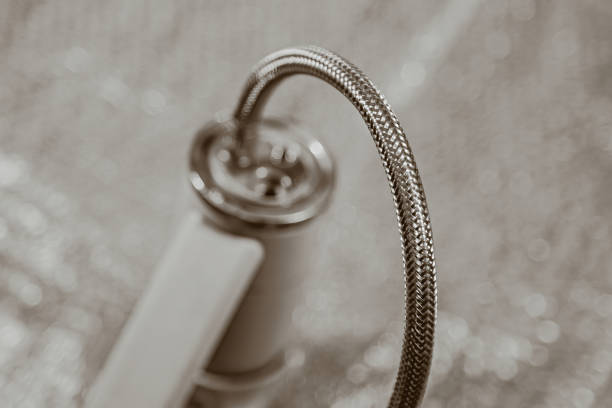
Drain water hoses are essential components across residential, commercial, and industrial systems. From household appliances like washing machines and dishwashers to HVAC and construction drainage systems, these hoses play a key role in efficiently transporting wastewater. To ensure safety, durability, and proper performance, manufacturers and professionals must follow specific standards and specifications.
In this article, we will explore what a drain water hose is, its common characteristics, its uses in different industries, and—most importantly—the regulatory standards that guide its design and installation.
Frequently Asked Questions (FAQ)
1. What is a drain water hose used for?
A drain water hose is typically used to discharge wastewater from household appliances, air conditioning systems, and industrial machinery into drainage systems or outlets.
2. Are there standard sizes for drain water hoses?
Yes, there are standard diameters and lengths depending on the application. Common inner diameters include 1/2 inch, 3/4 inch, and 1 inch, though specific industries may require customized sizes.
3. Which materials are typically used for these hoses?
Most drain hoses are made from PVC, polyethylene, or rubber. These materials offer flexibility, chemical resistance, and durability.
4. Do I need a certified hose for residential use?
While many household hoses are not strictly regulated, it is still important to choose products that comply with relevant performance and material safety standards, especially when used with hot water or chemicals.
5. What happens if the hose does not meet proper standards?
Non-compliant hoses may crack, leak, or deteriorate quickly, leading to flooding, water damage, or contamination. Adhering to standards reduces these risks significantly.
Understanding Drain Water Hoses: Definition and Features
A drain water hose is a flexible tube designed to carry wastewater or excess water from a device to a disposal point, such as a floor drain or external outlet. Unlike pressurized hoses, drain hoses operate under gravity or low-pressure flow conditions.
Some defining features include:
- Flexibility: Most hoses are corrugated or spiral-reinforced to allow bending without kinking.
- Heat Resistance: Many applications require the hose to withstand warm or hot water.
- Chemical Resistance: The hose must tolerate soaps, detergents, and cleaning agents.
- Size Variety: Available in multiple inner diameters to suit various outlet sizes.
- Easy Connectivity: Typically compatible with barbed connectors, clamps, or hose adaptors.
The choice of hose depends heavily on the system it serves. For instance, HVAC condensate hoses are generally smaller in diameter compared to those used for washing machines.
Key Standards and Specifications
Understanding applicable standards is essential for choosing or manufacturing a compliant and durable drain water hose. These standards vary by region and industry, but the most common ones include:
1. ISO 3994 and ISO 3995
These international standards specify requirements for plastic hoses used in conveying water. They define pressure limits, flexibility, dimensional tolerance, and chemical resistance.
2. EN 61386 (European Standard)
Covers corrugated hose systems, including those for non-pressure applications like drainage. It emphasizes mechanical performance and flame resistance.
3. ASTM F876 / F877 (U.S. Standards)
Primarily for PEX and plastic piping systems, these also influence hose materials and safety considerations, especially where heat and chemicals are involved.
4. RoHS Compliance
While not a hose-specific standard, compliance with the Restriction of Hazardous Substances directive ensures the material is free from harmful substances like lead or cadmium.
5. UL and CSA Certifications
UL (Underwriters Laboratories) and CSA (Canadian Standards Association) offer performance and safety certifications for flexible conduits and hoses in North America.
6. Food-Grade Certifications (NSF/ANSI 51 or 61)
Important when hoses drain from appliances that come into contact with food or potable water, like dishwashers.
Manufacturers often test for parameters such as:
- Tensile strength
- Temperature range
- Chemical resistance
- UV resistance
- Burst pressure (if applicable)
Following these standards ensures the product is reliable, safe, and legally compliant.
Common Applications and Industrial Usage
Drain water hoses are present in many settings beyond just home use. Here's a breakdown of where they are typically installed:
1. Residential Use
- Washing machines
- Dishwashers
- Dehumidifiers
- Air conditioning units
- Sink or basin drain extensions
2. Commercial Applications
- Restaurant dishwashing stations
- HVAC drainage systems
- Beverage vending machines
- Condensate removal for refrigeration
3. Industrial Sectors
- Chemical processing units
- Factory equipment drainage
- Laboratory waste discharge
- Temporary site water removal
4. Construction & Agriculture
- Site dewatering
- Irrigation system backflow drains
- Rainwater drainage from temporary roofs
In each case, the specifications—especially temperature and chemical resistance—must match the demands of the environment. Using the wrong type of hose can result in rapid degradation or system failure.
Summary
Drain water hoses are vital components in many plumbing and mechanical systems. Their role in safely conveying wastewater means that durability, safety, and reliability are essential. To achieve this, it’s important to follow specific standards such as ISO, EN, ASTM, or UL certifications depending on the region and application.
Whether you’re installing a hose in a home, factory, or commercial setting, knowing the correct specifications—size, material, temperature tolerance, and chemical compatibility—ensures long-term performance. Always refer to the proper standards and certifications to make sure the product will meet your needs while complying with local regulations.
By choosing the right drain water hose and confirming it adheres to key industry standards, you avoid costly failures, protect your infrastructure, and maintain safe and efficient water management.