
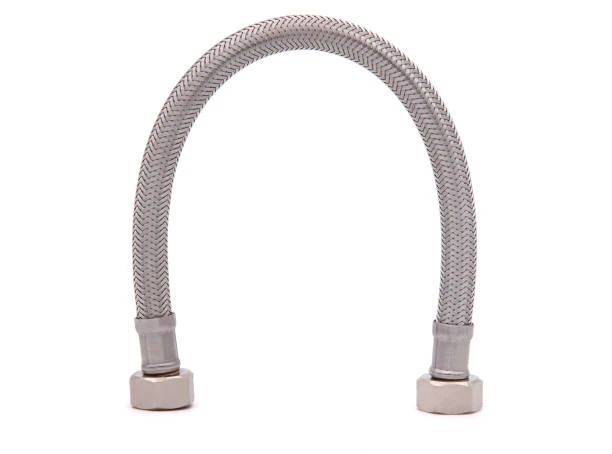
When dealing with drainage solutions in homes, industries, or commercial facilities, a drain water hose often plays a quiet but critical role. These hoses are designed to transport wastewater efficiently from appliances, systems, or surfaces to designated outlets. While it might seem like a simple tube at first glance, its internal structure largely determines its performance, longevity, and reliability. In this article, we will explore the essential structural elements of a drain water hose, answer common questions, and explain why its design matters in practical applications.
FAQ: Common Questions About Drain Water Hose Structure
1. What materials are commonly used in drain water hose construction?
Drain water hoses are typically made from flexible yet durable materials like PVC (polyvinyl chloride), EPDM rubber, polyethylene, or reinforced synthetic compounds. Some models may feature layered construction to enhance strength and resistance to kinking.
2. Why does the internal diameter of a drain water hose matter?
The internal diameter affects water flow rate and pressure. A wider diameter allows more water to pass through quickly, which is ideal for high-drainage applications. However, compatibility with fittings and appliances also depends on diameter.
3. How does hose reinforcement improve structure?
Reinforced drain hoses, often layered with braided polyester or embedded wire, can resist collapsing under pressure, kinking, or abrasion. This structure increases durability and lifespan, especially in harsh or high-use environments.
4. Are all drain hoses UV- and chemical-resistant?
Not necessarily. Some hoses are designed for indoor use and lack protective coatings. Others are specially made with UV stabilizers or chemical-resistant linings for outdoor or industrial settings.
5. Can the structural design affect ease of installation?
Yes, it can. Flexible hoses with smooth interiors are easier to install and maintain. Structural elements like ribbing or reinforcement layers might add strength but can reduce flexibility or increase weight.
Basic Definition and Structural Characteristics of Drain Water Hoses
A drain water hose is a tubular component used to guide wastewater away from a source, such as a washing machine, air conditioner, sink, or industrial equipment, toward a drainage point. What sets one hose apart from another is largely its internal structure and material composition.
Key Structural Components:
- Inner Core (Liner):
This is the channel through which the water flows. It is usually smooth to minimize resistance and prevent blockages. Common materials include flexible PVC or rubber, chosen for their resistance to water and low reactivity. - Reinforcement Layer (Optional):
To add strength, some drain water hoses include a reinforcement layer. This may take the form of:- Braided polyester yarn (enhances pressure resistance)
- Spiral-wound plastic or wire (improves kink resistance)
- Mesh or fabric netting (adds flexibility while maintaining durability)
- Outer Shell:
The outer layer protects the hose from environmental factors. It may be thicker in commercial or outdoor hoses to resist UV rays, chemicals, or mechanical damage. Some are ribbed for added grip and structural stiffness. - Ends and Fittings Compatibility:
Though not always part of the hose itself, the design must accommodate standard fittings or connectors. Many hoses are tapered or pre-molded for tight seals at joints or appliance outlets. - Flexibility and Wall Thickness:
These attributes vary depending on the application. Thinner walls offer greater flexibility but may not be suitable for long-term or high-pressure use. On the other hand, thick-walled hoses with internal structuring resist flattening and wear.
Typical Applications and Industry Use
The structural integrity of a drain water hose directly determines where and how it can be used. Various industries and sectors rely on this product, often without much attention until problems arise. Let’s explore some common uses:
1. Residential Use
In homes, the most common drain hoses are connected to washing machines, dishwashers, dehumidifiers, and air conditioning units. These applications require:
- Lightweight construction
- Flexible structure for tight spaces
- Anti-kink properties for consistent flow
2. HVAC and Appliance Servicing
Air conditioners and refrigerators often need small-diameter drain hoses to carry condensate. In such cases:
- A narrow, smooth bore is ideal for preventing clogs
- Resistance to mold and bacteria buildup is essential
- The hose must tolerate temperature changes without cracking
3. Commercial Kitchens and Food Industry
In these environments, hygiene and durability are critical. Drain hoses here need:
- Strong resistance to grease, oil, and food waste
- Smooth interiors for easy flushing
- Certified food-grade or antibacterial linings
4. Construction and Industrial Draining
In factories or construction sites, drain hoses remove wastewater or slurry. Such heavy-duty applications require:
- Reinforced walls
- UV- and chemical-resistant coatings
- Higher pressure tolerance and impact resistance
5. Agriculture and Landscaping
In irrigation systems or water recirculation, drain hoses can handle water runoff or tank emptying. They must endure:
- Sun exposure
- Contact with fertilizers or organic residues
- Extended laying in soil or uneven terrain
Why Structure Matters in Performance
A well-structured drain water hose ensures smooth water flow and resists common problems like:
- Cracking in extreme temperatures
- Internal clogging due to rough or ribbed interiors
- Flattening under pressure or vacuum
- Leakage at connection points
Moreover, structured hoses are easier to store, bend, and install without compromising performance.
Choosing the Right Hose Based on Structure
When selecting a drain water hose, consider the following structural attributes:
- Purpose of use – Residential or industrial?
- Required length and diameter – Based on appliance type or installation layout
- Reinforcement type – Braided or spiral for more strength
- Temperature range – Suitable for hot or cold drain water
- UV/chemical protection – For outdoor or harsh environments
- Ease of handling – Lightweight vs. rigid structure
Always match the hose structure with your usage context. Over-specifying can waste budget, while under-specifying can lead to costly leaks or replacements.
Conclusion
Understanding the structure of a drain water hose is the first step to ensuring reliable drainage and long-term performance in any setting. From simple household tasks to industrial wastewater management, the right structure can dramatically affect the hose’s efficiency, lifespan, and safety.
By choosing a hose built with suitable materials, reinforcement, and fittings, users can avoid common failures and enjoy smooth operation for years to come. Whether you are a homeowner, contractor, or facility manager, focusing on hose structure helps ensure every drop goes where it’s supposed to.