
Introduction
When it comes to any vehicle or industrial machinery that relies on precise braking performance, choosing the right brake hose is crucial. Among the various options available, braided brake hoses have become a top choice for many mechanical engineers, automotive professionals, and project managers. These hoses not only offer durability but also contribute to more reliable and responsive braking systems. Whether you're planning a vehicle upgrade, designing hydraulic systems, or managing a brake-related project, understanding how braided brake hoses work can save time, increase safety, and optimize efficiency.
In this article, we will explore the essential details about braided brake hoses, from their structure and features to their common applications in various industries. We'll also answer the most frequently asked questions to help guide your decisions in related projects.
FAQ: Common Questions
1. What is a braided brake hose used for?
A braided brake hose is typically used to transfer brake fluid in high-pressure hydraulic braking systems. It’s designed to offer strength, flexibility, and resistance to expansion under pressure.
2. Are braided brake hoses better than rubber ones?
Yes, they are often preferred for performance and safety. Braided hoses resist expansion under pressure, ensuring a more immediate brake response compared to traditional rubber hoses.
3. Can I install braided brake hoses in any vehicle?
In most cases, yes. However, it’s essential to ensure compatibility with your braking system's fittings and specifications. Some modifications might be needed in older or custom vehicles.
4. How long do braided brake hoses last?
With proper installation and regular inspection, they can last up to 10 years or more. Stainless steel braided versions are particularly known for their longevity and resistance to environmental damage.
5. Are braided brake hoses legal for road use?
In many regions, they are road legal, especially when approved by relevant safety standards (e.g., DOT or SAE). Still, it's wise to check local regulations and ensure your hoses meet legal requirements.
What Are Braided Brake Hoses? Definitions and Key Features
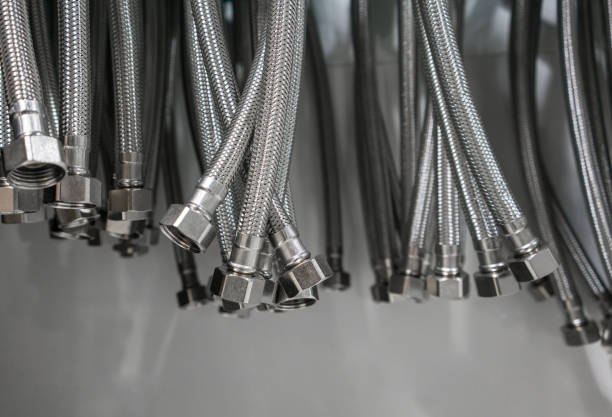
Braided brake hoses are flexible pipes designed to carry pressurized brake fluid from a vehicle’s master cylinder to its calipers or wheel cylinders. What sets them apart from standard rubber brake hoses is the braided outer layer, typically made of stainless steel or synthetic fibers.
This braided design serves multiple purposes:
- Prevents expansion under pressure: The stainless steel braiding reinforces the hose, minimizing swelling, which ensures a consistent and quick brake response.
- Protects the inner core: The internal hose (often made from PTFE or rubber) is shielded from abrasion, UV exposure, and mechanical damage.
- Enhances durability: These hoses can handle extreme temperatures and corrosive environments, making them ideal for both road and off-road applications.
Additionally, braided brake hoses are often customizable. Depending on your project, you can choose different lengths, fittings, and materials to meet specific needs. They are available in single, double, or even triple braided formats, depending on the required performance.
Common Applications and Industries
Braided brake hoses are not just limited to high-performance cars. Their adaptability makes them suitable for a wide range of projects and industries. Below are some of the most common use cases:
1. Automotive Projects
Braided brake hoses are frequently used in sports cars, off-road vehicles, and racing vehicles. They help reduce brake fade and improve control during high-speed or high-temperature driving conditions. Project planners upgrading vehicle brake systems often choose these hoses for reliability and performance.
2. Motorcycle and Bicycle Braking Systems
Motorcycles, particularly those designed for racing or heavy-duty travel, benefit greatly from braided hoses. Similarly, advanced bicycles with hydraulic disc brakes use miniaturized braided brake lines for consistent stopping power.
3. Heavy Machinery and Construction Equipment
In heavy-duty applications like excavators, cranes, and mining trucks, reliability is essential. Braided brake hoses are favored in these scenarios due to their ability to endure constant pressure and rough environments.
4. Aerospace and Aviation
Aircraft use hydraulic systems extensively, especially for braking and landing gear. The high standards for safety and pressure resistance make braided brake hoses a logical choice in aerospace applications.
5. Marine and Boat Trailers
Boats and their trailers are exposed to saltwater and varying temperatures. Braided brake hoses resist corrosion and remain reliable, which is crucial when transporting heavy loads.
Why Use Braided Brake Hoses in Your Project?
If you're managing a vehicle restoration, brake system overhaul, or any hydraulic project, choosing the right brake hose can have a big impact. Here's why braided hoses are often selected over rubber ones in projects:
- Improved Performance: Brake pedal feel becomes more immediate and consistent.
- Enhanced Safety: The reinforced structure minimizes the risk of failure, even under heavy braking.
- Custom Fit Options: These hoses can be made to exact lengths with specific fitting types, ensuring proper integration with existing systems.
- Low Maintenance: They last longer and require fewer replacements, especially when installed correctly.
- Resistant to Chemicals and Weather: This makes them ideal for outdoor or extreme environments.
Additionally, many professional mechanics and project engineers prefer braided brake hoses for their clean, professional appearance, especially when the system is exposed or visible in custom builds.
Choosing the Right Braided Brake Hose for Your Application
When selecting a braided brake hose for your project, it’s important to consider:
- Material: Most feature a PTFE inner lining and stainless-steel braiding. Some come with additional rubber or polymer coatings for added protection.
- Length and Fitment: Custom-cut hoses ensure no unnecessary slack or tension.
- Fitting Type: Ensure compatibility with the master cylinder, calipers, or valves in your system. Common fitting types include banjo, AN, and NPT styles.
- Certifications: Look for hoses that meet DOT, SAE, or TUV standards, especially for on-road use.
If you're working on a project that demands precision and safety, it’s always recommended to work with trusted suppliers and brands that provide full documentation and warranty support.
Conclusion
Whether you’re working on a high-performance vehicle, industrial machinery, or any hydraulic braking system, superior durability, safety, and performance. Their flexible design, resistance to pressure, and long service life make them a worthwhile investment for a wide range of applications.
From enhancing braking efficiency to ensuring system reliability under stress, these hoses play a key role in critical operations. Choosing the right one means understanding your project requirements and trusting high-quality materials. With the right braided brake hose in place, your project is on track for long-term success and safety.
If you’re planning a brake system upgrade or managing a hydraulic application, now is the time to consider how a braided brake hose can elevate your results.
Let me know if you'd like a downloadable version or if you'd like this adapted to your brand or product line (such as IFAN).