
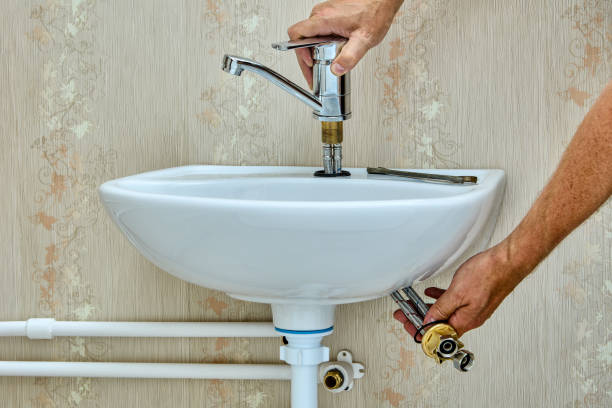
Flexible braided hoses have become essential components in modern automation systems. These hoses offer a perfect combination of strength and flexibility, making them ideal for applications that demand reliable fluid or gas transport under varying pressures. As automation continues to transform industries worldwide, the importance of using durable and adaptable components like braided flexible hoses becomes increasingly clear. This article explores the role of flexible braided hoses in automation, covering definitions, features, uses, and common questions to help professionals make informed decisions.
FAQ: Flexible Braided Hoses in Automation
1. What is a flexible braided hose used for in automation?
Flexible braided hoses are commonly used to transport fluids, gases, or air between moving or vibrating parts in automated machinery. Their flexibility allows for seamless integration into dynamic environments.
2. Why are braided hoses preferred in high-pressure automated systems?
The braided exterior, typically made from stainless steel or synthetic fibers, strengthens the hose and prevents it from expanding or bursting under pressure. This makes them ideal for high-pressure automation lines.
3. Are flexible braided hoses compatible with robotic arms and CNC machines?
Yes. Their flexible structure enables them to follow the movement of robotic arms or CNC tools without kinking or becoming damaged. This helps maintain consistent performance in dynamic conditions.
4. What types of fluids can a braided hose flexible carry?
These hoses can handle a wide range of media, including water, hydraulic oils, air, steam, and even some chemicals, depending on the inner tubing material.
5. How do I choose the right flexible braided hose for an automated system?
You should consider the operating pressure, temperature range, hose material, compatibility with the medium, and the movement pattern of your automation equipment. Certifications and product standards are also worth checking.
Definition and Key Features
A braided hose flexible refers to a hose reinforced with a braided layer, typically made of stainless steel, nylon, or polyester. This combination results in a hose that is both strong and flexible, allowing it to bend and move without cracking, leaking, or detaching.
One of the main features of these hoses is their ability to handle high-pressure environments while maintaining flexibility. The braided sheath resists stretching and provides external protection from abrasion, chemicals, and temperature changes. In automation, this durability ensures continuous fluid transfer, even when machines operate non-stop or under harsh conditions.
They resist fatigue caused by vibration or repetitive motion—common scenarios in automated machinery. Furthermore, they are easy to install and available in a range of sizes, fittings, and materials, making them adaptable to almost any automated setup.
Common Applications in Automation
Flexible braided hoses play a crucial role across various sectors that rely on automation. Let’s look at where and how they are used:
1. Robotics:
In robotic systems, especially those with multiple axes and high-speed motion, hoses must move with the arm while delivering hydraulic fluids or air. Braided hoses flex easily and resist tearing or twisting, making them ideal for robotic applications.
2. CNC Machining and Industrial Tools:
These machines rely on coolant delivery systems to keep tools from overheating. Flexible braided hoses handle these fluids efficiently, even in environments with sharp temperature and pressure fluctuations.
3. Automotive Assembly Lines:
On production lines, hoses are used for transporting air, water, and oils between workstations. Their flexibility allows for easy rerouting without interrupting the assembly flow.
4. Packaging Machinery:
Automated packaging systems require hoses to carry compressed air or vacuum lines. Flexible braided hoses ensure that motion and speed do not compromise the air supply, maintaining consistent packing speed.
5. HVAC and Building Automation Systems:
In smart buildings, automated HVAC units often use braided hoses for water or refrigerant transport. Their resistance to pressure surges and temperature variations makes them a reliable choice for building automation.
6. Medical Device Automation:
Precision fluid transport is essential in medical devices such as automated analyzers and fluid dispensers. Braided hoses are ideal because of their flexibility, cleanliness, and compatibility with sensitive fluids.
Summary: Why Quality Flexible Braided Hoses Matter in Automation
Automation demands components that perform reliably under pressure, movement, and environmental stress. Flexible braided hoses deliver precisely that. They offer unmatched durability, flexibility, and compatibility with a wide variety of systems and fluids.
Choosing the right braided hose flexible can improve machine efficiency, reduce downtime, and lower maintenance costs. That’s why engineers, designers, and procurement professionals prioritize quality when selecting hoses for their automated systems. By understanding the unique benefits and uses of flexible braided hoses, professionals can build automation solutions that are both efficient and future-ready.