
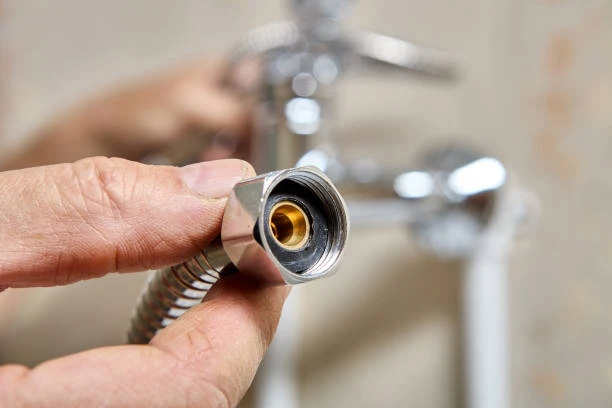
In today’s fast-paced industrial and residential markets, flexible braided hoses are widely used for their strength, durability, and versatility. From plumbing and heating systems to machinery and vehicles, they serve critical functions across various sectors. However, with growing applications comes the demand for consistent quality. Choosing a high-quality flexible braided hose isn't just about performance—it directly affects safety, reliability, and long-term cost efficiency. In this article, we will explore the essentials of braided hose flexibility, explain its quality standards, and help readers understand how to evaluate and select the right product for their needs.
Frequently Asked Questions (FAQ)
1. What is a braided flexible hose, and why does quality matter?
A braided flexible hose is a tube reinforced with interwoven strands of metal or synthetic fibers. Quality ensures it can handle pressure, temperature changes, and environmental wear without failure.
2. How can I tell if a braided hose is high quality?
You can check material grade (like stainless steel 304 or 316), pressure rating, certifications (ISO, NSF), and performance test results. A well-made hose will also feel consistent and have secure fittings.
3. Are metal braided hoses better than synthetic ones?
Both types have their strengths. Metal hoses typically offer higher pressure resistance and longevity, while synthetic versions may be lighter and more flexible. Quality still depends on construction and application.
4. What happens if I use a low-quality braided hose?
Using a poor-quality hose can lead to leaks, bursts, corrosion, or premature failure. This can cause equipment damage, safety hazards, or even costly shutdowns in industrial settings.
5. Which industries require high-quality braided flexible hoses the most?
Industries such as plumbing, automotive, food processing, chemical handling, HVAC, and manufacturing rely on braided hoses that meet strict quality and safety standards.
Definition and Key Characteristics of Flexible Braided Hoses
A braided hose flexible is a type of hose designed to bend and flex while still withstanding high internal pressures. It consists of an inner tubing (often rubber, silicone, or PTFE) wrapped in a braided layer. This outer braid is usually made of stainless steel, polyester, or nylon.
The purpose of the braid is to:
- Increase pressure resistance
- Protect the inner tube from abrasion
- Enhance tensile strength
- Prevent kinking while allowing flexibility
Several characteristics define a high-quality flexible braided hose:
- Material durability: Stainless steel braids resist rust and corrosion, while high-grade inner tubing resists chemicals and temperature fluctuations.
- Pressure rating: Quality hoses are tested for burst pressure and have clear labeling.
- Temperature tolerance: Good hoses remain stable under both high and low temperatures.
- Secure fittings: Leak-proof connections with brass or stainless steel ends are essential for maintaining system integrity.
Common Applications and Industries That Depend on Quality
Flexible braided hoses are found in a wide range of industries. Each application requires a certain standard of quality to ensure performance and safety.
1. Plumbing Systems
In residential and commercial buildings, flexible braided hoses connect water lines to sinks, toilets, washing machines, and water heaters. High-quality hoses prevent leaks and water damage, especially under constant pressure.
2. Automotive and Transport
These hoses are used in fuel lines, brake systems, and air conditioning. Automotive-grade braided hoses must resist oil, heat, vibration, and mechanical stress. Quality is crucial for vehicle safety and efficiency.
3. Industrial Machinery
Manufacturing plants and hydraulic equipment often use braided hoses to move pressurized fluids. These systems cannot afford hose failure, making durable, pressure-rated hoses a necessity.
4. Food and Beverage Processing
Hoses in this sector must meet sanitary standards. They are often made with FDA-approved inner tubes and stainless steel braiding. Quality ensures hygiene, taste neutrality, and resistance to high cleaning temperatures.
5. Chemical and Pharmaceutical Industries
These sectors use hoses to transport reactive or hazardous materials. A quality braided hose resists chemical breakdown, maintains integrity under pressure, and prevents contamination.
Why Quality Makes the Difference
Focusing on quality when choosing a braided flexible hose leads to better performance and peace of mind. Let’s break down why it matters in practical terms:
- Longer lifespan: High-quality hoses can last several years without needing replacement, reducing maintenance and downtime.
- Leak prevention: Proper construction and pressure testing eliminate weak points.
- Safety assurance: Whether it’s a home water line or an industrial chemical system, reliable hoses protect people and property.
- Cost-effectiveness: While a quality hose may have a higher initial price, it avoids the long-term costs of replacements, failures, or damage.
- Regulatory compliance: Meeting local plumbing codes or industry standards is often legally required and only possible with certified hoses.
Conclusion
The braided hose flexible is an indispensable component across many sectors. But not all hoses are created equal. When quality is prioritized, the result is a product that performs reliably, lasts longer, and supports safety. Whether you're managing a household, installing industrial machinery, or operating within regulated industries, investing in a high-quality braided hose is not just smart—it’s essential. Always evaluate materials, certifications, and application needs before making a purchase. With the right choice, you can ensure both efficiency and peace of mind in the long run.