
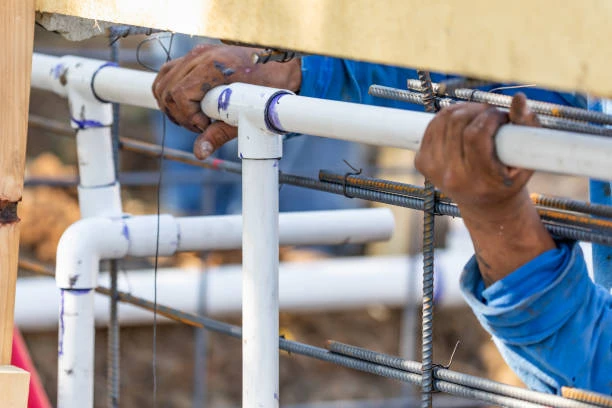
Introduction: Why Reliable Flanges Matter in Industrial Systems
In modern piping systems, the integrity of connections is just as important as the pipe material itself. Especially in industrial or chemical environments, flanges must handle high pressure, corrosion, and thermal fluctuations without failure. This is where heavy-duty PPH (Polypropylene Homopolymer) flanges stand out. Not only are they strong and resistant to harsh conditions, but they also offer long-term cost efficiency. In this article, we will explore their benefits in depth, while also comparing them with other common flange materials to help you make an informed decision.
FAQ: What People Often Ask About PPH Flanges
1. What makes a PPH flange “heavy-duty”?
It is designed with extra thickness and structural reinforcement to withstand high-pressure systems and harsh handling.
2. Are PPH flanges suitable for chemical processing?
Absolutely. Due to their excellent chemical resistance, they are widely used in acidic and alkaline environments.
3. Can PPH flanges be used with metal piping?
Yes. When installed properly with compatible gaskets and bolts, they can be connected to various piping materials.
4. How do they perform in high-temperature settings?
Heavy-duty PPH flanges typically handle temperatures up to 110°C, making them suitable for moderately hot fluids.
5. Are they more durable than standard plastic flanges?
Yes. Thanks to their reinforced design, they offer greater strength and longevity compared to standard versions.
What Are Heavy-Duty PPH Flanges?
To begin with, a flange is a mechanical device used to connect pipes and equipment in fluid systems. In the case of PPH flanges, the material is Polypropylene Homopolymer—a thermoplastic known for chemical stability, thermal resistance, and durability. What sets the heavy-duty variant apart is its enhanced wall thickness, extra bolt support, and mechanical reinforcement. These upgrades ensure that the flange can resist deformation under pressure, making it ideal for demanding environments.
In addition, PPH flanges are lightweight, which simplifies handling and installation. Unlike metal flanges, they do not corrode or rust, offering an advantage in aggressive or wet environments.
Key Benefits of Heavy-Duty PPH Flanges
Now let’s dive into the specific advantages that make these flanges a popular choice across industries:
1. Excellent Corrosion Resistance
First and foremost, one of the most notable strengths of PPH flanges is their resistance to chemical attack. Whether your system carries acids, alkalis, salts, or organic solvents, these flanges maintain their structure without corroding, unlike metal alternatives.
2. Lightweight and Easy to Handle
Furthermore, because PPH is significantly lighter than metal, it reduces transportation and installation effort. This not only lowers labor costs but also decreases the risk of injury or installation errors.
3. Thermal Performance
Additionally, PPH performs well under thermal stress. These flanges can consistently function in environments up to 110°C, which is suitable for most water treatment, chemical, and HVAC applications.
4. Cost-Effective in the Long Term
While the initial cost of heavy-duty PPH flanges might be higher than basic plastic flanges, the low maintenance and longer lifespan lead to substantial savings over time.
5. Versatile Compatibility
Moreover, these flanges are compatible with various gasket materials and fastening methods, making them adaptable to existing systems and multiple piping materials.
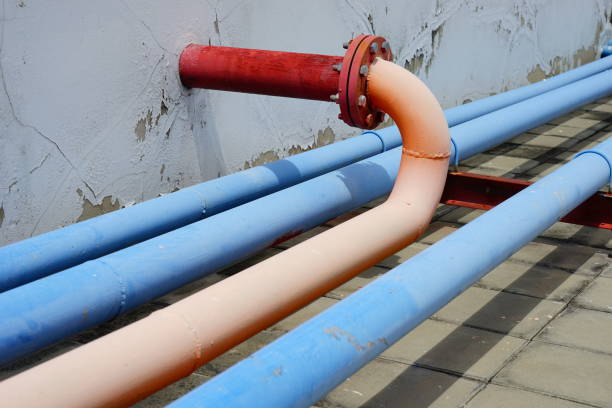
Applications Across Industries
Because of the benefits listed above, heavy-duty PPH flanges are used in a wide range of industrial systems. Here are some common sectors where they are applied:
- Chemical processing – Handling aggressive liquids safely and reliably
- Water treatment – In pipelines that require leak-proof joints under pressure
- Mining and metals – Transporting corrosive slurries and liquids
- Agriculture – Distributing fertilizer-rich water in irrigation systems
- HVAC and industrial cooling – Withstanding thermal cycles without cracking or leaking
In each of these cases, the flange plays a critical role in keeping systems efficient and leak-free.
Installation Tips for Best Results
Even though PPH flanges are designed for performance, proper installation is crucial to ensure longevity. Here are some important guidelines:
- Align the flanges precisely to avoid stress buildup on joints
- Use compatible gaskets, especially if handling corrosive media
- Tighten bolts gradually and diagonally to ensure even pressure distribution
- Avoid over-torquing, which can damage the flange face
- Protect from direct UV exposure if installed outdoors (unless UV-stabilized)
When installed with care, these flanges can last for decades without needing major intervention.
PPH vs. Other Flange Materials
To help you better evaluate, here is a side-by-side comparison of PPH flanges and other popular materials:
| Feature | PPH Flanges | PVC Flanges | Stainless Steel Flanges | HDPE Flanges |
|---|---|---|---|---|
| Corrosion Resistance | Excellent | Moderate | Good (but rusts in acids) | Very Good |
| Weight | Very Light | Light | Heavy | Light |
| Max Temp (°C) | ~110°C | ~60°C | ~200°C | ~90°C |
| Chemical Compatibility | Excellent | Limited | Moderate | Excellent |
| Installation Ease | Easy | Easy | Requires tools/lifting | Easy |
| Cost | Moderate | Low | High | Moderate |
Clearly, PPH flanges strike a balance between strength, corrosion resistance, and ease of handling—especially in chemical or fluid-heavy environments.
Conclusion: A Smart Choice for Harsh Conditions
To summarize, heavy-duty PPH flanges bring together chemical resistance, lightweight construction, thermal endurance, and mechanical strength. As systems become more complex and fluid quality becomes more aggressive, using the right connection method is vital.
With proper selection and installation, these flanges offer years of dependable service with minimal maintenance. Whether you're upgrading an industrial pipeline or building a new chemical transfer line, PPH flanges are a reliable, cost-effective, and safe choice.