

A reliable plumbing system is the backbone of any home. From fresh water supply to waste drainage, everything depends on having the right tools, materials, and design. Whether you’re remodeling your bathroom, fixing a leaky faucet, or building a new house, understanding the essentials of home plumbing is the first step toward success.
This article walks you through the must-have plumbing supplies, trusted sources, buying tips, and practical installation advice—everything you need to build or maintain a strong plumbing system at home.
Frequently Asked Questions (FAQ)
1. What are the basic components of home plumbing?
Home plumbing includes water supply lines, drainage pipes, fixtures (sinks, toilets), and valves to control flow.
2. Which materials are best for home plumbing pipes?
PEX and PVC are popular for residential use due to durability and affordability. Copper is used for hot water lines.
3. Can I do home plumbing myself?
Yes, many plumbing tasks like replacing fixtures or fixing leaks are DIY-friendly, but major installations may require a licensed plumber.
4. Where should I buy home plumbing supplies?
Reputable hardware stores, plumbing supply shops, and online marketplaces offer a wide selection of quality materials.
5. How do I know if a plumbing supply is high quality?
Look for product certifications (e.g., NSF, UPC), read customer reviews, and buy from established brands or suppliers.

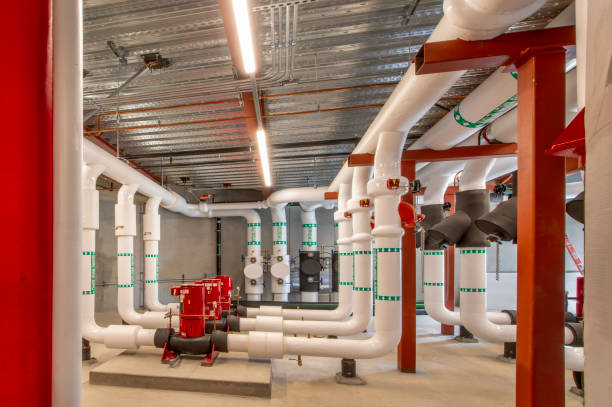
What Is Home Plumbing?
Home plumbing is the system that supplies clean water to your fixtures and removes wastewater efficiently. It includes:
- Water supply lines – bring fresh water into your home
- Drainage system (DWV) – carries wastewater to the sewer or septic system
- Plumbing fixtures – sinks, faucets, toilets, bathtubs
- Valves and connectors – control and link various parts
- Water heaters – supply hot water for showers, laundry, and kitchens
Good plumbing ensures safe, clean water, proper drainage, and minimal maintenance issues over time.
Must-Have Supplies for Home Plumbing
Here’s a checklist of essential supplies every homeowner or DIY enthusiast should know:
1. Pipes
- PEX – Flexible, easy to install, resistant to freezing
- PVC – Used for drain lines and venting
- CPVC – Heat-resistant for hot water supply
- Copper – Durable and reliable, especially for hot lines
2. Fittings
- Elbows, tees, couplings, unions, reducers – for connecting pipes at various angles or sizes
- Available in PVC, brass, copper, and plastic
3. Valves
- Ball valves, gate valves, check valves – control flow or prevent backflow
- Shut-off valves are essential for safety and repairs
4. Fixtures
- Faucets, sinks, showerheads, toilets, tubs – chosen based on function, style, and water-saving features
5. Tools and Accessories
- Pipe cutter, wrench, thread tape, pipe sealant, hose bibs, hangers, and mounting hardware
Where to Buy Home Plumbing Supplies
Sourcing the right supplies is as important as the installation itself. Consider these options:
A. Local Hardware Stores
- Quick access and staff assistance
- Good for emergency parts or small projects
B. Dedicated Plumbing Supply Shops
- More professional-grade products
- Expert advice available
C. Online Retailers
- Large variety and often better prices
- Ideal for comparing brands and specifications
D. Wholesale Suppliers
- Cost-effective for large-scale or ongoing projects
- Often require business or contractor accounts
Home Plumbing Applications
1. Bathroom Renovation
Install or upgrade faucets, shower systems, toilets, and vanity sinks with modern water-saving technology.
2. Kitchen Plumbing
Connect dishwashers, water filtration systems, and garbage disposals with leak-proof fittings and shut-off valves.
3. Laundry Room Setup
Hot and cold water lines for washing machines, plus proper drain outlets and backflow protection.
4. Outdoor Plumbing
Use frost-proof hose bibs and underground PVC piping for garden watering or sprinkler systems.
How to Choose the Right Supplies
✔ Material Compatibility
Match fittings and valves with pipe material (e.g., use CPVC fittings for CPVC pipes).
✔ Sizing Accuracy
Measure pipe diameter precisely—commonly ½", ¾", or 1" for home systems.
✔ Certifications
Look for NSF/ANSI 61, ASTM, and UPC ratings, especially for drinking water components.
✔ Durability and Warranty
Longer warranties reflect better manufacturing standards.
✔ Color Codes
Red (hot), Blue (cold), White (universal) help avoid confusion during installation.
Installation Tips for Homeowners
- Shut off water before any plumbing work
- Use thread seal tape on threaded connections to prevent leaks
- Avoid over-tightening fittings
- Test systems after installation by running water under pressure
- Follow local plumbing codes to avoid fines and ensure safety
For complex tasks like water heater replacement or sewer line installation, hire a licensed plumber.
Home Plumbing Supplies vs. Commercial Plumbing Materials
| Feature | Home Plumbing Supplies | Commercial Plumbing Materials |
|---|---|---|
| Pressure Tolerance | Moderate | Higher capacity for multi-user systems |
| Pipe Diameter | ½" to 1" typical | 1.5" and above, depending on use |
| Materials Used | PVC, PEX, CPVC, copper | Stainless steel, cast iron, HDPE |
| Code Requirements | Local building codes | Strict compliance, especially in public buildings |
| Installation Needs | DIY-friendly, simpler connections | Often requires certified plumbers |
Summary: Build Smart, Start with the Right Supplies
A solid home plumbing system starts with smart choices—from selecting the right materials to sourcing reliable suppliers. Whether you’re handling a small DIY repair or a full-scale bathroom remodel, using high-quality, well-matched supplies makes all the difference.
By knowing what to buy, where to get it, and how to install it properly, you set your home up for decades of safe and efficient water use. Start your home plumbing journey right—because every drop counts.