
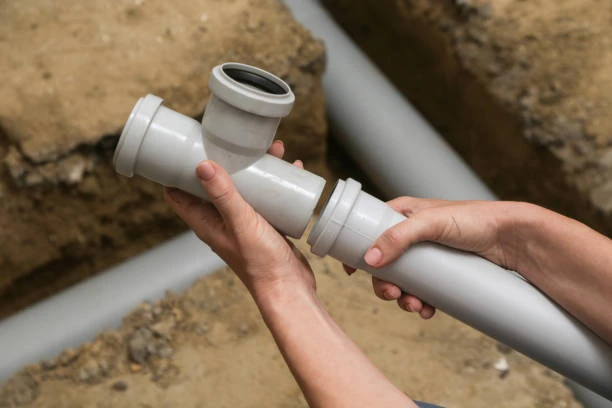
The plumbing supply industry is the hidden engine behind every functioning building, home, and infrastructure project. From the pipes buried beneath your lawn to the faucets in your kitchen, plumbing supplies touch every corner of our lives. But as construction practices, materials, and technologies evolve, so does the industry that powers them.
In this article, we take a deep dive into the plumbing supply world—exploring current trends, industry shifts, key players, and practical tips for buyers and suppliers alike.
Frequently Asked Questions (FAQ)
1. What is the plumbing supply industry?
It refers to the manufacturing, distribution, and sale of materials and components used in plumbing systems—including pipes, fittings, valves, and fixtures.
2. Who are the main customers in this industry?
Contractors, plumbers, construction firms, homeowners, and even governments are major consumers of plumbing supplies.
3. Which materials are most common in plumbing today?
PEX, PVC, CPVC, and copper dominate the residential and commercial sectors, while HDPE and stainless steel are used in industrial settings.
4. How is the industry changing?
The industry is shifting toward more sustainable materials, digital supply chains, and smarter inventory management.
5. Can small businesses compete with large supply companies?
Yes—by offering specialized products, exceptional service, and targeting niche markets, small suppliers can thrive in competitive landscapes.

Overview: What Drives the Plumbing Supply Industry?
The plumbing supply sector forms a critical link between manufacturers and end-users in the construction and maintenance industries. Its strength depends on:
- Construction trends: New housing and commercial developments boost demand.
- Urban infrastructure projects: Cities upgrading aging water systems require massive amounts of pipe and fittings.
- DIY market growth: More homeowners tackling repairs drives retail-level plumbing supply sales.
- Technological innovation: Smart plumbing and efficient systems require updated materials and designs.
This industry supports both B2B (wholesale) and B2C (retail/online) channels, each with distinct challenges and opportunities.
Key Segments of the Plumbing Supply Industry
1. Manufacturing
Factories produce everything from simple PVC couplings to high-end brass valves. Leading regions include:
- China – largest global manufacturer of fittings and valves
- Germany – known for precision-made plumbing systems
- USA & India – strong in both domestic supply and exports
2. Wholesale Distribution
Distributors serve as the middle link between manufacturers and retailers or contractors. They handle:
- Large inventory management
- Supply chain logistics
- Bulk order fulfillment
Examples: Ferguson (US), Wolseley (UK), and Rexel (global)
3. Retail & Online Sales
Hardware stores and e-commerce platforms serve end-users. The rise of platforms like Amazon, Alibaba, and niche sites like SupplyHouse.com is changing the game.
Trends Shaping the Plumbing Supply Industry
A. Eco-Friendly Materials
With environmental awareness growing, there’s a surge in demand for:
- Lead-free brass
- Recyclable plastics
- Water-saving fixtures
- Green certifications (e.g., LEED, WaterSense)
B. Digital Supply Chains
Automation and digital tools are helping distributors:
- Track inventory in real-time
- Offer seamless online ordering
- Predict demand using data analytics
C. Smart Plumbing Systems
New smart home technology includes:
- Leak detection sensors
- Wi-Fi-enabled valves
- Automated irrigation systems
These create new categories for supply shops and manufacturers.
D. Modular Construction
Pre-fabricated plumbing units reduce labor time on job sites and increase demand for standardized, high-precision supplies.
E. Global Sourcing & Localization
Companies are balancing low-cost offshore manufacturing with local warehousing to ensure faster delivery and flexibility.
Tips for Plumbing Supply Buyers
✔ Understand Your Application
Don’t just buy by price. Match materials to specific needs—e.g., use CPVC for hot water, HDPE for underground lines.
✔ Verify Certifications
Ensure the products are certified by recognized bodies such as:
- NSF International
- ASTM International
- UPC (Uniform Plumbing Code)
✔ Buy from Reputable Sources
Whether online or local, choose suppliers known for quality, support, and warranties.
✔ Plan Bulk Orders
For large projects, buying in bulk saves time and money. Coordinate with contractors to get accurate estimates.
✔ Ask for Technical Support
The best suppliers offer not just materials but also guidance on installation, compatibility, and code compliance.
Tips for Plumbing Supply Sellers
✔ Diversify Your Product Line
Include PPR, PVC, CPVC, brass, and HDPE options to serve a wider market.
✔ Offer Online Ordering
E-commerce capability is essential. Make your inventory searchable, priced competitively, and backed with reviews.
✔ Highlight Certifications & Uses
Help buyers understand where and how to use each item with clear descriptions, datasheets, and guides.
✔ Build Relationships
Loyal customers come back when they trust your product quality, delivery times, and after-sales support.
✔ Go Green
Offering eco-friendly options is no longer optional—it’s a competitive advantage.
Major Players in the Plumbing Supply Industry
| Company Name | Region | Specialty |
|---|---|---|
| Ferguson | USA | Wholesale, commercial plumbing |
| Wolseley | UK | Plumbing and HVAC supplies |
| IFAN | China | PVC, PPR, brass, CPVC fittings |
| Kohler | Global | Fixtures and plumbing hardware |
| Viega | Germany | Piping systems and press fittings |
| RWC (SharkBite) | USA/AUS | Push-to-connect plumbing solutions |
Future Outlook: Where Is the Industry Headed?
- More automation in manufacturing and delivery
- Smarter warehousing and predictive logistics
- Increased standardization across international markets
- Localized 3D printing for rapid production of custom parts
- Greater focus on water efficiency as governments enforce conservation
The plumbing supply industry will continue to be shaped by technology, regulation, and sustainability—making innovation more important than ever.
Summary: Navigating a Changing Industry
The plumbing supply industry is evolving at a rapid pace. From digitization to sustainability, today's suppliers and buyers must stay informed to remain competitive.
Whether you’re a wholesaler, contractor, manufacturer, or DIY customer, the key to success lies in understanding market trends, sourcing reliable materials, and embracing innovation. With the right strategies, navigating the plumbing supply world becomes not just easier—but more profitable too.