
Metal pipe braid hoses serve critical functions in numerous industrial applications where reliability and performance are paramount. Several key factors influence their selection, installation, and long-term performance. Understanding these factors ensures optimal hose performance, safety, and cost-effectiveness throughout the product lifecycle. This comprehensive guide examines the essential considerations for metal pipe braid hoses, covering material compatibility, pressure requirements, environmental conditions, and installation parameters. We will explore how these factors interact and influence hose selection, operational performance, and maintenance requirements. Proper consideration of these elements helps engineers, maintenance professionals, and procurement specialists make informed decisions that ensure system reliability and safety.
Basic Definition and Key Characteristics
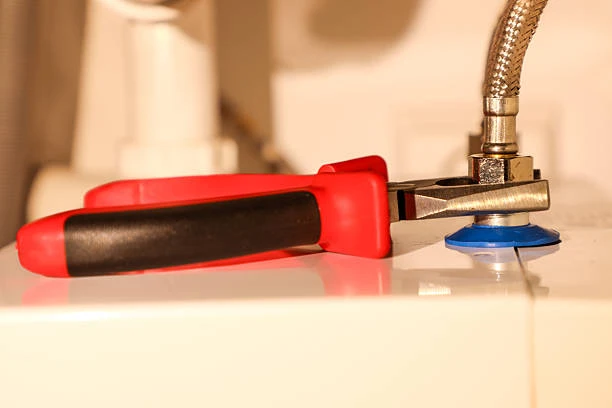
Metal pipe braid hoses feature a flexible corrugated inner core typically made of stainless steel, surrounded by one or more layers of braided metal wire reinforcement. This construction provides exceptional strength while maintaining flexibility. The braiding design and material composition significantly influence pressure ratings and flexibility characteristics. These hoses offer excellent resistance to high temperatures, corrosion, and pressure surges. Their performance depends on proper selection based on specific application requirements. The number of braid layers directly affects pressure capacity, while the materials determine chemical compatibility. End connection types must match system requirements and installation conditions. Understanding these fundamental characteristics forms the basis for evaluating other selection factors.
Frequently Asked Questions (FAQ)
1. What factors determine the appropriate pressure rating selection?
Consider both working pressure and any potential pressure surges in the system. Evaluate maximum operating pressure and add appropriate safety margins. Account for temperature effects on pressure ratings, as higher temperatures typically reduce allowable working pressures. Consider fatigue factors from pressure cycling and vibration. Include safety factors for unexpected pressure spikes or system malfunctions.
2. How does temperature affect hose selection and performance?
Temperature impacts material properties, expansion characteristics, and pressure ratings. Consider both fluid temperature and ambient environmental conditions. Account for thermal expansion and contraction in installation design. Evaluate temperature cycling effects on material fatigue. Select materials that maintain properties at temperature extremes. Consider heat protection needs for hoses near high-temperature sources.
3. What chemical compatibility factors are most important?
Evaluate compatibility with both the conveyed media and environmental exposures. Consider concentration levels and temperature effects on chemical resistance. Account for potential fluid contamination or mixing scenarios. Review permeation characteristics for hazardous fluids. Check compatibility with cleaning agents and maintenance chemicals.
4. How do environmental conditions influence hose selection?
Outdoor applications require UV resistance and weather protection. Marine environments need superior corrosion resistance. High-vibration applications demand flexible designs with proper support. Abrasive conditions require protective covering or special routing. Explosive atmospheres may need anti-static properties.
5. What installation factors affect hose performance and longevity?
Proper bending radius maintenance prevents stress and fatigue. Adequate support spacing prevents excessive movement and wear. Protection from abrasion and crushing ensures long service life. Correct installation techniques prevent twisting and damage. Proper connection methods ensure leak-free performance.
Common Uses and Application Industries
The importance of various factors changes significantly across different industries and applications. Chemical processing prioritizes chemical compatibility and corrosion resistance. Power generation focuses on high-temperature performance and reliability. Oil and gas applications require extreme pressure capability and safety factors. Automotive systems need vibration resistance and space constraints consideration. Aerospace applications demand lightweight designs and extreme reliability. Pharmaceutical industry requires cleanliness and validation documentation. Food processing needs FDA compliance and cleanability. Each industry sector emphasizes different factor priorities based on their specific operational requirements, safety standards, and performance expectations.
Conclusion
In summary, successful implementation of metal pipe braid hoses requires careful consideration of multiple interrelated factors. Pressure requirements, temperature conditions, chemical compatibility, and environmental factors all influence selection decisions. Installation considerations and maintenance requirements further affect long-term performance and reliability. Different industries prioritize these factors based on their specific applications and operational requirements. By systematically evaluating all relevant factors and their interactions, professionals can select and implement metal pipe braid hoses that deliver optimal performance, safety, and longevity. The continuous development of new materials and designs will further enhance our ability to meet challenging application requirements while maintaining focus on the fundamental factors that ensure successful hose performance.