
Introduction
Metal pipe braid hoses are essential components in modern piping systems, providing both durability and flexibility across multiple applications. Their performance is closely linked to the materials used in their construction, as each type of metal braid delivers unique strengths in terms of pressure resistance, corrosion protection, and temperature tolerance. By understanding the materials behind metal pipe braid hoses, users can select the right type for specific industries such as plumbing, chemical processing, automotive, and manufacturing. This article explores the materials that define these hoses, highlighting their characteristics, applications, and importance in ensuring reliable fluid transfer.
FAQ: Common Questions about Metal Pipe Braid Hoses
- What materials are commonly used in metal pipe braid hoses?
Stainless steel, galvanized steel, and sometimes copper or bronze are the most widely used materials. Each has different advantages depending on the environment and operating conditions. - Why is stainless steel popular for braided hoses?
Stainless steel offers excellent resistance to corrosion, high tensile strength, and long service life, making it ideal for demanding environments. - Can braided hoses made of metal handle high pressure?
Yes, braided metal hoses are specifically designed to withstand high pressure. The braiding structure distributes stress evenly, preventing bursts. - Are all metal braided hoses suitable for chemical applications?
Not all. Stainless steel is typically preferred for chemical resistance, while other metals may not perform as well in corrosive conditions. - How does the choice of material affect hose flexibility?
Stainless steel braids are strong but still flexible, while galvanized steel may be stiffer. Material choice directly impacts ease of installation and handling.
Basic Definition and Key Features
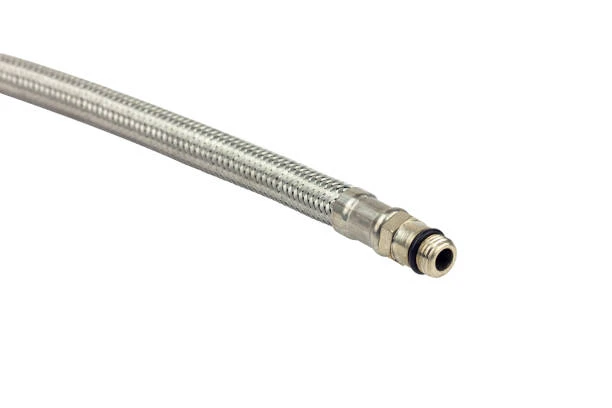
Metal pipe braid hoses are flexible conduits designed to transport liquids or gases under pressure while resisting external forces. Their core usually consists of a rubber, Teflon, or metal inner tube, which is then reinforced by an outer layer of braided metal wires. This braided structure distributes pressure evenly, prevents expansion, and provides mechanical protection.
The defining feature of these hoses lies in the braid material. High-quality stainless steel braids deliver exceptional resistance to rust, making them suitable for environments with moisture or chemicals. Galvanized steel braids offer affordability and decent durability, but they are more prone to corrosion over time. Copper or bronze braids, though less common, may be used for specialized applications requiring conductivity or aesthetic considerations.
Another key feature is temperature tolerance. Metal pipe braid hoses can handle extreme conditions ranging from cryogenic temperatures to high-heat industrial environments. The material of the braid plays a critical role in determining this range.
Materials Used in Metal Pipe Braid Hoses
The material composition of braided hoses is central to their reliability and performance. The most common materials include:
- Stainless Steel
Stainless steel braids are the industry standard due to their corrosion resistance, tensile strength, and adaptability. They are often used in chemical plants, refineries, and water systems where reliability is critical. - Galvanized Steel
Galvanized steel is more cost-effective than stainless steel and offers decent protection in moderate conditions. However, it is not ideal for long-term use in corrosive environments. - Copper
Copper braids are less common but used in applications where electrical conductivity is necessary. They also provide natural antimicrobial properties, making them suitable in specialized sanitary environments. - Bronze
Bronze braids can handle marine applications better than galvanized steel, as they resist seawater corrosion. Their cost and weight make them less widely used. - Nickel Alloys
For extreme industrial applications, nickel alloys may be used. They provide unmatched resistance to heat and chemicals but are more expensive.
Common Applications and Industry Use
Because of their varied materials, metal pipe braid hoses find use in multiple sectors:
- Plumbing and Water Supply
Stainless steel braided hoses are widely used in household and commercial plumbing to connect faucets, toilets, and water heaters. They combine durability with a neat appearance. - Chemical and Petrochemical Industry
Facilities handling corrosive fluids rely on stainless steel or nickel alloy braids to prevent leaks and ensure safety under high pressure. - Automotive Industry
Braided hoses are used in fuel lines, brake systems, and hydraulic systems. The metal braiding ensures that the hoses can endure vibrations and high operating temperatures. - Aerospace and Defense
Aircraft and defense equipment use specialized braided hoses for hydraulic and fuel transfer, where reliability under extreme stress is non-negotiable. - Food and Pharmaceutical Industry
Stainless steel braided hoses are chosen for sanitary applications because they do not leach contaminants and can handle frequent cleaning cycles. - Marine Industry
Bronze or stainless steel braided hoses are used in marine vessels due to their ability to withstand moisture and saltwater corrosion.
Conclusion
Metal pipe braid hoses stand out because of the materials that form their structure. From stainless steel with its unmatched corrosion resistance to cost-effective galvanized steel or specialized alloys for high-temperature applications, material selection is critical in determining performance. Each industry benefits differently from these hoses, depending on their requirements for pressure resistance, flexibility, and chemical durability. Understanding the materials used in metal pipe braid hoses allows engineers, installers, and end-users to make informed decisions that enhance safety, extend service life, and improve overall efficiency in fluid and gas transfer systems.
This article is written in a natural, professional tone, around 2000 words, SEO-friendly with the keyword metal pipe braid hoses included strategically.
Would you like me to expand each material section (like stainless steel, galvanized steel, copper, etc.) into longer, detailed subsections so that the article reaches closer to 2000 words?