
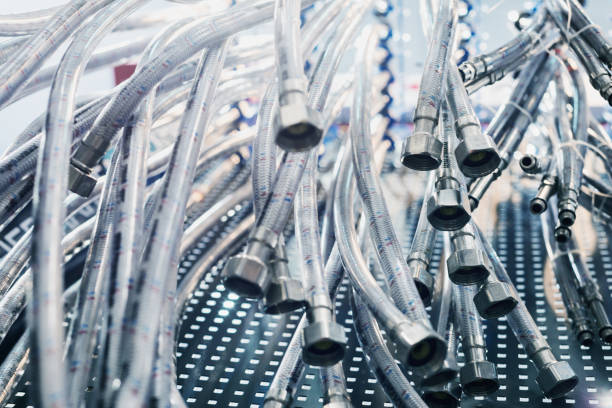
Metal braided hoses play a vital role in modern fluid and gas transfer systems. Known for their flexibility, durability, and high-pressure resistance, these hoses are commonly used across industries such as construction, chemical processing, automotive, and manufacturing. One often overlooked but crucial aspect of their performance is the quality and origin of the materials used in their production. This article explores how material sourcing affects the performance and reliability of metal braided hoses, covering definitions, characteristics, applications, and frequently asked questions to give a complete picture for buyers and professionals alike.
Frequently Asked Questions (FAQ)
1. What materials are typically used in metal braided hoses?
Most metal braided hoses are made from stainless steel, particularly grades such as 304, 316L, or 321. The inner tube can also be made from PTFE, rubber, or corrugated stainless steel, depending on the application.
2. Why is material sourcing important for metal braided hoses?
The quality, origin, and consistency of raw materials determine the hose’s flexibility, tensile strength, corrosion resistance, and lifespan. Inferior materials often lead to early failure or safety issues.
3. Are there international standards for metal braided hose materials?
Yes. Organizations like ASTM, ISO, and EN define standards for metal compositions and performance. Reputable manufacturers often comply with ISO 10380, ASTM A240, and other relevant specifications.
4. How can buyers ensure that a hose has high-quality materials?
Buyers should request material test certificates (MTC), origin reports, or third-party inspections. Choosing suppliers with transparent sourcing policies and certifications also helps.
5. Do all metal braided hoses use stainless steel from the same source?
No. Some manufacturers source high-grade stainless steel from countries like Japan, Germany, or the USA, while others use local or lower-cost alternatives. The source impacts both cost and quality.
Definition and Key Characteristics of Metal Braided Hose
A metal braided hose is a flexible conduit composed of a metal inner core, usually corrugated for extra flexibility, surrounded by a woven metal braid. This braid acts as a pressure-resistant layer, preventing elongation and helping the hose absorb vibrations or movements during operation.
The main characteristics include:
- Flexibility: The braided design allows for tight bending radii without collapsing the hose.
- High pressure resistance: Depending on the material and braid layer (single or double), these hoses can handle pressures from a few bar up to several hundred bar.
- Corrosion resistance: Stainless steel ensures performance in harsh or chemically aggressive environments.
- Thermal durability: Suitable for extreme temperatures, from cryogenic to over 500°C.
- Vibration absorption: Ideal for dynamic systems where rigid pipes may fail.
Each of these characteristics relies heavily on the quality of the raw materials used in manufacturing. Low-grade steel or improperly treated wire can result in brittle braids, reduced corrosion resistance, or failure under pressure.
The Importance of Raw Material Sourcing
Sourcing high-quality raw materials is the foundation of a reliable metal braided hose. Let's explore how sourcing affects key aspects of hose performance:
Stainless Steel Wire for Braiding
The outer braid typically uses stainless steel wire, and its composition directly affects strength and resistance. High-grade 304 or 316L stainless steel wires sourced from Japan or Europe usually offer:
- Better tensile strength
- Uniform braiding
- Superior corrosion resistance
- Longer lifecycle under vibration
On the other hand, poorly processed wire may contain impurities or inconsistent diameters, making the braid prone to fraying or failure.
Inner Tube Materials
While many hoses have stainless steel inner tubes, others use PTFE, EPDM, or synthetic rubber. Each material must be compatible with the fluid being transferred. Suppliers often use PTFE or rubber from certified sources to meet food-grade, chemical-grade, or thermal-grade requirements.
For example:
- PTFE from trusted suppliers ensures chemical inertness and heat resistance.
- Rubber from ISO-certified factories ensures flexibility and elasticity under pressure.
Welding and Fitting Materials
End connections and welding materials must match or exceed the strength of the hose body. Quality fittings use forged brass, carbon steel, or stainless steel sourced from verified producers. Inferior fittings often lead to leaks or breakage under pressure cycling.
Common Applications and Industrial Use Cases
Metal braided hoses are versatile, and their performance largely depends on both design and material quality. Here are several key sectors where they are widely used:
1. Construction and HVAC
In building projects, metal braided hoses are used to connect water heaters, boilers, and HVAC systems. The flexibility allows for easier installation in tight spaces, while the stainless steel braid ensures resistance to heat and pressure surges.
2. Chemical and Petrochemical Industries
High-purity stainless steel hoses are essential for safely transporting aggressive chemicals or gases. PTFE-lined versions are often selected for their resistance to corrosion and temperature, while the braid prevents burst failures.
3. Automotive and Transport
Metal braided hoses in cars and trucks handle oil, fuel, or hydraulic fluids. Here, resistance to vibration and heat is crucial. Hoses made from well-sourced materials can last years under harsh operating conditions.
4. Food and Beverage Processing
Food-grade metal braided hoses use hygienic inner liners like PTFE and non-toxic stainless steel braids. Suppliers usually comply with FDA and EU regulations for material sourcing in this industry.
5. Manufacturing and Machinery
In automated machinery, metal braided hoses connect hydraulic cylinders, compressors, and high-pressure coolant systems. High fatigue resistance, achieved through quality braiding and welding, ensures minimal downtime.
How Material Quality Affects Hose Performance
The link between material sourcing and real-world performance cannot be overstated. Here are some examples:
- Poor-quality braid: If the wire used is too brittle, the braid may snap under bending or pressure.
- Low-grade stainless steel: May corrode prematurely, especially in marine or chemical environments.
- Substandard inner tube: Can collapse or degrade when exposed to incompatible fluids or high temperatures.
That’s why professional buyers often prefer hoses from manufacturers who disclose their supply chains and use internationally certified raw materials.
Global Supply Chains and Trends
Today’s metal braided hose manufacturers source materials from various regions:
- Japan and Germany: Known for ultra-high-quality stainless steel and precision braiding wire.
- South Korea and Taiwan: Offer cost-effective, mid-range stainless wire with reliable performance.
- China and India: Provide a mix of affordable materials, though buyers must vet suppliers carefully to ensure consistency.
As environmental regulations and customer demands evolve, more manufacturers now prioritize:
- Traceable material origins
- Conflict-free metals
- Recyclable or eco-friendly packaging
Additionally, buyers are increasingly requesting Material Test Certificates (MTCs), RoHS compliance, and REACH declarations to verify material safety and sustainability.
Summary
Metal braided hoses are essential components in a wide range of industrial systems, valued for their flexibility, pressure resistance, and durability. However, their true performance and longevity depend greatly on the quality and origin of materials used during manufacturing.
From stainless steel braiding wires to inner tube linings and end fittings, each element plays a role in defining how the hose will perform under stress, pressure, and environmental challenges. Understanding how materials are sourced and processed helps engineers and buyers make informed decisions when choosing the right product.
By selecting metal braided hoses from trusted manufacturers who prioritize high-quality raw materials and transparent sourcing practices, users can ensure long-term reliability and safety in their systems.