

When it comes to plumbing, quality matters. Using subpar materials can lead to leaks, costly repairs, and safety hazards. That’s why understanding quality plumbing supply is essential—whether you’re a homeowner tackling a DIY project or a professional contractor managing a major installation.
In this article, we explore what defines quality in plumbing supplies, the characteristics that distinguish top suppliers and products, and how you can make informed choices for your plumbing needs.
Frequently Asked Questions (FAQ)
1. What does “quality plumbing supply” mean?
Quality plumbing supply refers to products made from durable, certified materials that meet industry standards and ensure long-lasting, leak-free performance.
2. How can I identify high-quality plumbing supplies?
Look for certifications (NSF, UPC), trusted brand names, warranties, and positive reviews from professionals.
3. Why is quality important in plumbing?
Poor quality materials can cause leaks, water damage, and health risks due to contamination or system failures.
4. Are expensive plumbing supplies always better?
Not necessarily. While cost can reflect quality, some affordable brands meet high standards. Research and certification are key.
5. Where can I buy reliable plumbing supplies?
Reputable plumbing supply houses, national distributors, and verified online platforms are your best bets.
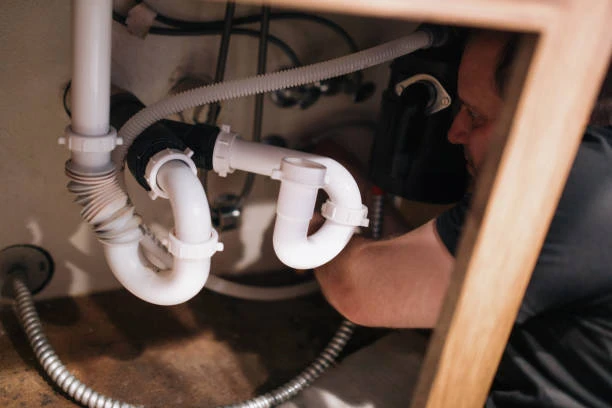
What Defines Quality Plumbing Supply?
1. Material Integrity
Top-quality plumbing products use materials that resist corrosion, pressure, temperature fluctuations, and chemical exposure. For example:
- Copper: Durable and naturally antimicrobial
- PEX: Flexible and resistant to freezing damage
- CPVC: Handles hot water without degrading
- Brass fittings: Corrosion-resistant and long-lasting
2. Industry Certifications
Certified products have been tested for safety and performance. Common marks include:
- NSF International: Ensures drinking water safety
- UPC (Uniform Plumbing Code): Compliance with plumbing regulations
- ASTM (American Society for Testing and Materials): Standards for material strength
3. Manufacturing Standards
Leading suppliers use precise manufacturing processes and quality control to prevent defects and inconsistencies.
4. Compatibility and Fit
High-quality supplies have precise dimensions and threading to ensure leak-proof connections and easy installation.
5. Durability and Warranty
Top products often come with extended warranties, reflecting confidence in their longevity and reliability.
What Sets the Best Plumbing Supply Companies Apart?
A. Wide and Reliable Inventory
The best suppliers maintain stocked inventories of the latest products, from basic pipes to high-tech valves.
B. Technical Support and Expertise
Quality suppliers offer expert advice, installation guides, and troubleshooting assistance.
C. Consistent Quality Control
They vet manufacturers and perform regular product testing to maintain standards.
D. Customer Service and Return Policies
Flexible return policies and responsive customer service help address any issues quickly.
E. Sustainability Initiatives
Leading companies focus on eco-friendly materials and recycling programs.
Common Uses and Industries Served
Quality plumbing supplies are vital in:
- Residential construction and renovations
- Commercial buildings and facilities
- Industrial plants requiring specialized piping
- Agricultural irrigation systems
- Municipal water and sewage networks
Each sector demands specific materials and standards.
How to Choose Quality Plumbing Supplies
1. Verify Certifications
Always ask for product documentation and certification labels.
2. Consider Material Suitability
Match pipe and fittings material to the intended use—hot water, outdoor use, potable water, etc.
3. Check Reviews and References
See what professionals and other customers say about the products and suppliers.
4. Evaluate Supplier Reputation
Buy from established suppliers known for quality and reliability.
5. Assess Warranty Terms
Longer and more comprehensive warranties indicate better product confidence.
Installation Tips for Quality Plumbing
- Use recommended tools and follow manufacturer instructions.
- Avoid forcing fittings or overtightening connections.
- Inspect products upon delivery for damage or defects.
- Conduct pressure testing after installation.
- Regularly maintain systems to prolong lifespan.
Quality Plumbing Supply vs. Budget Alternatives: A Quick Comparison
| Aspect | Quality Plumbing Supply | Budget Alternatives |
|---|---|---|
| Material Longevity | High, resistant to corrosion and wear | Lower, prone to damage and leaks |
| Certification | Certified and tested | Often uncertified or uncertified |
| Warranty | Extended, reliable | Limited or no warranty |
| Performance | Consistent, meets industry standards | Variable, may fail under stress |
| Cost | Higher upfront investment | Lower initial cost, higher risk |
Investing in quality plumbing supply saves money and hassle in the long run.
Summary: Why Quality Matters in Plumbing Supply
Quality plumbing supply ensures safety, durability, and peace of mind. It reduces risks of leaks, water damage, and costly repairs. By choosing certified products from reputable suppliers and following proper installation techniques, you build plumbing systems that last decades.
Whether upgrading a home or managing commercial projects, prioritizing quality plumbing supplies protects your investment and enhances water system performance.