
1. Introduction: The Essential Role of Reinforced Braid Hose
Reinforced braid hoses play a pivotal role in a wide variety of fluid transfer systems. Designed to handle pressure and ensure durability, these hoses are used across residential, commercial, and industrial sectors. With their unique construction, which includes a braided layer for added strength, they offer reliability where standard hoses might fail. This article explores the core functions of reinforced braid hoses, their structure, applications, and why they are an integral part of modern fluid systems. Whether you’re a professional contractor or an informed buyer, understanding the role of reinforced braid hoses helps in selecting the right product for your needs.
2. Frequently Asked Questions (FAQ)
Q1: What is a reinforced braid hose used for?
A reinforced braid hose is used to transport fluids under moderate to high pressure in plumbing, automotive, chemical, and industrial systems.
Q2: What materials are commonly used in reinforced braid hoses?
They are usually made from PVC, rubber, or silicone with a braided layer of polyester, nylon, or stainless steel.
Q3: How does the braid layer enhance hose performance?
The braid provides structural support, preventing the hose from expanding or bursting under pressure, and it increases overall durability.
Q4: Are reinforced braid hoses suitable for hot water?
Yes, many reinforced hoses are designed to handle a range of temperatures, including hot water applications, especially when made with heat-resistant materials.
Q5: How do I choose the right reinforced braid hose for my application?
Consider factors such as internal diameter, pressure rating, temperature resistance, chemical compatibility, and flexibility based on the system requirements.
3. Definition and Key Features of Reinforced Braid Hose
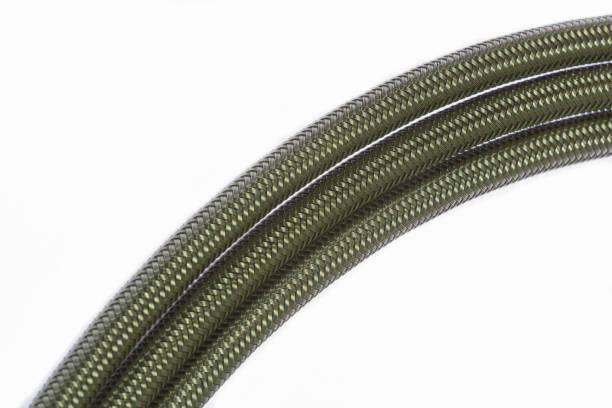
A reinforced braid hose is a flexible conduit used for transferring liquids or gases. It is built with an inner core that carries the fluid, surrounded by a braided layer—typically made of polyester, stainless steel, or other strong fibers—which reinforces the hose structure. The outer layer serves as a protective shield against environmental damage, abrasion, and UV exposure.
Some key features include:
- High Pressure Resistance: The braided reinforcement allows the hose to operate under elevated pressures.
- Flexibility: Despite their strength, these hoses remain flexible and easy to handle.
- Temperature Tolerance: They can withstand both hot and cold fluids, depending on the core material.
- Corrosion Resistance: Many reinforced hoses resist corrosion, making them suitable for aggressive environments.
- Durability: The combination of layered construction ensures a long service life, even in challenging conditions.
4. Common Applications and Industry Use
Reinforced braid hoses are highly versatile and find usage in numerous sectors due to their adaptability and strength.
- Plumbing and Water Systems
They are widely used in residential and commercial plumbing for connections to sinks, toilets, water heaters, and dishwashers. Their pressure resistance makes them ideal for high-demand water delivery systems. - Automotive Industry
In automotive applications, these hoses manage fuel, oil, and coolant transfers. Their ability to withstand vibration and heat is crucial in engine compartments. - Food and Beverage Sector
When made from food-grade materials, reinforced hoses are used in the processing of dairy, beer, juice, and water. The smooth inner surface helps maintain hygiene and reduces flow resistance. - Chemical Industry
Due to their chemical resistance, they are chosen for transferring acids, solvents, and other hazardous liquids in controlled environments. - Irrigation and Agriculture
Farmers use these hoses in drip irrigation systems and for transporting fertilizers or water under pressure across large distances. - HVAC and Industrial Cooling
Reinforced hoses help in the transfer of coolants and refrigerants in heating, ventilation, and cooling systems, offering flexibility and resistance to temperature extremes.
5. How the Reinforced Structure Enhances Function
The braided structure of the hose plays a vital role in its performance. Here's how it works:
- Pressure Distribution: The braid absorbs and distributes internal pressure evenly, preventing localized weaknesses.
- Burst Protection: Without reinforcement, hoses might balloon and eventually rupture under high pressure. The braid layer provides a restraint mechanism that preserves the hose’s shape and integrity.
- Shape Retention: Reinforced hoses resist kinking and collapse, maintaining optimal flow rates and performance.
- Abrasion Shield: The outer braided layer also acts as a protective barrier against sharp edges, dragging, or mechanical wear.
This construction allows reinforced braid hoses to function reliably in systems that demand flexibility and endurance at the same time.
6. Choosing the Right Reinforced Braid Hose
Selecting the appropriate hose requires considering the application details:
- Fluid Type: Some materials are compatible only with water, while others resist oils, acids, or fuel.
- Pressure Rating: The hose should match or exceed the operating pressure of the system.
- Temperature Range: Ensure that the hose material suits the temperature conditions of the fluid.
- Hose Diameter: Choose the correct internal diameter to ensure smooth flow without bottlenecks.
- Certifications: For food, medical, or industrial use, always look for hoses that meet relevant certifications like FDA, RoHS, or ISO standards.
By evaluating these parameters, users can ensure safety, efficiency, and longevity in their system.
7. Installation and Maintenance Guidelines
Even the best hose can fail if improperly installed or maintained. Here are a few helpful tips:
- Avoid Sharp Bends: Install with smooth curves to prevent internal stress and kinking.
- Secure Properly: Use suitable clamps or fittings that match the hose material and diameter.
- Check for Wear: Regularly inspect hoses for signs of wear, cracking, or leaks.
- Flush After Use: When used in food or chemical applications, rinse the hose thoroughly after each use.
- Store Correctly: Keep hoses in a cool, dry area away from direct sunlight and heavy objects that might deform the shape.
Following these practices helps maintain the integrity and safety of the hose throughout its service life.
8. Conclusion
Reinforced braid hoses serve a critical role in fluid and gas transfer systems across multiple industries. Their combination of flexibility, pressure resistance, and durability makes them a dependable solution for both domestic and industrial applications. Whether it's for plumbing, agriculture, automotive, or chemical use, choosing the right reinforced hose ensures reliable performance and safety. By understanding their structure, function, and maintenance requirements, users can make informed decisions that lead to long-term efficiency and cost savings. Reinforced braid hoses, though often overlooked, are a vital component in the smooth operation of countless systems.