
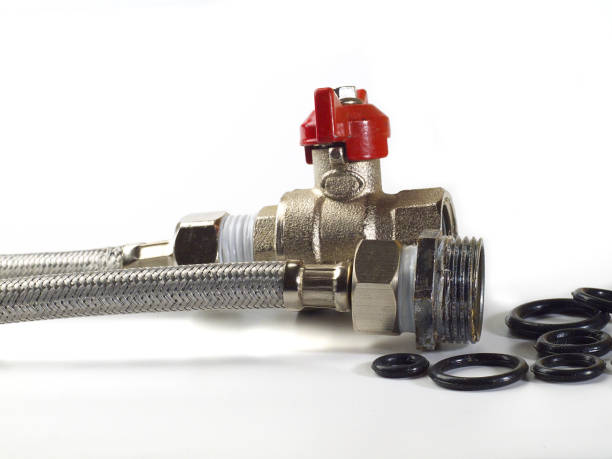
1. Introduction: Why Reinforced Braid Hose Has Become an Industry Essential
Industries across the globe—ranging from manufacturing and automotive to food processing and healthcare—depend heavily on components that ensure reliable fluid or gas transfer. One such essential component is the reinforced braid hose. Designed to combine flexibility with strength, this type of hose has become an integral part of many industrial systems. Thanks to its layered construction and superior durability, reinforced braid hoses support high-pressure applications, provide secure connections, and help companies maintain safety and efficiency.
2. Frequently Asked Questions (FAQ)
1. Which industries most commonly use reinforced braid hoses?
Industries such as automotive, food and beverage, construction, chemical manufacturing, and medical sectors use reinforced braid hoses for transporting liquids, gases, or chemicals under controlled conditions.
2. What are reinforced braid hoses made of?
Typically, they consist of an inner tube made from rubber, PVC, or silicone, surrounded by a braided layer made from stainless steel, nylon, or polyester. This construction boosts pressure resistance and durability.
3. Are reinforced braid hoses safe for food and beverage applications?
Yes, food-grade versions are manufactured using FDA-compliant materials and are designed to withstand cleaning processes, temperature shifts, and pressure variations in food production lines.
4. Can reinforced braid hoses handle chemicals?
Yes, depending on the hose material, they can be used for chemical transport in laboratories or industrial settings. It is important to choose the correct material based on the chemical being handled.
5. How are reinforced braid hoses installed in industrial systems?
They are usually connected using compatible fittings and clamps. Their flexible yet strong structure makes installation easier in tight or high-movement environments.
3. What Is a Reinforced Braid Hose? Definition and Key Characteristics
A reinforced braid hose is a flexible tubing system that incorporates one or more braided layers for additional mechanical strength.
Here are the key features of a reinforced braid hose:
- High Pressure Resistance: The braided reinforcement distributes pressure evenly, preventing bulging or bursting.
- Flexibility: Despite being reinforced, these hoses remain flexible enough to fit complex systems and routing.
- Chemical and Temperature Resistance: Depending on the material used, these hoses can handle a wide range of temperatures and chemicals.
- Long Lifespan: The braided structure reduces wear, even under high-use conditions, resulting in lower maintenance.
- Wide Compatibility: They are available in many sizes and configurations, making them adaptable for numerous industrial uses.
These features make reinforced braid hoses ideal for both static and dynamic systems across a variety of industries.
4. Industrial Applications and Sectors Using Reinforced Braid Hose
Manufacturing and Automation
In modern manufacturing plants, machinery requires dependable tubing for cooling systems, hydraulic operations, and air transfer.
Automotive and Transportation
Their ability to handle vibration, heat, and fluid pressure makes them essential in both personal vehicles and heavy-duty commercial trucks.
Food and Beverage Industry
These hoses withstand frequent cleaning and high-flow pressure while maintaining hygiene standards.
Chemical and Pharmaceutical Plants
These sectors handle volatile liquids and need safe, leak-proof transfer systems. Reinforced braid hoses resist aggressive chemicals, solvents, and even gases like nitrogen or oxygen, depending on the hose composition.
Construction and Building Systems
Construction equipment often relies on hoses for hydraulic movement, water delivery, or fuel transport.
Medical and Laboratory Use
Precision in fluid transport is critical in labs and healthcare facilities. Braided hoses offer kink resistance and reliable flow for applications like gas transfer, lab water lines, and autoclave equipment.
Each of these industries values the reinforced braid hose for its unique blend of strength, reliability, and adaptability.
5. Industry-Specific Benefits of Using Reinforced Braid Hose
- In Food & Beverage: These hoses are smooth on the inside for easy cleaning, non-toxic, and resistant to fat and oil.
- In Automotive: Their heat resistance and vibration tolerance increase safety and system longevity.
- In Manufacturing: High burst strength supports operations that demand continuous flow and pressure.
- In Construction: Tough outer layers help them endure rough handling and outdoor conditions.
- In Laboratories: The transparent versions allow easy inspection of fluid flow and quick leak detection.
No matter the sector, the end goal is the same—maintain consistent, safe, and clean transport of fluids or gases with minimal risk of system failure.
6. Selecting the Right Reinforced Braid Hose for Your Industry
Before selecting a hose, it’s important to evaluate the following:
- Fluid or Gas Type: Ensure compatibility with the hose’s inner tube material.
- Operating Pressure: Check both maximum working pressure and burst pressure ratings.
- Temperature Range: Some hoses work in sub-zero temperatures, while others handle boiling fluids.
- Size and Fittings: Match the inner and outer diameters to your system requirements.
- Flexibility Needs: For systems with movement or vibration, choose more flexible materials like nylon or silicone.
Consulting technical data sheets and supplier recommendations ensures you choose a hose suited to your operating environment.
7. Maintenance and Safety Guidelines for Industrial Use
To extend the life of reinforced braid hoses and ensure safe operation:
- Inspect Regularly: Look for cracks, fraying, or corrosion, especially at connection points.
- Replace When Needed: Even durable hoses degrade. Don’t delay replacement if signs of aging appear.
- Install Properly: Use compatible fittings and avoid twisting or over-bending the hose.
- Store Correctly: Keep hoses away from direct sunlight and corrosive chemicals when not in use.
Proper maintenance reduces downtime, minimizes risk, and maximizes operational efficiency in industrial environments.
8. Conclusion: Reinforced Braid Hose as a Trusted Industrial Component
Reinforced braid hoses have earned their place in a wide range of industries by offering performance, safety, and adaptability. From automotive to food processing, and from chemical plants to construction sites, these hoses meet the unique demands of modern industrial systems. They handle high pressure, resist wear, and remain flexible—qualities that make them invaluable in environments where efficiency and reliability are non-negotiable.
If your industry involves moving liquids, gases, or chemicals, investing in a well-chosen reinforced braid hose is not just practical—it’s essential for long-term success and safety.